How to Assist With Passive Range of Motion Exercises Safely and Correctly
How to Assist With Passive Range of Motion Exercises Safely and Correctly

Photo by Age Cymru on Unsplash
Passive range of motion exercises help move a person’s joints when they cannot move those joints independently. The goal is to maintain flexibility, support comfort, and help prevent stiffness from immobility.
To do them safely, each movement must be controlled, supported, and limited to the person’s tolerance. Proper setup matters just as much as the exercises themselves.
What passive range of motion means
Passive range of motion, often called PROM, means one person moves another person’s joints through their normal motion. The person receiving care stays relaxed while the caregiver supports the limb and guides the movement.
This differs from active range of motion, where the person moves independently.
Before you begin
Start with basic safety and comfort steps:
- Wash your hands before beginning.
- Raise the bed to a comfortable working height.
- Lower the head of the bed as much as the person can tolerate.
- Position the person on their back in good body alignment.
- Make sure the person is comfortable before starting.
Core guidelines for passive range of motion exercises
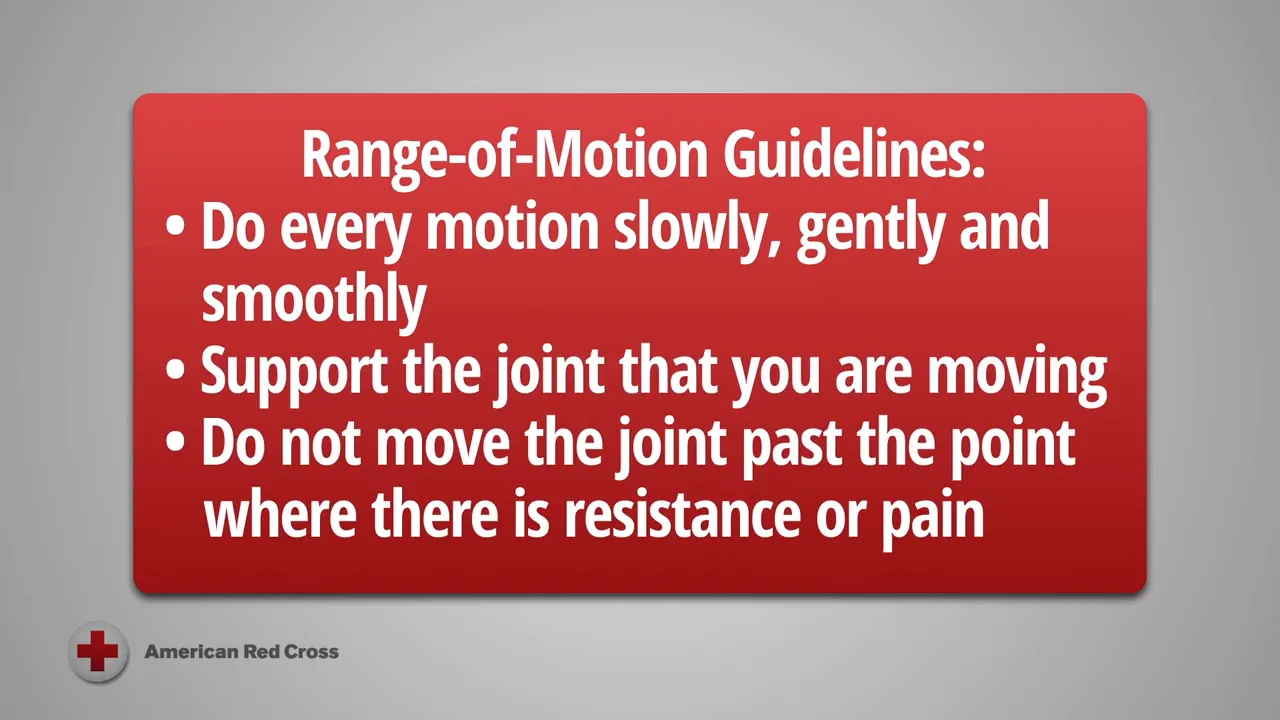
These rules should be followed throughout the routine:
- Exercise only the joints listed on the care plan.
- Begin at the top of the body and work downward toward the toes.
- Complete the exercises on one side first, then repeat on the other side.
- Move slowly, gently, and smoothly.
- Support the joint being moved.
- Do not move past resistance or pain.
If the person reports pain, tightness beyond normal stretch, or you feel resistance, stop that motion.
How many repetitions to do
Each motion in this routine is repeated five times. Keep the pace even and avoid quick or jerky movements.
Shoulder passive range of motion exercises
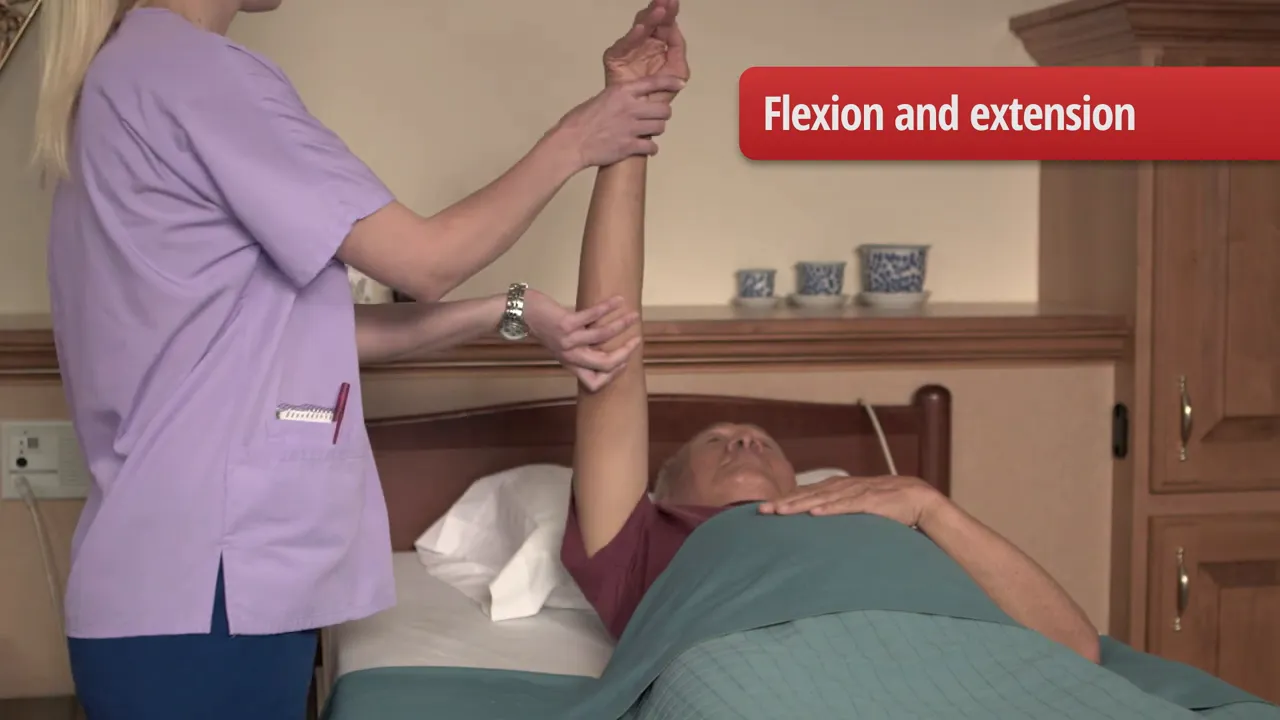
Support the wrist with one hand and the elbow with the other.
1. Shoulder flexion and extension
With the arm at the side and the palm down, raise the arm straight upward, bring it alongside the ear, then return it to the side.
2. Shoulder abduction and adduction
Move the arm out away from the body, then return it to the person’s side.
3. Horizontal shoulder adduction and abduction
Hold the arm away from the body with the palm up. Bend the elbow and move the arm across the chest until the hand reaches the opposite shoulder. Then straighten the elbow and return the arm to the starting position.
4. Shoulder rotation
Bend the arm and position the elbow level with the shoulder. Move the hand upward toward the head and then downward.
Elbow passive range of motion exercises
1. Elbow flexion and extension
With the arm at the side and the palm up, bend the elbow so the hand moves toward the same-side shoulder. Then straighten the arm back toward the hip.
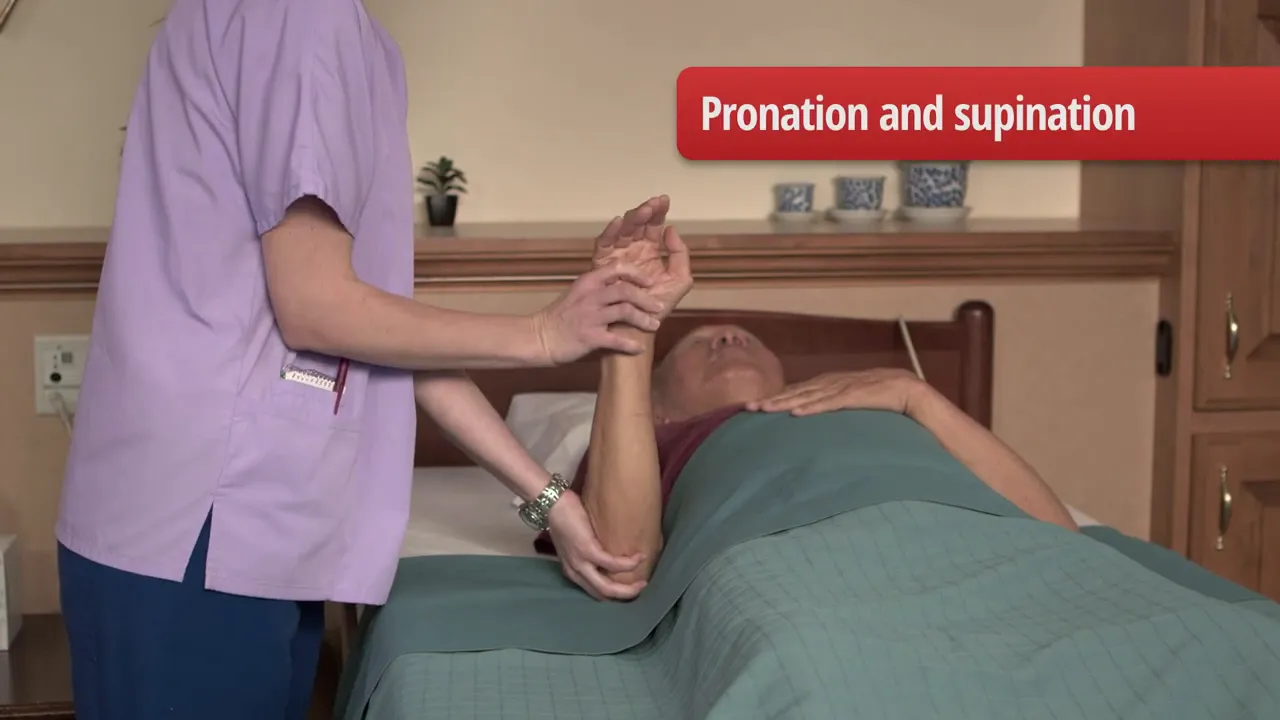
2. Forearm pronation and supination
Bend the elbow so the forearm is at a right angle to the bed. Turn the hand so the palm faces toward the foot of the bed, then turn it so the palm faces toward the head of the bed.
Wrist passive range of motion exercises
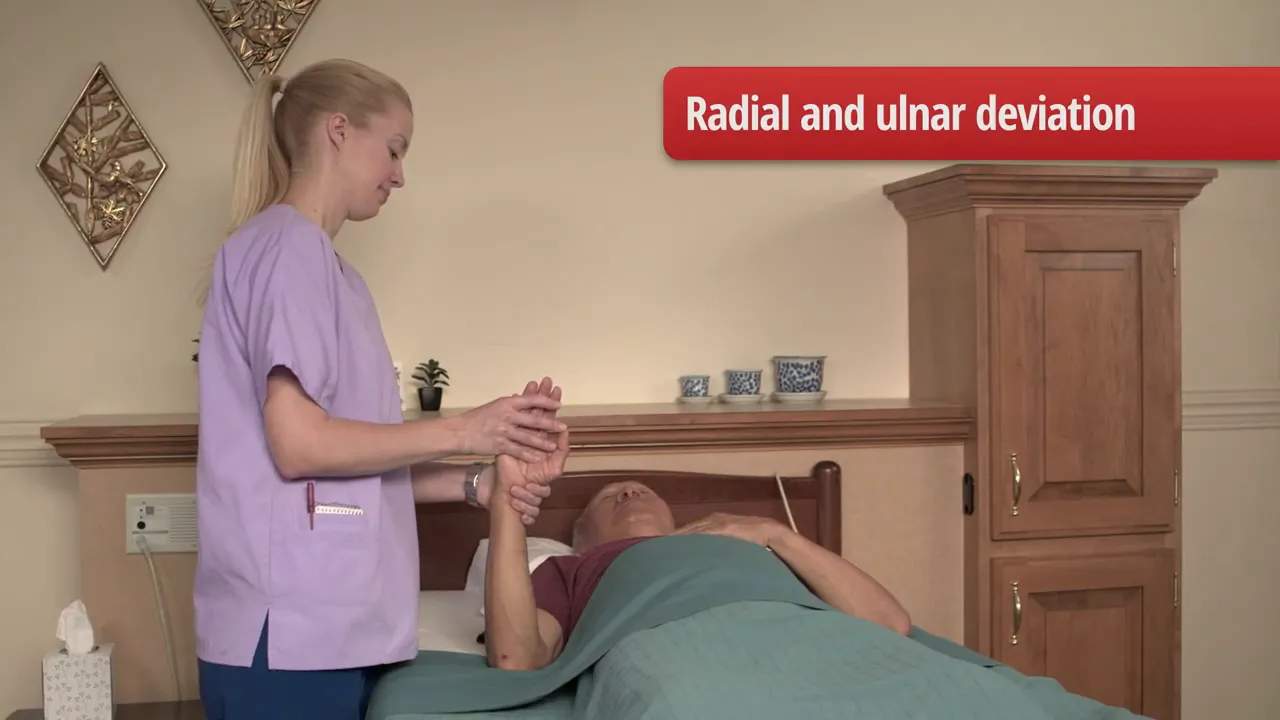
Hold the wrist with one hand and the fingers with the other while keeping the forearm supported.
1. Wrist flexion and extension
With the forearm raised and the elbow bent to a right angle, bend the wrist forward, then straighten it backward.
2. Radial and ulnar deviation
While the hand remains raised off the mattress, tilt the hand toward the thumb side, then toward the little finger side.
Finger and thumb passive range of motion exercises
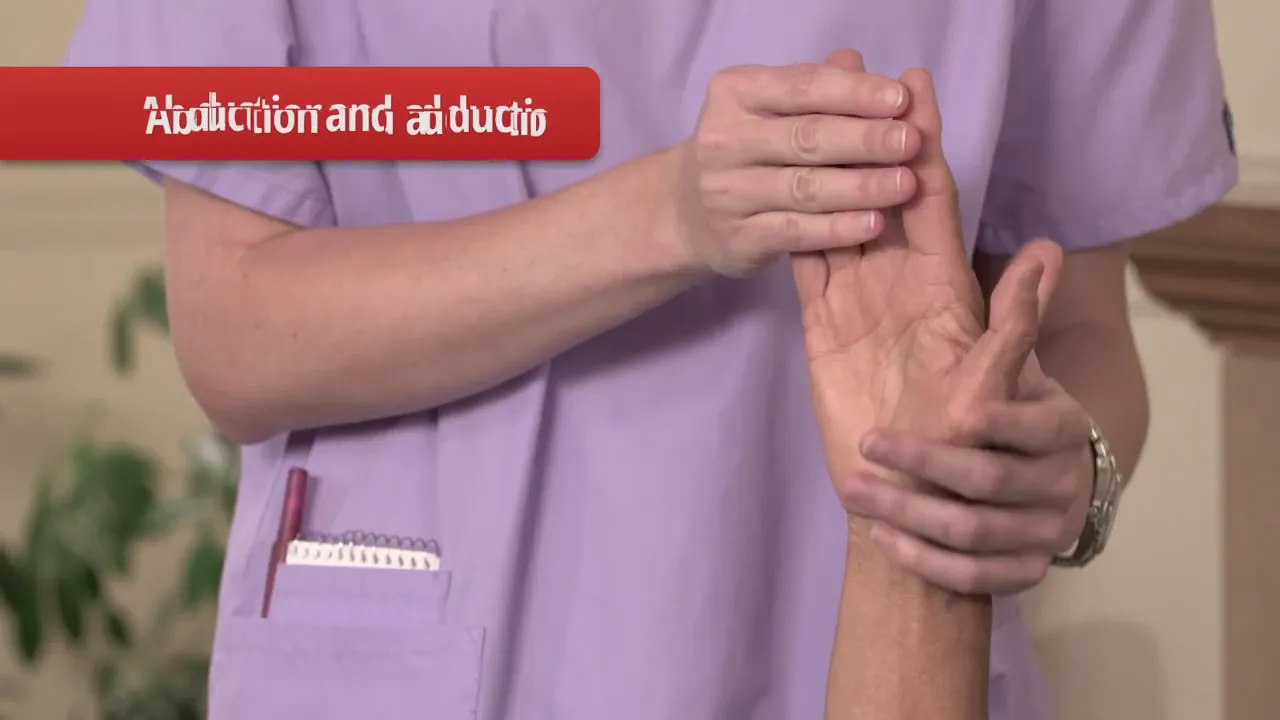
Raise the hand off the bed. Support the wrist with one hand and control the fingers with the other.
1. Finger flexion and extension
Bend each finger one at a time so it moves toward the palm. Then extend each finger again.
2. Finger abduction and adduction
Spread the fingers apart one at a time, then bring them back together. The sequence may be done by stabilizing grouped fingers and moving one finger away and back before moving to the next.
3. Thumb flexion and extension
Bend the thumb inward toward the palm, then return it to its natural position.
4. Thumb opposition
Touch the thumb to each fingertip.
Hip and knee passive range of motion exercises
Place one hand under the knee and the other under the ankle to fully support the leg.
1. Hip and knee flexion and extension
Bend the knee and bring it upward toward the head, flexing both the knee and hip. Then straighten the leg and lower it back to the bed.
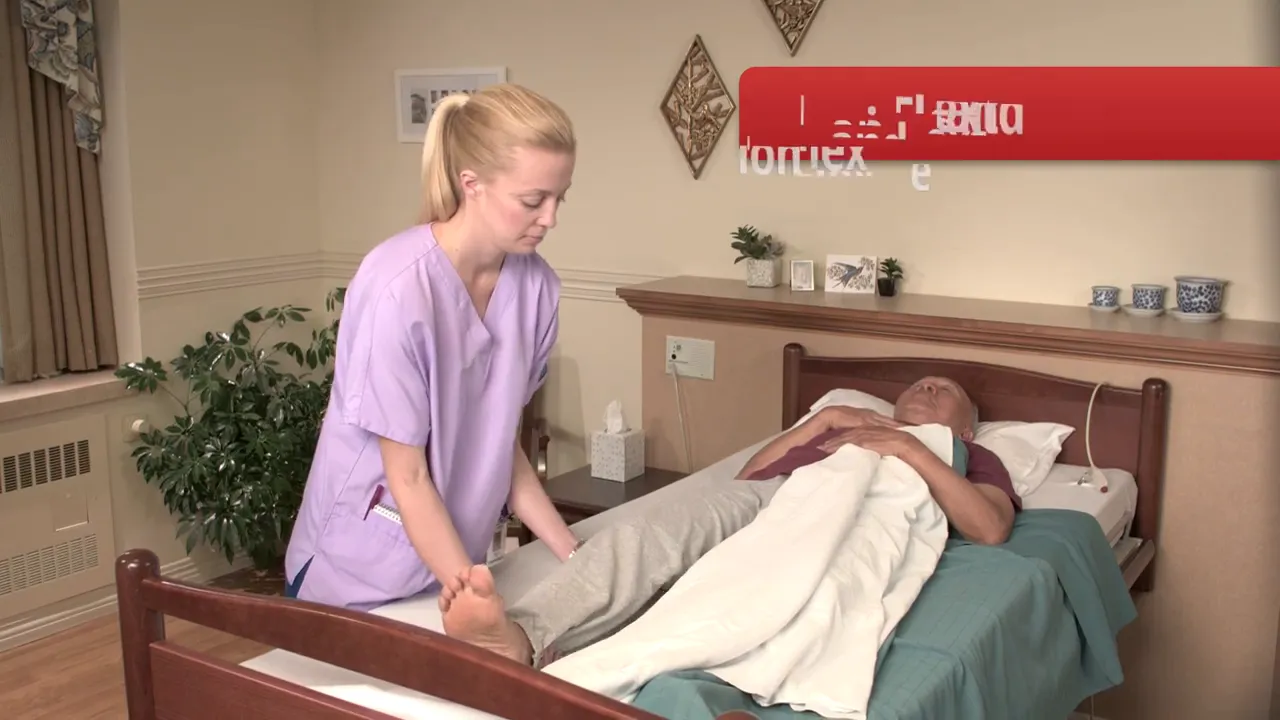
2. Hip abduction and adduction
Move the straight leg away from the body, then return it to the midline.
3. Hip rotation
Keeping the leg straight, turn it inward and then outward.
Ankle passive range of motion exercises
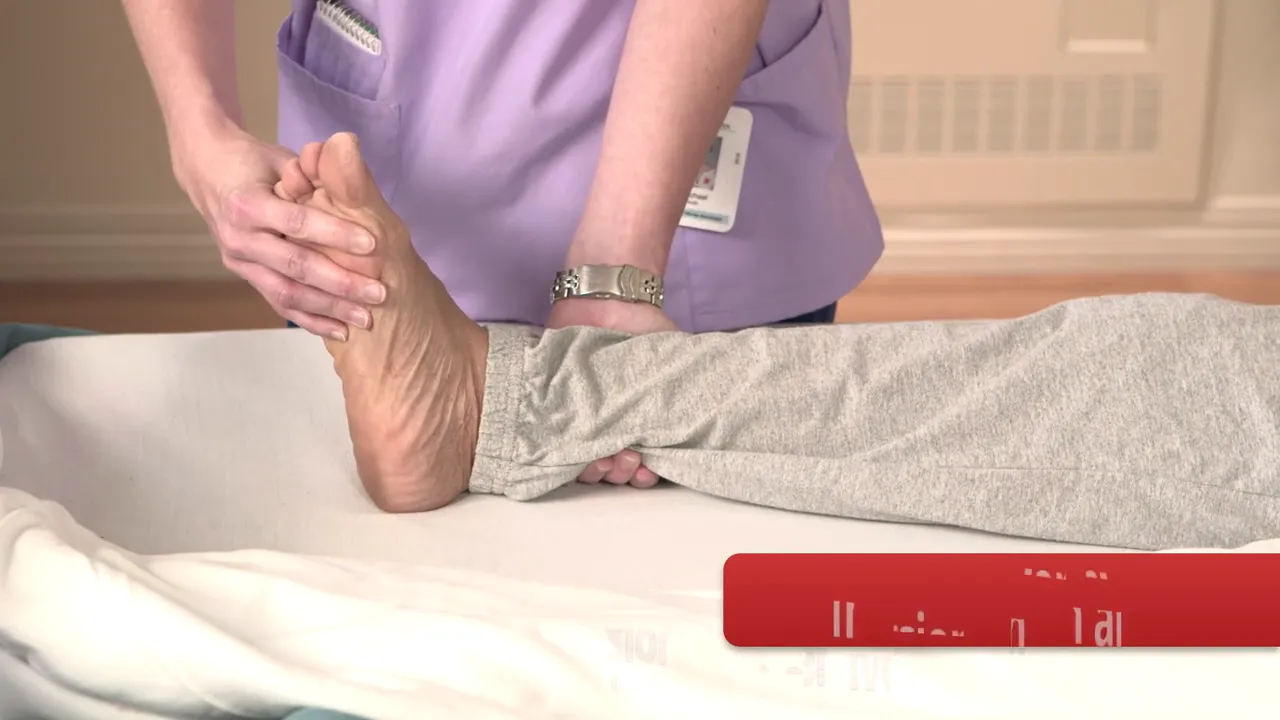
Support the ankle with one hand and grasp the foot with the other.
1. Dorsiflexion and plantar flexion
Push the foot backward toward the head, then forward toward the bed.
2. Inversion and eversion
Turn the foot inward and then outward.
Toe passive range of motion exercises
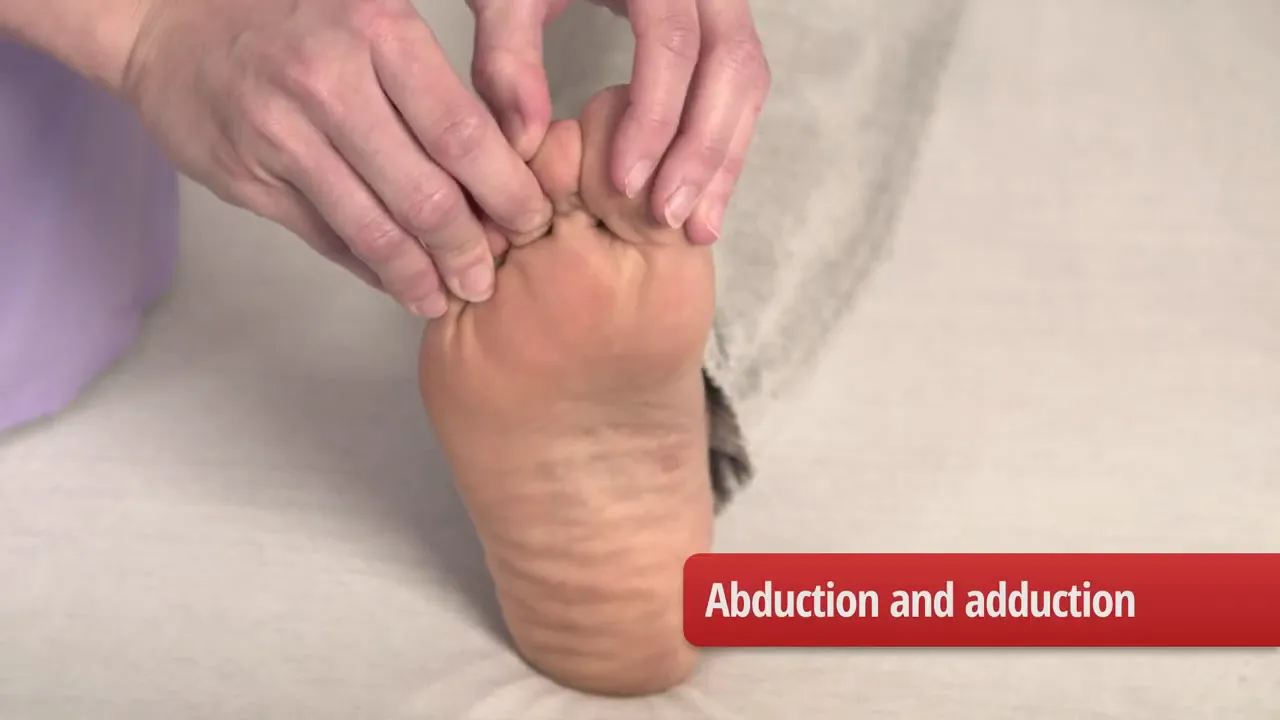
Support the foot with one hand and control the toes with the other.
1. Toe flexion and extension
Curl the toes downward, then straighten them.
2. Toe abduction and adduction
Starting with the big toe and the next toe together, move each toe away from the group and back one at a time, then reverse the sequence.
Why the order matters
This routine follows a clear pattern:
- Start at the shoulder
- Move to the elbow
- Then the wrist
- Then the fingers and thumb
- Continue to the hip and knee
- Then the ankle
- Finish with the toes
Working from top to bottom helps keep the routine organized and consistent.
Common mistakes to avoid
- Moving too fast
- Failing to support the joint
- Forcing movement through pain or resistance
- Skipping positioning and comfort checks
- Exercising joints that are not listed in the care plan
- Using rough or jerky motion
What to do when you finish
After completing all motions on one side, repeat them in the same order on the other side.
When the routine is complete:
- Ensure the person’s comfort and safety
- Return them to a comfortable position
- Wash your hands
- Complete any remaining care steps required
Quick passive range of motion checklist
- Hands washed
- Bed at safe working height
- Head of bed lowered as tolerated
- Person supine and aligned
- Only approved joints exercised
- Top-to-bottom order followed
- One side completed before the other
- Each motion repeated five times
- Movements slow and smooth
- Joint supported throughout
- No motion past pain or resistance
- Comfort and safety checked at the end
Key takeaway
Assisting with passive range of motion exercises is not just about moving limbs. It requires proper positioning, full joint support, gentle handling, and close attention to pain or resistance. When done correctly, PROM helps maintain joint mobility and supports safe daily care for people with limited movement.