Oxygen Safety at Home: How to Use, Store, and Travel With Oxygen Safely
Oxygen Safety at Home: How to Use, Store, and Travel With Oxygen Safely

Photo by Mufid Majnun on Unsplash
Oxygen is safe when handled correctly, but it requires specific precautions. The main risk is not that oxygen itself burns or explodes. The danger is that oxygen can make a fire start more easily and burn much hotter and faster.
If you use oxygen at home or in a vehicle, safe setup, storage, and daily habits matter. Small mistakes such as placing oxygen too close to heat, using flammable products nearby, or storing tanks in a closed space can create serious fire and injury risks.
Why oxygen safety matters
Oxygen supports combustion. That means when oxygen is present in higher concentrations, materials can ignite more easily and flames can spread more aggressively.
The most important combination to avoid is:
- Oxygen
- Combustible material
- An ignition or heat source
When those three factors come together, fire hazard increases significantly.
What to keep away from oxygen
Oxygen equipment should be kept away from anything that can create heat, flame, or sparks.
Keep oxygen at least 8 feet from flames and heat sources
When using or storing oxygen, keep tanks and oxygen tubing at least 8 feet from open flames and other sources of heat.
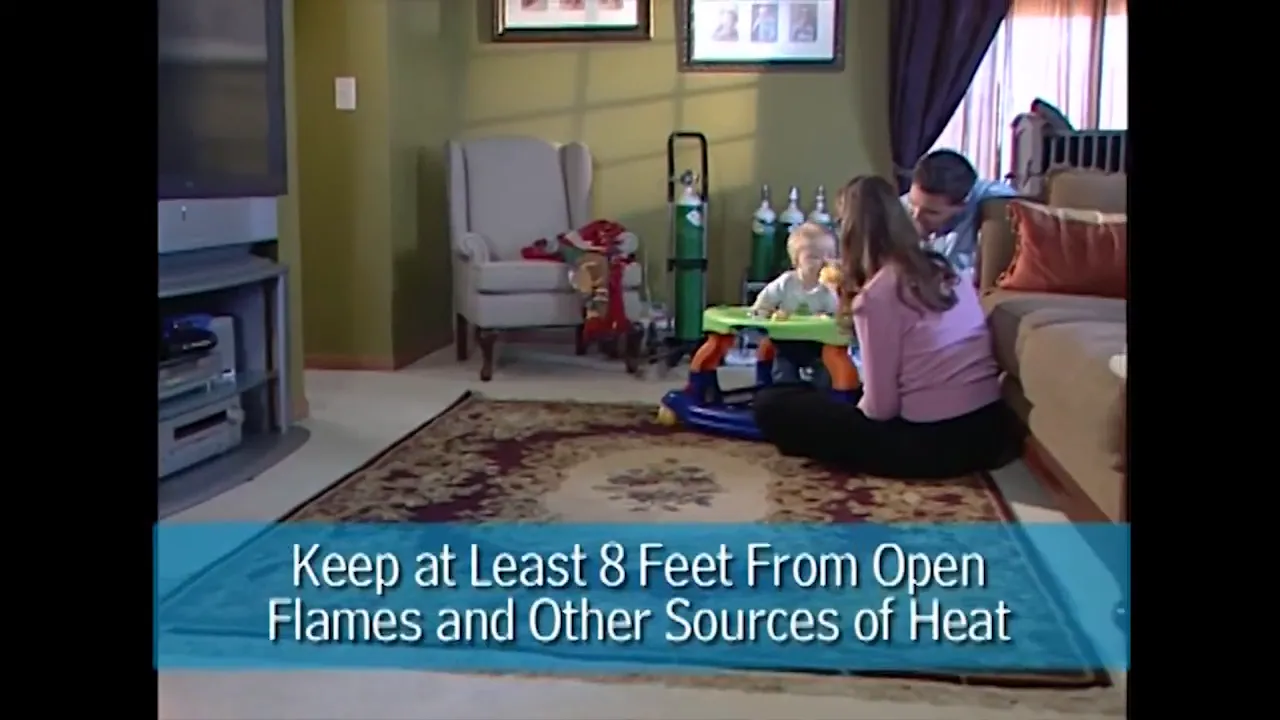
This includes:
- Fireplaces
- Gas flames
- Space heaters
- Electric blankets
- Hair dryers
- Toasters
Even electric appliances can be a problem because they may overheat or spark during use.
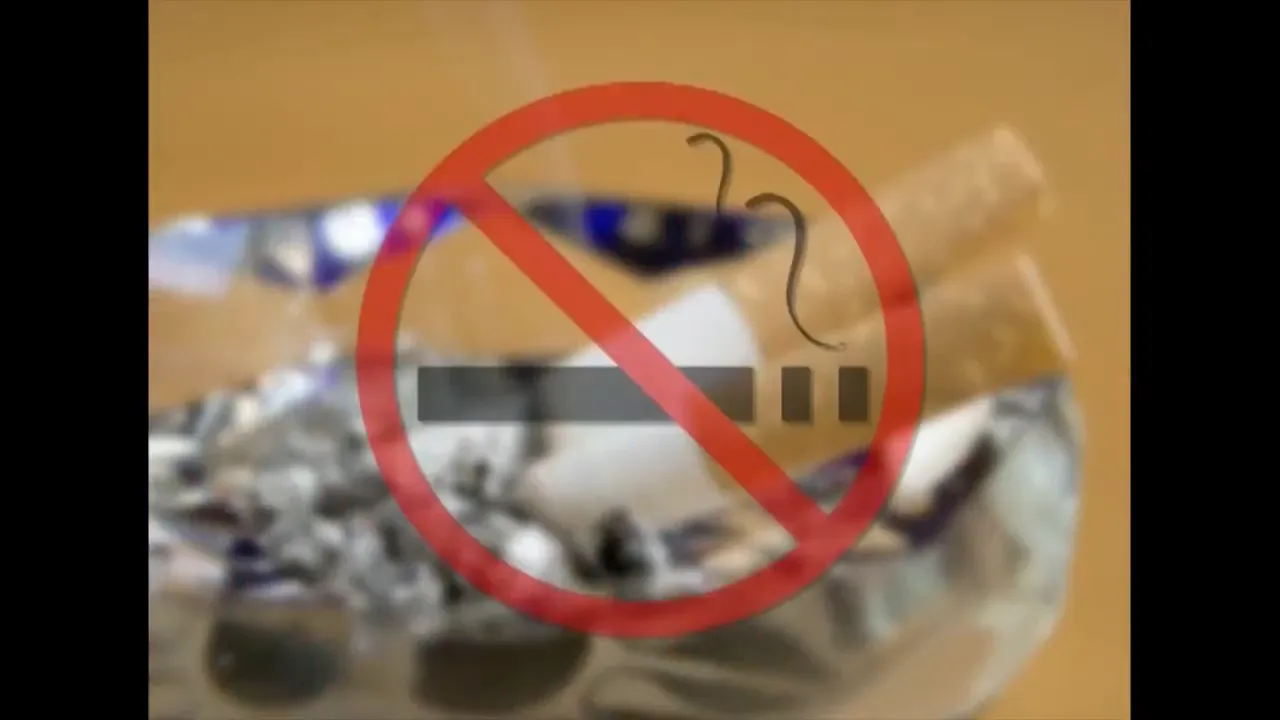
No smoking around oxygen
Never smoke near an oxygen source or its tubing. Do not allow anyone else to smoke nearby either.
This rule applies in the home, in a car, and anywhere oxygen is being used or stored.
Avoid flammable sprays and products
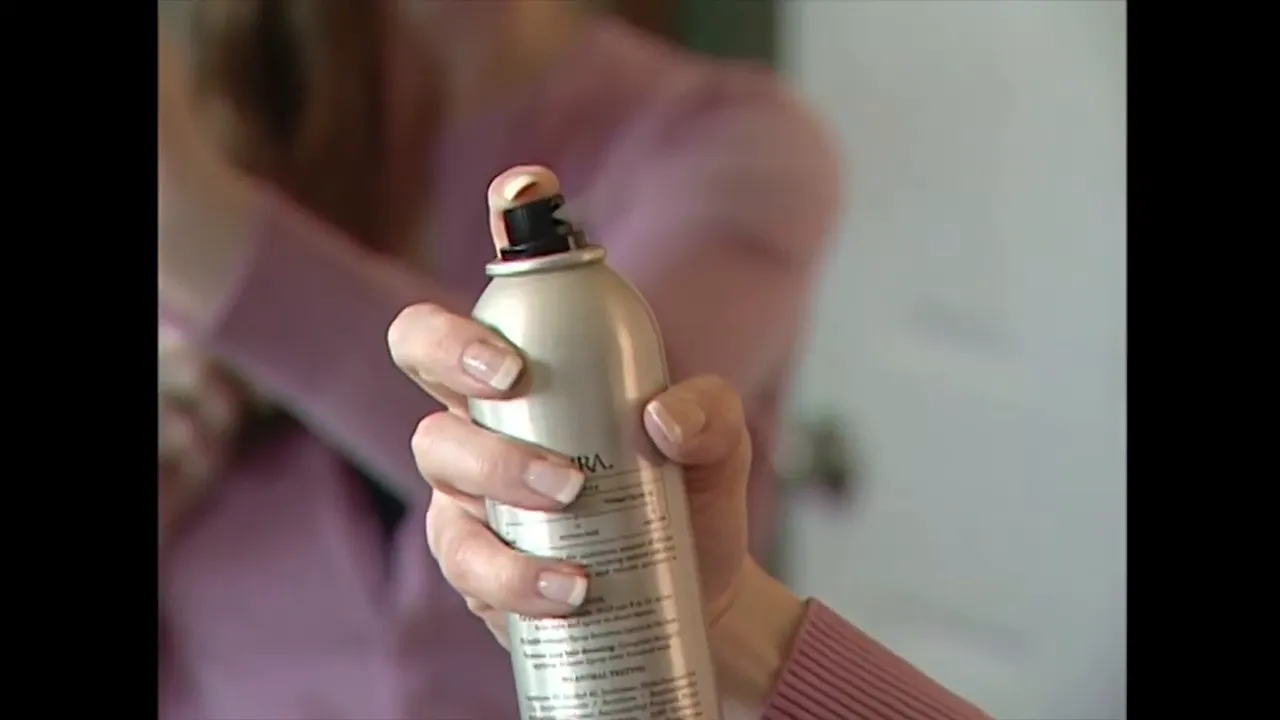
Do not use flammable materials near oxygen. Common household items can become hazardous in an oxygen-rich environment.
Examples include:
- Hair spray
- Aerosol sprays
- Paints
- Paint thinners
Be careful with petroleum and paraffin-based skin products
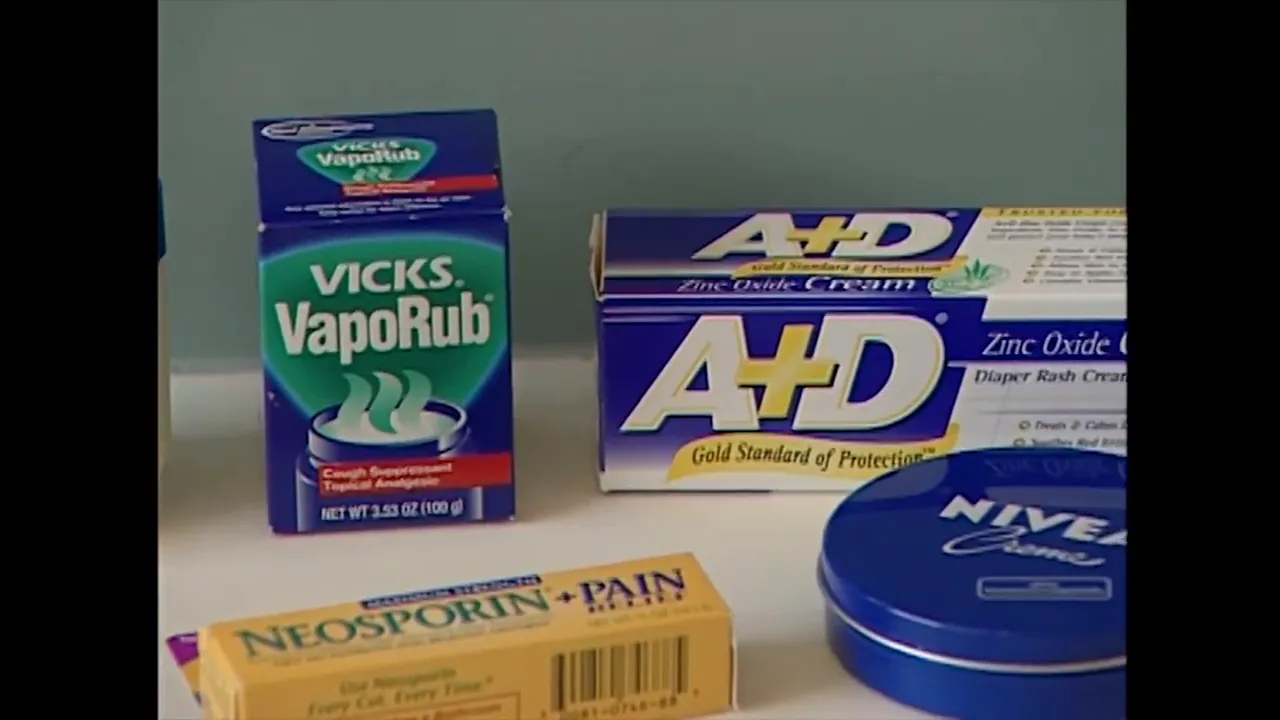
Certain skin products can pose a fire risk around oxygen, especially if a spark is present.
Examples mentioned include:
- Vaseline
- VapoRub
- Petroleum jelly
- A+D ointment
A spark can ignite these products quickly, which raises the risk of severe burns.
How to store oxygen safely at home
Proper storage reduces the risk of oxygen buildup, fire, and tank damage.
Store oxygen in a well-ventilated area
Oxygen tanks and tubing should be kept in areas with good airflow. Oxygen can collect in the surrounding air and concentrate in nearby fabrics such as clothes, blankets, and curtains.
Never store oxygen tanks in a closed area such as a closet.
Secure tanks so they cannot tip over
Whether tanks are full or empty, they should always be secured to prevent tipping.
This is important because oxygen tanks are under high pressure. If a tank is damaged or a valve breaks, the tank can move forcefully and uncontrollably.
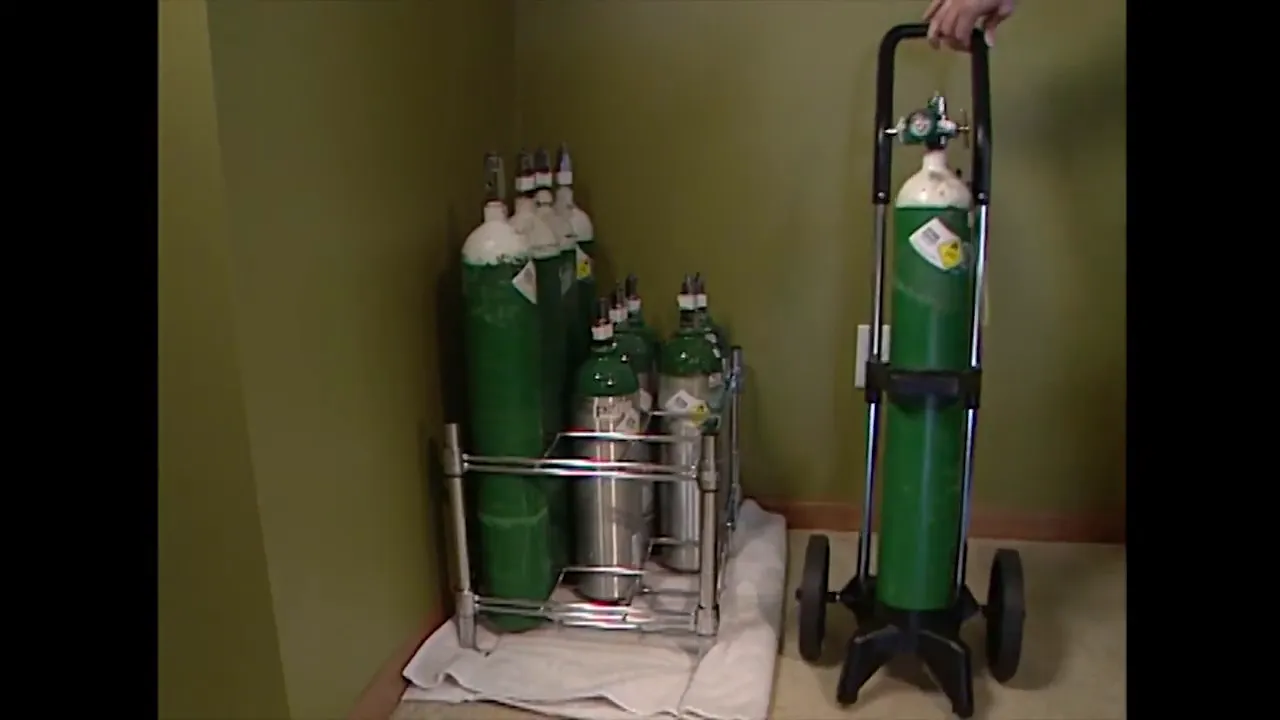
Check tank condition before use
Only use tanks that are in good condition.
Do not use a tank if you notice:
- Dents
- Gouges
- Pits
If a tank appears damaged, it should not be used.
Why oxygen should never be stored in a closet or sealed space
This is a common mistake. A closed space can allow oxygen to accumulate, which increases fire risk. It also places oxygen close to fabric and clutter that can fuel a fire.
Safer storage means:
- Good ventilation
- Stable upright positioning
- Distance from heat and ignition sources
- Clear access in case equipment needs to be moved quickly
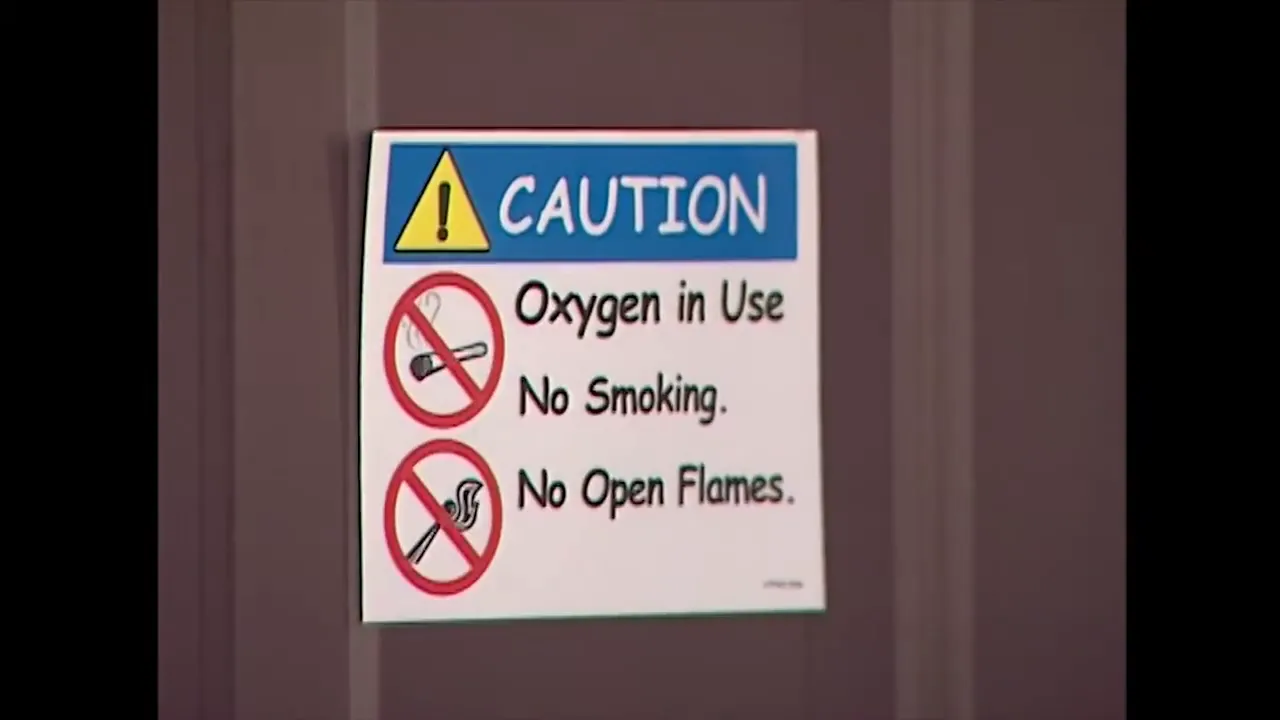
Post clear oxygen warning signs at home
If oxygen is being used in the home, place Oxygen in Use signs at the main entrance.
This helps:
- Firefighters
- Emergency personnel
- Visitors
They need to know oxygen is present so they can avoid smoking, open flames, and unsafe actions.
How to travel safely with oxygen tanks
Traveling with oxygen requires the same level of care as home use.
Where to place oxygen tanks in a car
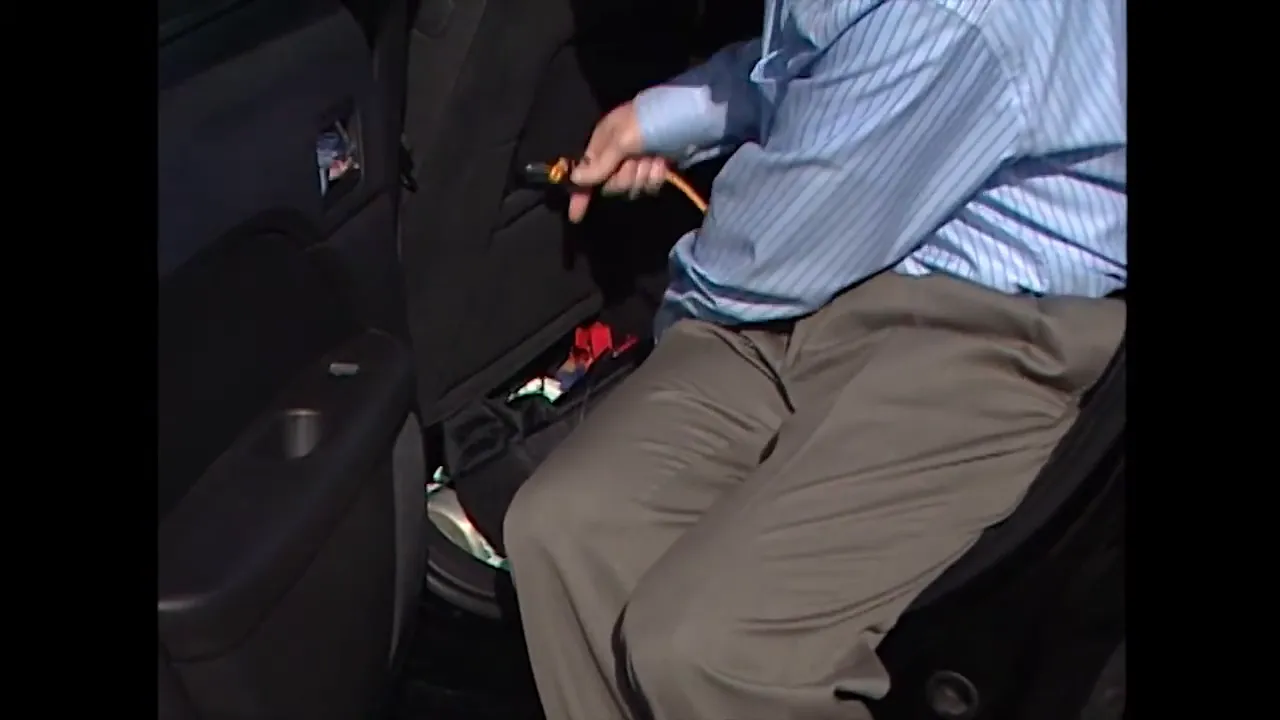
Secure oxygen tanks in the back passenger area of the vehicle. Do not let a tank roll around or bang into other surfaces.
Never keep an oxygen tank in the trunk.
Ventilate the vehicle
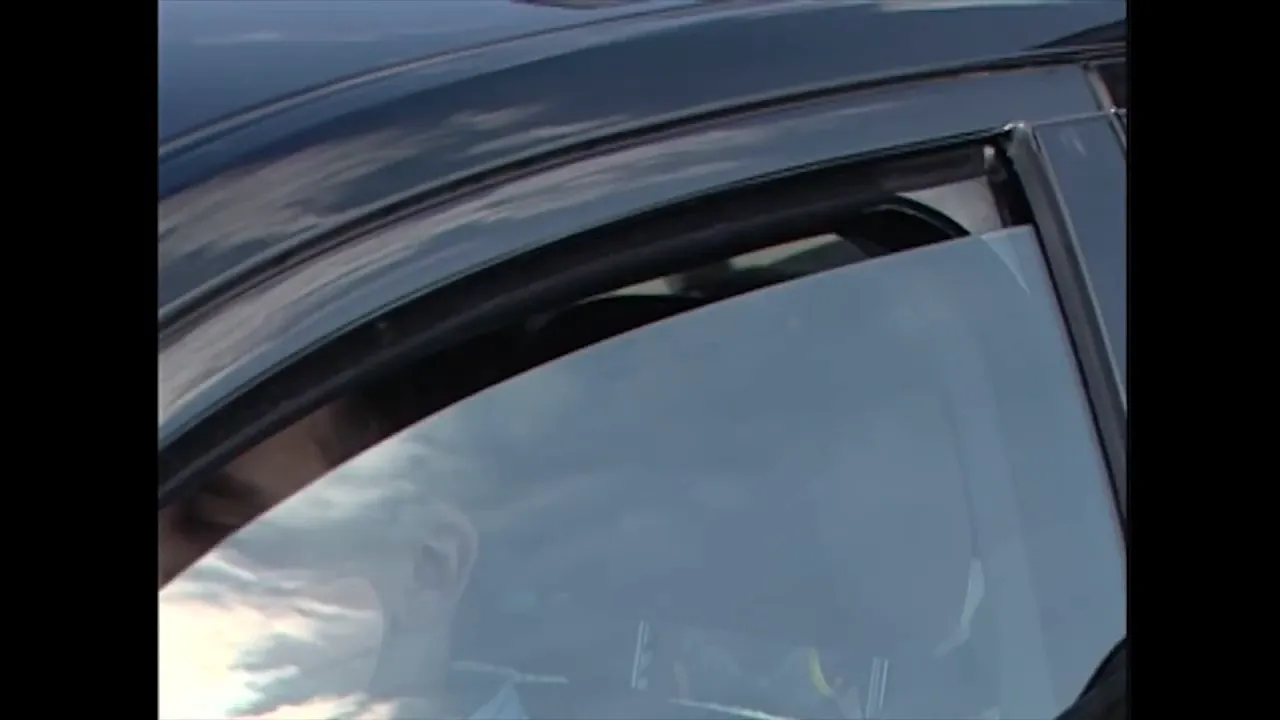
The vehicle should be well ventilated. Leave a small window opening to help prevent oxygen buildup and excess heat inside the car.
Do not smoke in or near the vehicle
Never smoke near an oxygen tank during transport. The same no-smoking rule applies on the road as it does at home.
Remove tanks promptly after arrival
When you reach your destination, take oxygen tanks out of the vehicle as soon as possible and store them properly.
This helps reduce heat exposure and prevents unsafe storage inside the car.
Common oxygen safety mistakes to avoid
- Placing oxygen tanks or tubing too close to fireplaces or heaters
- Using hair dryers, toasters, electric blankets, or space heaters too close to oxygen
- Allowing smoking anywhere near oxygen equipment
- Using aerosol sprays near oxygen
- Applying petroleum or paraffin-based products around oxygen use
- Storing tanks in closets or other closed areas
- Leaving tanks unsecured so they can tip over
- Transporting tanks in a trunk
- Leaving tanks in a hot vehicle after arrival
- Using a tank that appears dented or damaged
Quick oxygen safety checklist
Use this checklist for daily safety:
- Keep oxygen at least 8 feet from flames and heat
- Keep tanks and tubing away from appliances that may spark or overheat
- Do not smoke near oxygen
- Avoid flammable sprays, paints, and thinners nearby
- Do not use petroleum or paraffin-based products near oxygen
- Store tanks in a well-ventilated area
- Never store tanks in a closet
- Secure all tanks, full or empty
- Check tanks for dents, gouges, or pits
- Post Oxygen in Use signs at the main entrance
- Secure tanks in the back passenger area when traveling
- Leave a car window slightly open for ventilation
- Remove tanks from the vehicle promptly at your destination
Frequently asked questions about oxygen safety
Can oxygen explode?
Oxygen itself does not explode or burn. The safety concern is that it can cause fires to burn faster and hotter.
How far should oxygen be from a fireplace or heater?
Keep oxygen tanks and tubing at least 8 feet from open flames and other heat sources.
Can oxygen tanks be stored in a closet?
No. Tanks should not be stored in closed areas such as closets. They should be kept in a well-ventilated space.
Can you transport oxygen in the trunk of a car?
No. Tanks should be secured in the back passenger area, not the trunk.
Why does a vehicle window need to be slightly open?
A small opening helps prevent oxygen and heat from building up inside the vehicle.
Do empty oxygen tanks still need to be secured?
Yes. Tanks should be secured at all times, whether full or empty, to prevent tipping.
Key takeaway
Safe oxygen use comes down to a few consistent habits: keep oxygen away from heat and flames, avoid smoking and flammable products nearby, store tanks in ventilated spaces, secure them properly, and use the same precautions during travel.
These steps help reduce the risk of fire, injury, and equipment-related accidents at home and on the go.