How to Respond to Agitation and Anxiety in Dementia
How to Respond to Agitation and Anxiety in Dementia

Photo by National Cancer Institute on Unsplash
Agitation and anxiety are common in dementia, and they can make everyday tasks like getting dressed, leaving for appointments, or accepting help much harder. These behaviors are not simply stubbornness or bad attitude. They are often a response to stress, confusion, fear, frustration, or feeling a loss of control.
If someone with dementia becomes irritable, resistive, restless, or upset when you try to help, the way you approach them can either calm the situation or make it worse. Small changes in tone, timing, routine, and environment can make a meaningful difference.
What agitation and anxiety can look like in dementia
Agitation and anxiety do not always look the same. In some people, they appear as physical restlessness. In others, they show up as emotional distress or resistance to care.
- Pacing or trouble sitting still
- Fidgeting
- Irritability
- Fearfulness or nervousness
- Worry
- Refusing help
- Becoming upset during routine tasks
When these feelings build, agitation can escalate into more intense behaviors, including physical aggression such as hitting or biting.
Why dementia can lead to resistance and distress
Agitation and anxiety are often triggered by a mismatch between what the person is experiencing and what others expect from them in the moment.
Common triggers include:
- Loss of control
- Misperceiving a situation as threatening
- Unmet needs
- Difficulty communicating clearly
- Frustration with tasks
- Tension during interactions with family or caregivers
- Changes in normal routine
Another important factor is impaired insight. A person with dementia may not recognize changes in their memory, judgment, or ability. They may genuinely believe they are managing fine and do not need assistance. When someone steps in to help, it can feel intrusive, insulting, or frightening.
How caregiver approach affects agitation
People with dementia often respond strongly to the emotional tone around them. If you sound rushed, frustrated, impatient, or irritated, that tension can be sensed quickly. Even when your words are meant to help, your body language and pace may communicate pressure instead.
This is why approach matters so much. A calmer, slower, more supportive interaction can reduce resistance. A hurried, demanding interaction can increase it.
Key point: how you speak and how you approach the person are central to how they respond.
What to do when someone with dementia resists help
1. Slow down
Rushing is a common trigger. If the person feels pushed, they are more likely to become upset or refuse care.
Build in extra time for tasks like dressing, grooming, or getting ready to leave the house. If an appointment is scheduled too tightly, the pressure can affect both of you.
2. Use a gentle tone
Speak calmly and respectfully. Avoid a sharp tone, raised voice, or language that sounds like a command. Just as important, avoid sounding patronizing.
A calm tone helps reduce the sense of threat and keeps the interaction from turning into a power struggle.
3. Offer support, not control
Instead of taking over immediately, let the person know you are there to help if needed. This preserves dignity and reduces defensiveness.
Supportive language can work better than corrective language. Reassurance often does more than arguing or insisting.
4. Give simple choices
Too many options can be confusing. But no choice at all can feel controlling.
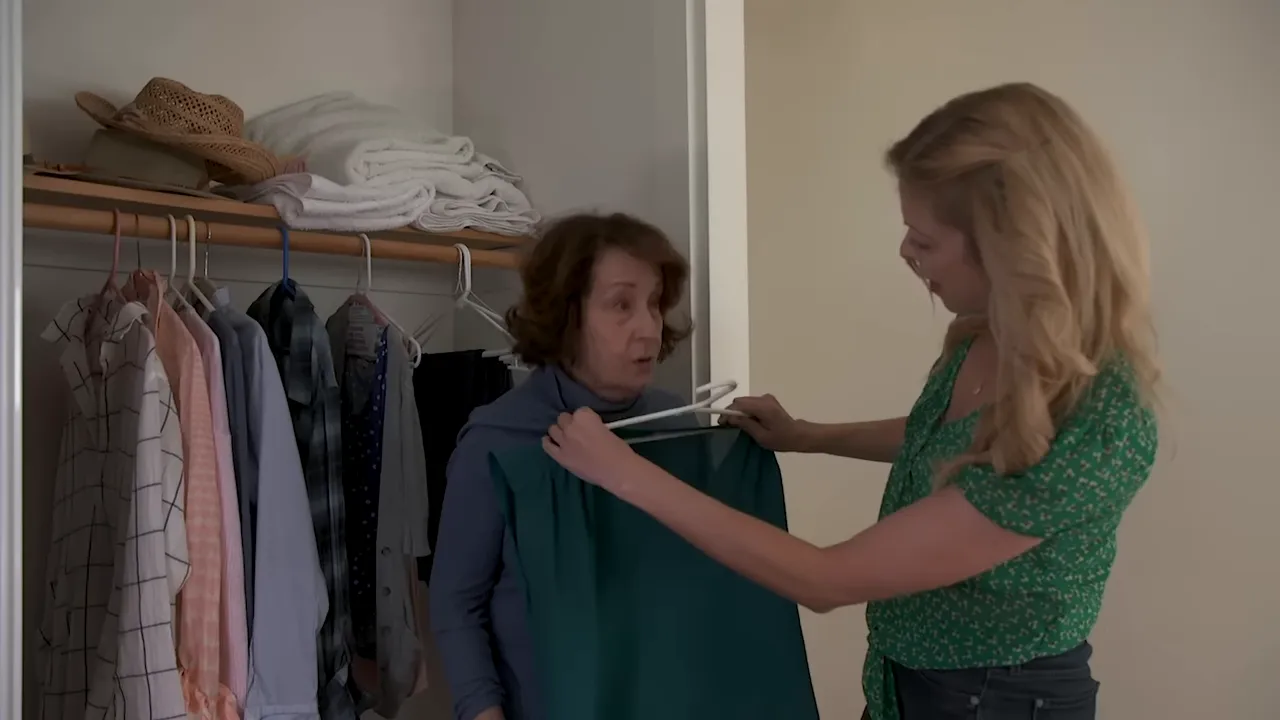
A good middle ground is to offer one or two easy choices, such as two outfits instead of a full closet of clothing. This helps the person stay involved without becoming overwhelmed.
5. Keep body language calm and positive
Your posture, facial expression, and gestures matter. Approach slowly. Use relaxed movements. A gentle touch may help if the person is comfortable with it.
If your body language looks tense or forceful, the person may react as if they are being pressured.
6. Reassure instead of demanding
Direct orders can increase resistance. Reassurance is usually more effective.
Helpful communication often includes:
- Letting the person know you are there to support them
- Acknowledging their feelings
- Speaking in short, calming phrases
- Reducing pressure around the task
A better way to help with dressing
Dressing is a common flashpoint because it combines decision-making, physical coordination, time pressure, and personal independence.
If someone becomes upset while getting dressed, try this approach:
- Approach calmly. Start with a warm greeting and a relaxed tone.
- Offer limited choices. Present two suitable clothing options.
- Respect independence. Encourage the person to do what they can on their own.
- Stay available. Offer help without taking over too quickly.
- Give reassurance. If they become upset, validate and reduce pressure.
- Connect the task to comfort. Focus on feeling comfortable rather than being corrected.
This kind of approach reduces conflict because it supports autonomy while still guiding the task forward.
Plan around natural routines
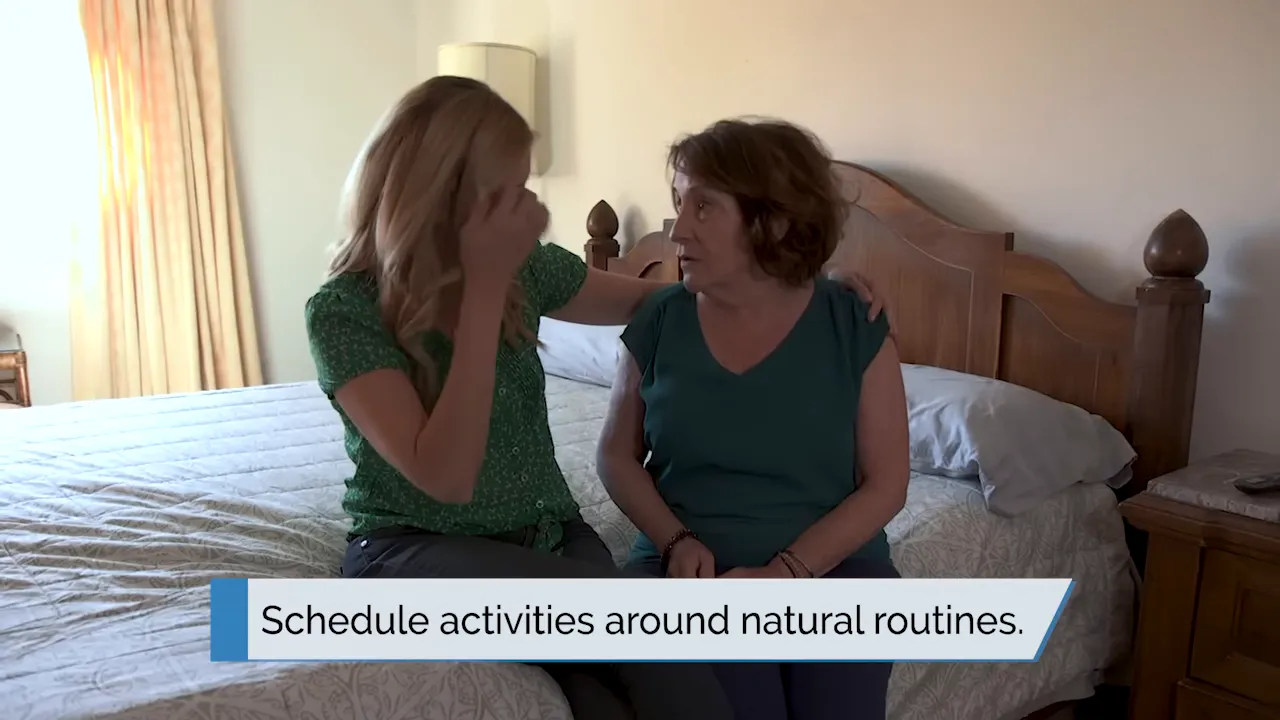
Changes in routine can trigger anxiety and agitation. Whenever possible, schedule activities around the person's usual rhythm rather than forcing them into a schedule that works only for others.
For example, if your loved one tends to wake up slowly or functions better later in the day, afternoon appointments may go more smoothly than early morning ones.
Think about patterns such as:
- Best time of day for dressing
- Best time for appointments
- When the person is usually most calm
- When they are most likely to become tired or irritable
Working with natural routines often prevents problems before they start.
Simplify the environment to reduce confusion
A cluttered or overstimulating environment can add to frustration. Simplifying the setting can make everyday tasks easier and less stressful.
For dressing, helpful changes may include:
- Reducing the number of clothes in the closet
- Keeping only a few visible options
- Choosing clothing that is easy to put on
- Making the closet easier to scan at a glance
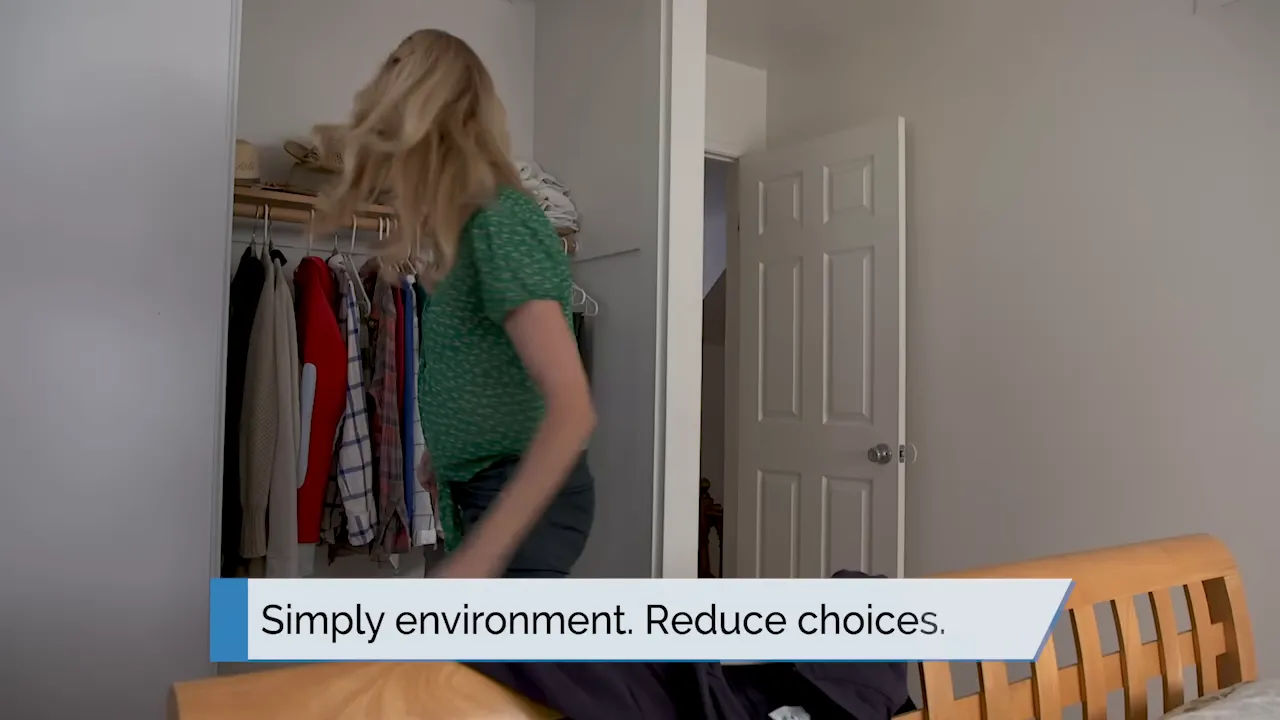
This does two things at once. It lowers confusion and makes it easier to complete the task successfully.
Common mistakes that can make agitation worse
Even well-intended help can backfire when the interaction feels rushed or controlling.
Try to avoid these common mistakes:
- Rushing through the task
- Arguing about whether help is needed
- Correcting or criticizing
- Barking orders
- Offering too many choices
- Approaching with visible frustration
- Ignoring established routines
When a person feels cornered, embarrassed, or overwhelmed, resistance often increases. The goal is not to win an argument. The goal is to lower distress and make the task feel safer.
What if the person says they do not need help?
This is common in dementia. A person may not recognize their limitations and may sincerely believe they can manage independently.
In that moment, direct confrontation usually does not help. Instead:
- Keep your tone calm
- Avoid debating whether they have a problem
- Offer help as backup rather than takeover
- Use simple choices and reassurance
- Focus on the immediate task, not on proving a point
This approach protects dignity and reduces the chance of escalation.
Quick caregiver checklist for agitation and anxiety
- Allow extra time
- Use a gentle, respectful tone
- Keep body language calm
- Offer reassurance
- Avoid commands and arguments
- Give only a few choices
- Plan around the person's normal routine
- Simplify the environment
- Choose easy, low-frustration clothing and tasks
When these strategies matter most
These techniques are especially helpful during personal care and transition times, such as:
- Getting dressed
- Preparing for appointments
- Morning routines
- Any situation that involves assistance the person may not believe they need
Using the same calm, supportive approach consistently can make these moments more predictable and less stressful over time.
Takeaway
Agitation and anxiety in dementia are often signs of distress, not deliberate noncooperation. The most effective response is usually a combination of slowing down, speaking gently, offering reassurance, preserving choice, respecting routine, and simplifying the environment.
When care feels less threatening and more supportive, the person is more likely to accept help and less likely to become upset.