How to Help With Bathing and Dressing Safely and Respectfully
How to Help With Bathing and Dressing Safely and Respectfully

Photo by CDC on Unsplash
Helping someone with bathing, grooming, and dressing is one of the most personal parts of caregiving. These tasks are part of activities of daily living, often called ADLs. They can also be some of the most sensitive.
A person who needs help may feel exposed, embarrassed, vulnerable, or afraid. That can be even more true when dementia is involved. The goal is not only to get the task done. The goal is to make it safe, calm, and as independent as possible.
What ADLs include
ADLs are basic self-care tasks a person needs to manage each day. In this context, the key ADLs are:
- Bathing
- Dressing
- Grooming, such as hair care, nail care, and shaving
When a person can no longer do these tasks fully alone, they may need supervision, prompting, hands-on help, or a combination of all three.
Core principles for helping with personal care
Before getting into specific bathing or dressing steps, a few general rules matter most.
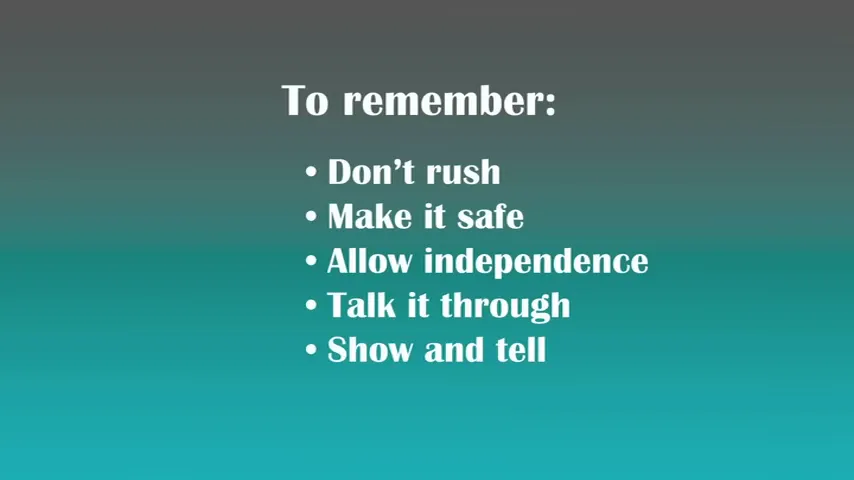
- Do not rush. A rushed approach can increase resistance, confusion, and risk of falls.
- Make safety the priority. Bathrooms in particular can be hazardous.
- Preserve independence. Let the person do as much as they can while you stand by.
- Talk through the steps. Calm, simple cues can make personal care easier.
- Show as well as tell. For dementia or cognitive changes, visual prompting may help more than verbal instructions alone.
If the person becomes upset or refuses care, it is often better to stop and try again later rather than force the task.
How to prepare for bathing
Good preparation makes bathing easier for both the caregiver and the person receiving care.
Gather supplies first
Bring together the items you will need before starting. That can include towels, washcloths, soap, shampoo, lotion, clean clothes, and grooming supplies. Having everything ready helps avoid leaving the person unattended.
Warm, dry, clutter-free bathroom
The bathroom should feel comfortable and safe. Remove objects that block the path. Keep the floor dry and reduce trip hazards as much as possible.
Use safety equipment
Helpful bathroom equipment can include:
- Grab bars
- A detachable shower hose
- A bath chair or transfer bench
- A bath mat outside the tub or shower
- A rubber mat on the tub bottom or shower floor
These tools can reduce fall risk and make bathing more manageable.

Best ways to bathe someone who needs help
There is no single right method. The best option depends on mobility, comfort level, safety, and whether the person is fearful of the bath or shower.
1. Showering
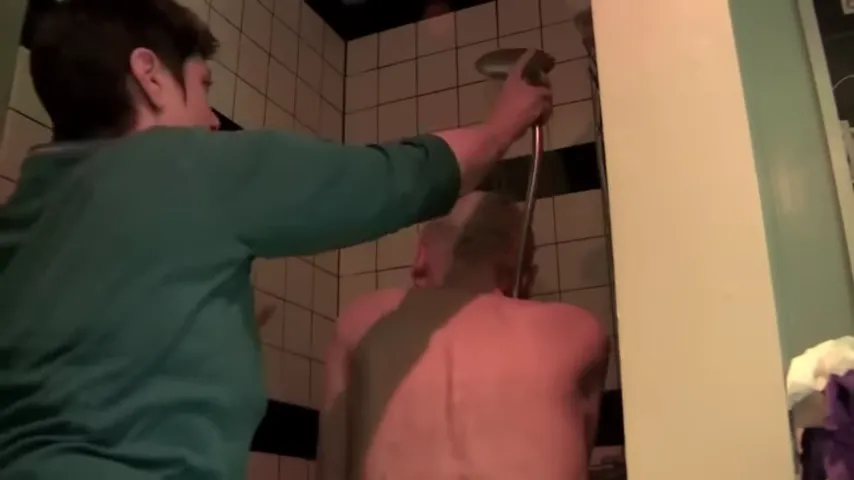
For showering, use warm water and mild water pressure. If the person is modest or anxious, keep a large towel draped around the body as much as possible.
Guide the person to a bath seat if seated bathing is safer. If standing is preferred and safe, encourage use of a grab bar.
Helpful shower tips:
- Let the person check the water temperature.
- Let them hold the showerhead if that helps them feel in control.
- Wash hair while seated when possible.
- Use a washcloth to help keep soap out of the eyes.
- Clean carefully under skin folds.
When the shower is done, help the person step onto the floor mat before turning off the water. This helps avoid chills and discomfort. Then move to a nearby chair or toilet seat for drying.
2. Sponge bathing
A sponge bath can be a good alternative if a full shower or tub bath is too tiring, too stressful, or unsafe. It can also work well when the person is afraid of stepping into the tub or shower.
For a sponge bath:
- Seat the person on a towel-covered chair or toilet seat, or have them stand at the sink if safe.
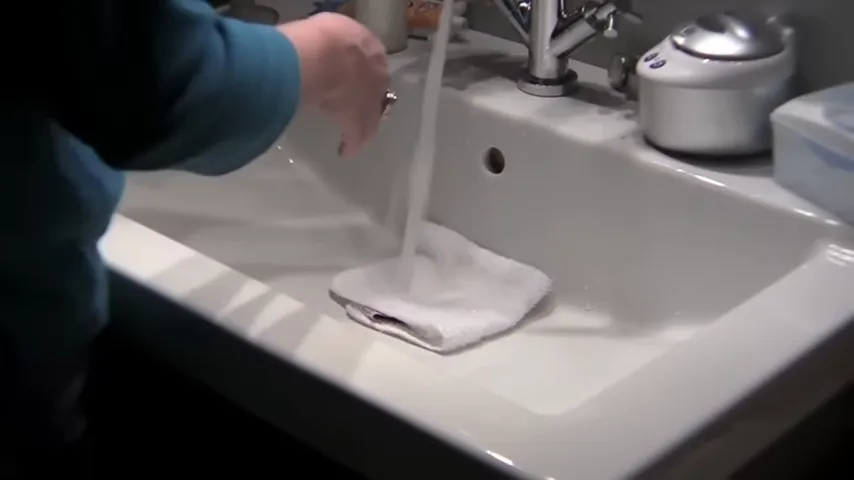
- Fill the sink with warm water and a small amount of soap.
- Use washcloths to clean from top to bottom.
- Encourage the person to do whatever parts they can.
- Refill the sink with fresh warm water.
- Use clean cloths to wipe away soap.
This method is often quicker and less overwhelming than a full bath.
3. Waterless bathing products
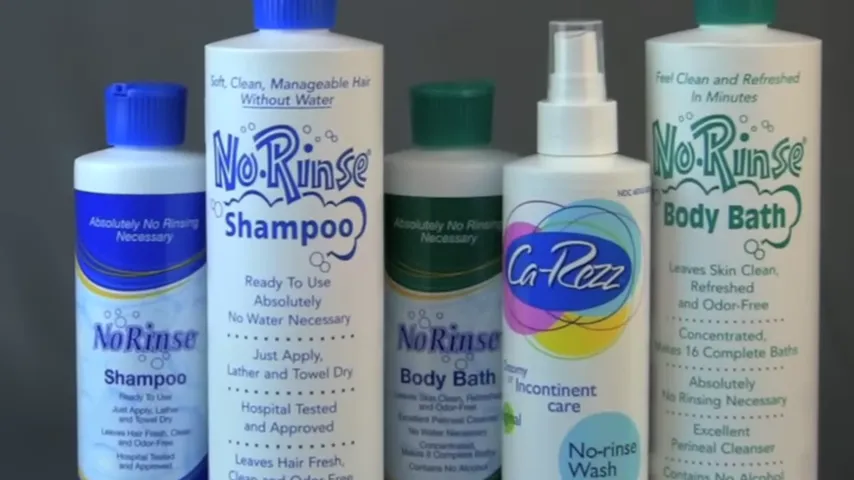
Traditional bathing is not always necessary. Waterless body washes and dry shampoos may be useful alternatives, especially when the person dislikes bathing or cannot tolerate it well.
For dry skin, a gentle lotion can be applied to the body, including hands and feet, then the excess can be toweled off. Keeping skin folds dry is also important to help prevent rashes.
How often should someone bathe?
A daily shower or bath is not always needed. If regular sponge baths are being done, that may be enough for routine hygiene. The right schedule depends on the person's condition, comfort, skin needs, and ability to tolerate bathing.
Consistency matters more than forcing a full bath every day.
Bathing tips for dementia care
People with dementia may need more support during ADLs. Some may be frightened by water, by the bathroom itself, or by not understanding what is happening.
Helpful strategies include:
- Use a calm, gentle tone.
- Explain each step before and during the task.
- Demonstrate what you want them to do.
- Guide the hand if needed.
- Keep routines predictable.
- Respect modesty as much as possible.
If fear or resistance increases, pause. Trying again after a break can work better than continuing in the moment.
Grooming after bathing
Bathing often flows naturally into grooming. If hair or nail care is done at home, the easiest time is usually right after bathing.
Hair care
Hair can be washed during the shower or managed with a dry shampoo or waterless product when needed.
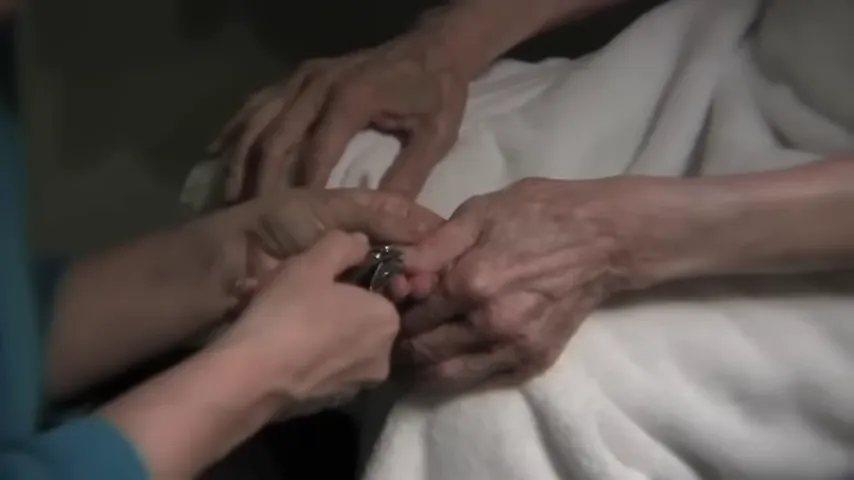
Nail care
Check hands and feet for any changes or irregularities while grooming. Keep nails at manageable lengths with a nail file when possible.
If clipping is necessary:
- Cut nails straight across
- Use a clipper
- File the edges afterward
Cuticles do not need cutting. They can simply be pushed back with a towel.
Shaving
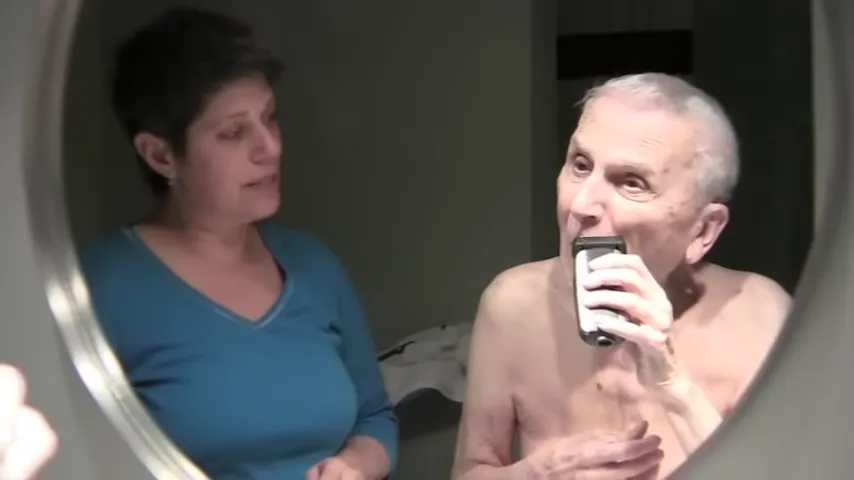
An electric shaver is generally the best option. It is safer and may allow the person to keep some independence.
If a safety razor must be used, the caregiver should handle it rather than the person receiving care.
How to help someone get dressed
Dressing should be as simple and frustration-free as possible.
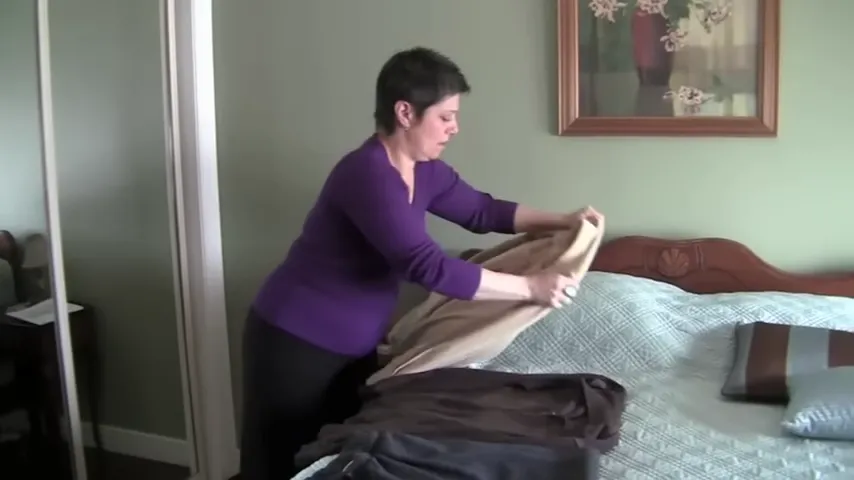
Choose easy clothing
A simplified wardrobe can make a big difference. Look for:
- Pull-on clothing
- Velcro fasteners
- Elastic waistbands
- Large buttons
Clothes with many zippers or small buttons may be confusing or frustrating, especially for someone with dementia or limited hand function.
Lay clothes out in advance
If the person can still dress independently, set out the outfit ahead of time. This can reduce the number of choices and lower frustration.
Choose safer shoes
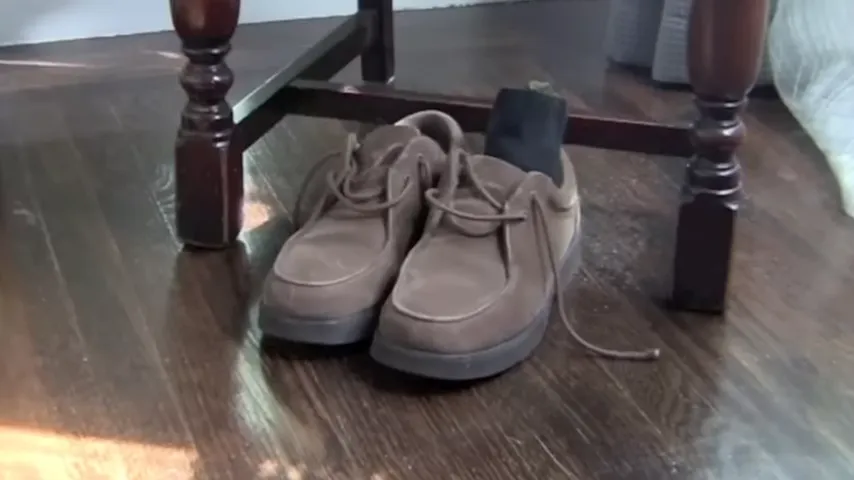
Shoes should be:
- Low-cut
- Lightweight
- Less likely to slip
Common mistakes to avoid
- Rushing through personal care. This often makes things harder, not faster.
- Taking over completely. Doing everything for the person can reduce confidence and function.
- Ignoring fear or embarrassment. Emotional discomfort is a real barrier to care.
- Skipping safety setup. Wet floors, missing grab bars, and poor equipment increase fall risk.
- Using clothing that is too complicated. Small fasteners and difficult garments can trigger frustration.
- Pushing through refusal. A short break, or even waiting until the next day, may work better.
When cooperation is difficult
Personal care can become a struggle even with good preparation. If that happens, the most useful response is often to pause.
Take ten minutes. Reassure the person. Return later if needed. In some cases, waiting until another time of day or even another day is the better choice.
Patience and acceptance are essential in caregiving, especially during intimate daily tasks.
Quick checklist for bathing and dressing assistance
- Gather supplies before starting
- Warm and dry the bathroom
- Clear walking paths
- Use grab bars, mats, and a bath chair if needed
- Give simple step-by-step guidance
- Let the person do as much as possible
- Consider sponge baths or waterless products when full bathing is difficult
- Check skin, hands, and feet during care
- Use an electric shaver when shaving is needed
- Choose simple clothing and low-slip shoes
- Stop and try again later if the person is distressed
Takeaway
Helping with bathing and dressing is not just about hygiene. It is about protecting dignity, supporting independence, and reducing risk. A calm pace, clear guidance, and a safe setup can make these daily care tasks far more manageable.
If specific medical concerns, skin issues, or safety problems are involved, consult a health care professional for advice tailored to the person's condition.