How to Help Prevent Stiff Joints in a Bedridden Elderly Person
How to Help Prevent Stiff Joints in a Bedridden Elderly Person

Photo by Diana Light on Unsplash
When an older adult is bedridden or very inactive, joints can gradually become stiff, painful, and hard to move. Over time, the body may start curling inward into a bent posture, making everyday care much harder.
Simple light passive exercises can help reduce that risk. When done regularly, they can keep the main joints moving, make repositioning easier, and reduce pain during daily care.
Why bedridden elderly people develop stiff joints
Lack of movement is the main problem. When someone stays in bed for long periods, or moves very little even if not fully bedbound, the joints do not get regular motion. As that continues, the joints can harden and become less mobile.
This stiffness can affect basic caregiving tasks such as:
- Turning in bed
- Changing diapers
- Changing bedsheets
- Transferring to a wheelchair
If stiffness is allowed to progress too far, trying to straighten the body later can be very painful.

What people mean by a fetal position in bedridden care
In this context, a fetal position refers to a curled posture where the body bends inward and joints become increasingly tight and immobile. It is not just a sleeping position. It can become a sign that the person has not been moved enough and that the joints are stiffening.
Once the body settles into that pattern, attempts to open the limbs or straighten the joints may cause significant pain.
How daily passive exercise helps
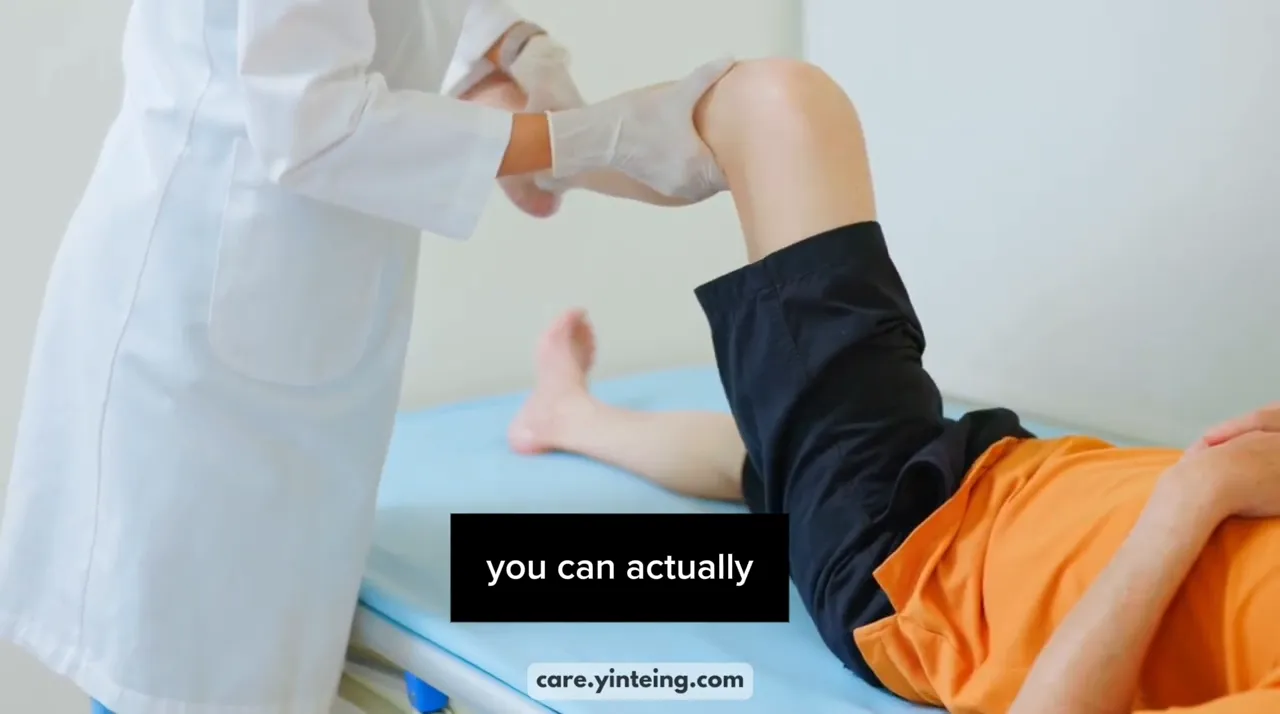
Light passive exercises are movements done for the person when they cannot move enough on their own. The aim is simple: move the major joints regularly so they do not become fixed in one position.
According to the source material, these exercises may help:
- Prevent or reduce joint stiffening
- Improve blood flow
- Maintain some mobility in the limbs
- Reduce pain during handling and transfers
- Make the person more willing to move because movement is less painful
Even when stiffness has already started, regular gentle movement may make the joints feel more nimble and easier to manage during care.
Which joints should be moved
The focus should be on the main joints of the body. The material specifically mentions moving:
- Elbows
- Wrists
- Shoulders
- Hips
- Thighs and legs
- Ankles
The goal is not intense exercise. The goal is regular movement through gentle ranges that help the joints stay mobile.
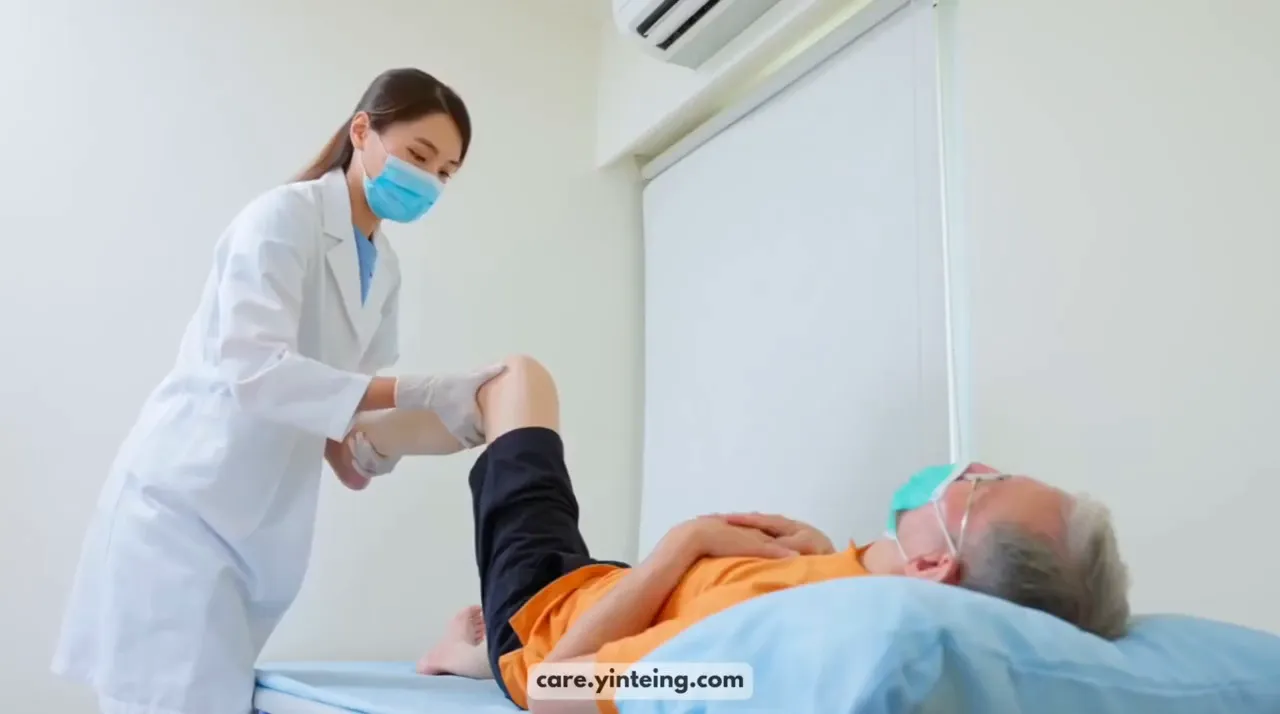
How often to do passive range of motion exercises
A practical routine from the source is:
- At least once a day
- About 10 to 15 minutes total
- More often if possible, such as 2 or 3 times a day
Regularity matters more than intensity. Short daily sessions are more useful than doing too much once in a while.
How many repetitions to do
The material indicates a physiotherapist recommended around 30 repetitions per side for the exercises being taught.
It also notes that:
- Arms may have one set of exercises
- Legs may involve about four different sets to move different parts and positions
That said, repetition counts and exact movements should still be tailored to the individual, especially if they have pain, stroke-related weakness, recent illness, or other medical issues.
What benefits caregivers may notice
When joints move more freely, day to day care can become much easier. Reported improvements include less pain when:
- Turning the person
- Changing diapers
- Changing bedding
- Moving the person into a wheelchair
There may also be a small but meaningful benefit after sleep. If the legs are not painful, the person may move them more naturally after waking.
Important precautions before you start
Passive exercises should be gentle. The source material strongly supports doing them, but it does not provide a full clinical protocol for every condition. That means caution is important.
Before starting, ask a physiotherapist what is appropriate if the person:
- Has had a stroke
- Has severe pain with movement
- Already has significant stiffness or contracture
- Is very frail
- Has a recent hospitalization or ongoing medical issues
Professional guidance matters because the right exercises depend on the person's condition and current limits.
Common mistakes that can make stiffness worse
1. Waiting until the body is already very curled and rigid
The later stiffness is addressed, the more painful it may be to correct.
2. Moving only during diaper changes or transfers
Incidental movement is usually not enough. Planned daily exercise helps protect the joints.
3. Focusing on just one limb
Major joints across both arms and legs need regular attention.
4. Doing exercises too roughly
The purpose is gentle movement, not forcing the limb straight.
5. Being inconsistent
Doing a little every day is more helpful than occasional long sessions.
When to ask a physiotherapist for a custom plan
A physiotherapist can teach safe movements for a bedridden loved one and show which exercises to do for each joint. This is especially helpful if the person:
- Is becoming stiff already
- Has pain when touched or turned
- Has stroke-related weakness
- Needs help with all transfers
- Is starting to curl into a fixed posture
Targeted instruction can help caregivers know what to move, how often to move it, and how to do it with less discomfort.
Simple daily checklist for caregivers
- Set aside 10 to 15 minutes
- Move the main joints on both sides
- Be gentle and watch for pain
- Keep the routine daily
- If possible, repeat 2 or 3 times a day
- Ask a physiotherapist for a personalized exercise plan
Key takeaway
For a bedridden elderly person, stiff joints and a curled fetal-like posture are often easier to prevent than to reverse. Light passive exercises done daily can help maintain movement, reduce pain during care, and keep the joints from becoming severely immobile.
If stiffness is already appearing, early action and guidance from a physiotherapist can make a meaningful difference.