How to Give a Bed Bath at Home Safely and Comfortably
How to Give a Bed Bath at Home Safely and Comfortably

Photo by Christian Agbede on Unsplash
A bed bath helps keep skin clean, comfortable, and healthier when someone cannot get out of bed or has very limited mobility. Done properly, it can also lower the risk of skin problems and infection.
The key is to stay organized, protect privacy, use gentle techniques, and pay close attention to skin condition while you wash, rinse, and dry each area.
What is a bed bath?
A bed bath is a full body wash given while a person remains in bed. It is commonly used for someone who cannot stand safely, cannot transfer out of bed, or is too weak or ill to bathe in the usual way.
A good bed bath is not just about cleanliness. It also helps you:
- Keep skin healthy
- Reduce infection risk
- Check for redness, rashes, or open areas
- Maintain comfort and dignity
Supplies you need for a bed bath
Gather everything before you begin so the person is not left exposed or waiting while you search for items.
- Gentle soap or cleanser
- Several washcloths
- Several towels
- Skin cream or lotion if needed
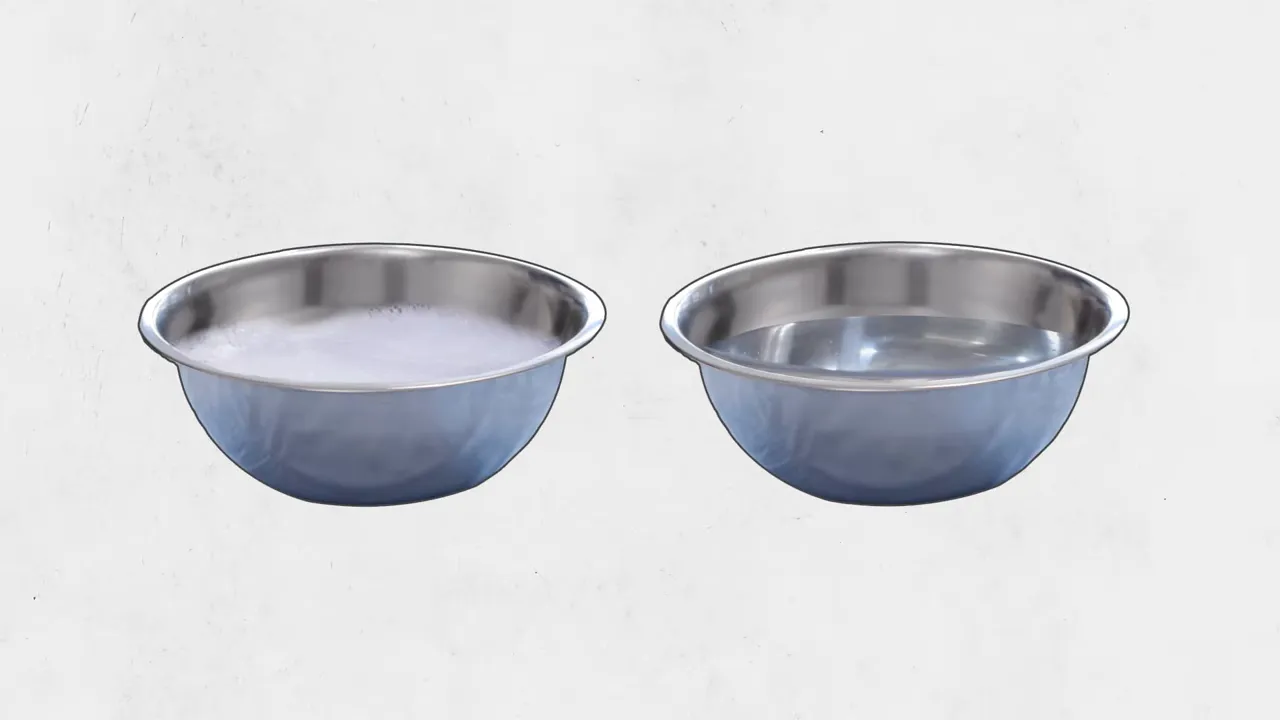
- Two basins or large bowls, one for washing and one for rinsing
- Waterproof bed pad
If you do not have a waterproof bed pad, a garbage bag can be used underneath a towel. The towel helps absorb water and protects skin from direct contact with the plastic.
Before you start: important safety and comfort tips
A few simple checks can make the process easier and safer.
Use warm water, then test it
Water in a bowl cools quickly, so it can make sense to begin with hotter water than you expect to use. Right before washing, test the temperature with your elbow to make sure it feels safe and comfortable.
Keep the person covered
Cover areas you are not washing with a light blanket or towel. This helps maintain warmth and privacy.
Encourage as much independence as possible
If the person can participate, let them do what they can. Sometimes handing over a washcloth is enough to help them start washing their own face, chest, or hands.
Wear gloves if needed
Use disposable gloves if you may come into contact with blood or bodily fluids.
Watch the skin closely
As you clean, look for:
- Red areas
- Rashes
- Open skin
- Pressure-related irritation
Any unusual skin change should be reported to a health care professional for follow-up.
How to set up the bed for a bed bath
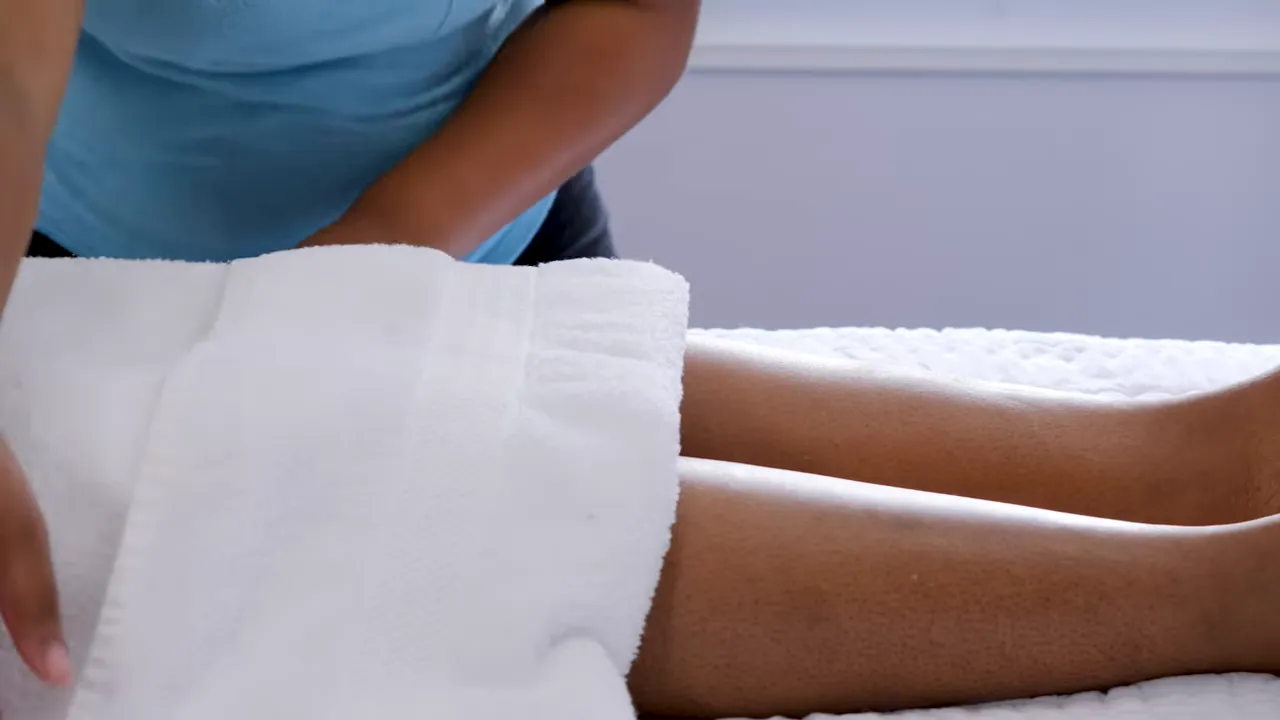
Before washing, place the waterproof bed pad under the person. If using a garbage bag instead, put a towel on top of it.
This helps keep the sheets dry and creates a more practical work area.
The basic bed bath method
The core routine is simple:
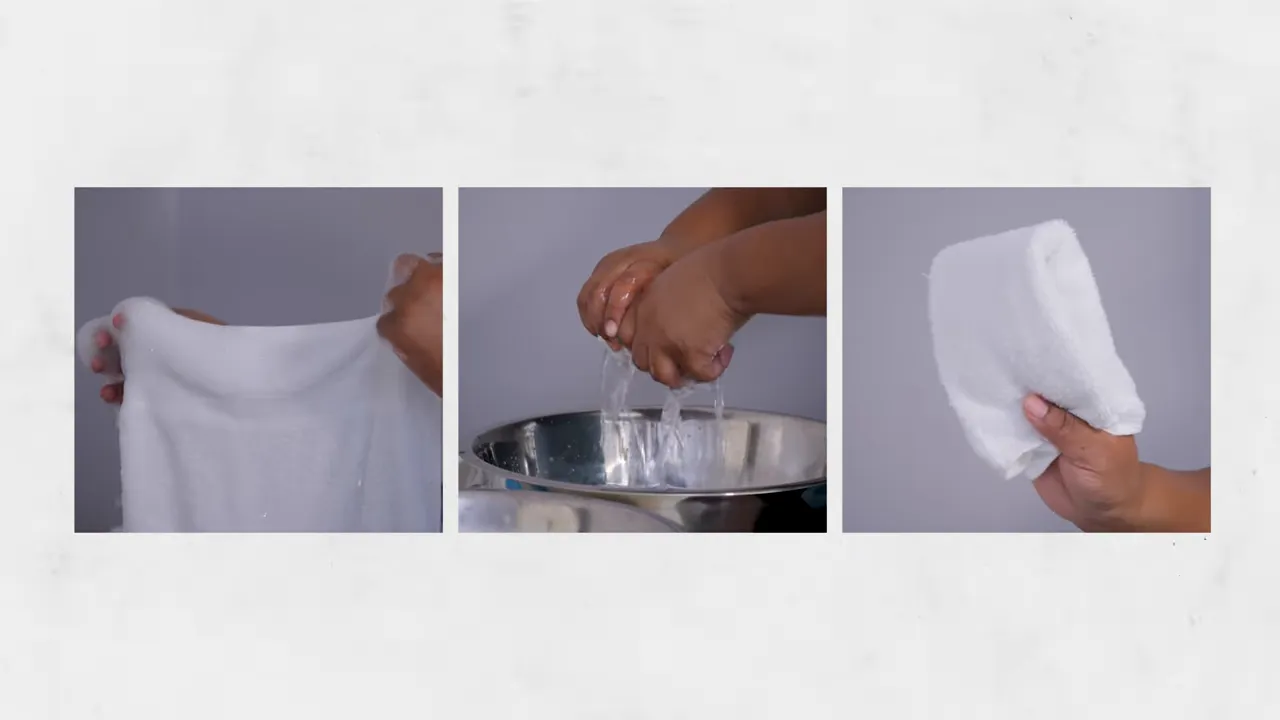
- Wash with a soapy cloth
- Rinse with a fresh cloth and clean water
- Dry by patting gently
Pat the skin dry instead of rubbing. This is especially important for delicate or bedbound skin.
Best order for giving a bed bath
Working from cleaner areas to areas that need more careful hygiene helps keep the process organized.
1. Face
Start with the face. Use a gentle cleanser or plain water, since facial skin is sensitive and harsh soap can irritate it.
Wash gently, rinse with a separate cloth in clean water, and pat dry.
2. Neck, chest, stomach, arms, and hands
Move on to the upper body. Pay extra attention to:
- Skin folds
- Under the breasts
- Areas where moisture can stay trapped
Dry these areas very well.
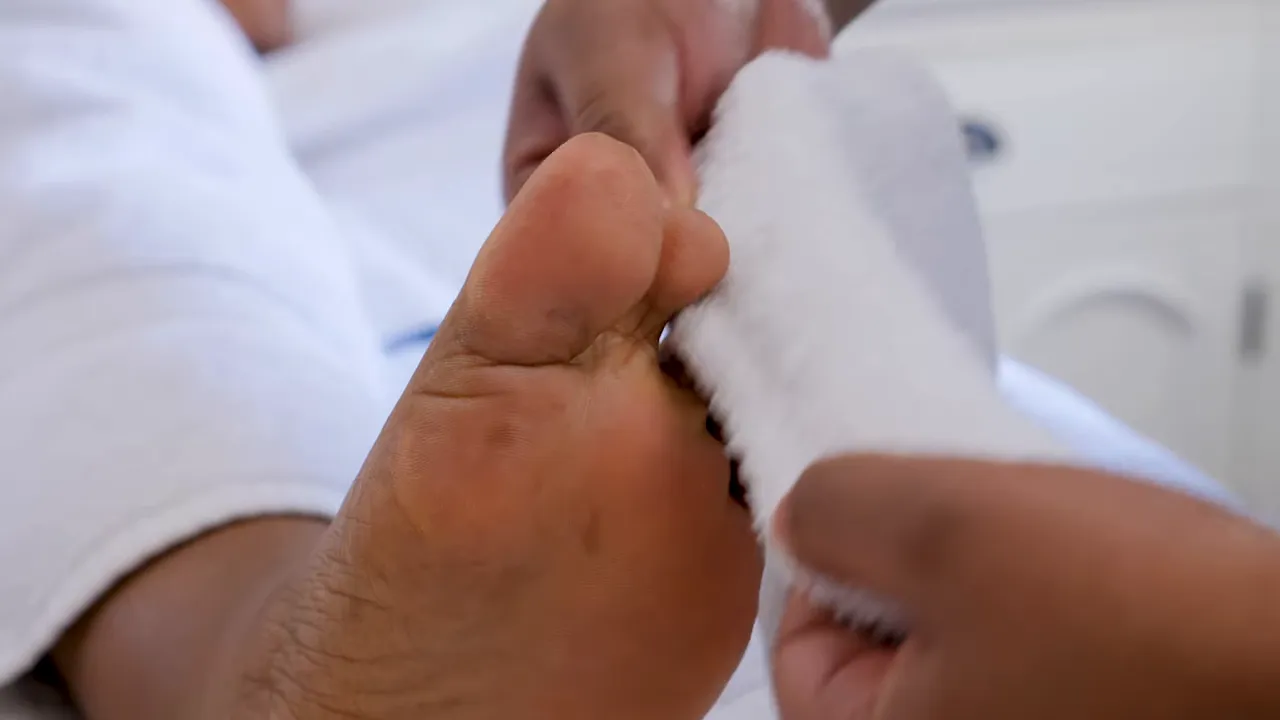
3. Legs and feet
Wash, rinse, and dry the legs and feet carefully. Be especially thorough between the toes, where moisture can lead to fungal problems or skin breakdown.
4. Private areas
This part often feels the most uncomfortable, but proper cleaning is important to help prevent infection.
Use a fresh washcloth and wash the front private area first. Always clean from front to back.
After washing the front, discard that used washcloth.
5. Back and bottom
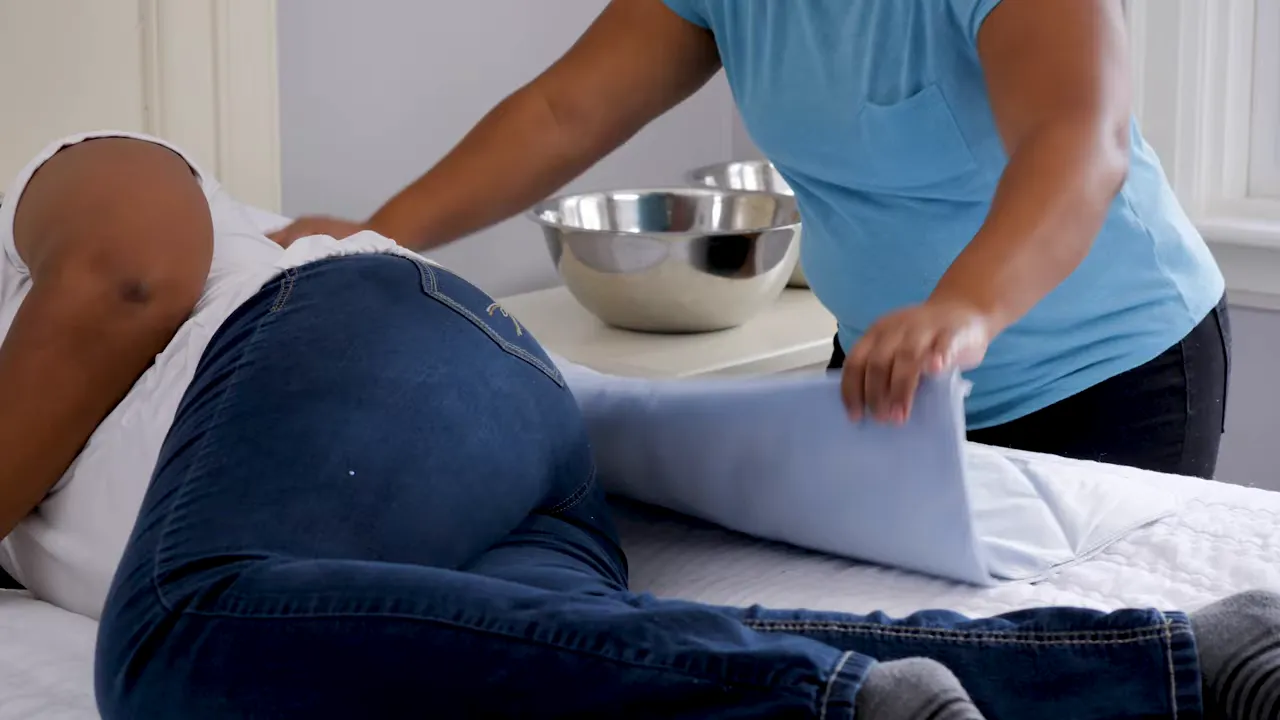
Help the person roll onto their side, facing away from you. A pillow or folded towel placed under the pad can help keep them supported on their side while you work.
Then use a new fresh cloth to wash the back and bottom.
How to keep sheets dry during a bed bath
You can give a full bath in bed without soaking the sheets if you:
- Place a waterproof pad under the person
- Use towels over any plastic barrier
- Wring out cloths well so they are damp, not dripping
- Wash one section at a time instead of pouring water over the body
- Dry each area before moving on
Why drying matters as much as washing
Leftover moisture can lead to irritation, fungal growth, and skin breakdown. That is why drying is not just the last step. It is a major part of preventing skin problems.
Take extra care with:
- Skin folds
- Under the breasts
- Between the toes
- Any area where skin touches skin
When to apply lotion or skin cream
If the person has dry skin, applying lotion after the bath can help with comfort. Only do this after the skin has been cleaned and dried thoroughly.
Common mistakes to avoid
- Using harsh soap on the face
- Leaving areas uncovered for too long
- Rubbing the skin instead of patting it dry
- Missing skin folds or areas between the toes
- Using the same cloth for private areas and the rest of the body
- Cleaning back to front in the perineal area
- Ignoring redness, rashes, or open skin
Frequently asked questions about bed baths
Do you need two bowls for a bed bath?
Two bowls are helpful because one can hold soapy water and the other clean rinse water. This keeps the rinse step cleaner and more practical.
Can you use plain water on the face?
Yes. Plain water is a good option for the face, especially when skin is sensitive.
Should the person help with the bed bath if they can?
Yes. Encourage them to do as much as they safely can. This supports comfort, dignity, and independence.
When should gloves be worn?
Wear disposable gloves if there is a chance of contact with blood or bodily fluids.
What skin changes should be reported?
Report unusual findings such as open areas, rashes, redness, or pressure-related skin changes.
Simple bed bath checklist
- Gather soap, cloths, towels, lotion, two bowls, and a waterproof pad
- Prepare warm water and test it with your elbow
- Protect the bed with a pad or towel over plastic
- Keep the person covered except for the area being washed
- Wash, rinse, and pat dry one body area at a time
- Pay close attention to folds, under breasts, and between toes
- Use a fresh cloth for private areas
- Clean private areas from front to back
- Roll the person to the side to wash the back and bottom
- Check the skin and report anything unusual
- Apply lotion if needed after the skin is fully dry
Key takeaway
A bed bath at home does not have to be complicated. With the right supplies, a clear routine, and gentle technique, you can keep someone clean, comfortable, and better protected from skin problems and infection.
The most important habits are simple: keep them covered, wash one section at a time, dry carefully, and watch the skin closely.