Daily Foot Care for Older Adults: Simple Tasks to Keep Feet Healthy
Daily Foot Care for Older Adults: Simple Tasks to Keep Feet Healthy

Photo by Towfiqu barbhuiya on Unsplash
Daily foot care is especially important for older adults because small problems can become painful or infected if they are missed. A simple routine can help keep feet clean, dry, comfortable, and easier to monitor for early signs of trouble.
The core daily tasks are straightforward: wash, dry, moisturize, wear the right socks, and inspect your feet. When done consistently, these steps support hygiene, comfort, and early problem detection.
Why daily foot care matters
Feet go through constant pressure, friction, sweat, and skin changes. In older adults, dry skin, reduced flexibility, and difficulty seeing the bottom of the feet can make routine care more important.
A daily foot care routine can help with:
- Preventing infections by keeping feet clean and dry
- Reducing cracked skin that can create openings for infection
- Improving comfort by lowering moisture and friction inside socks and shoes
- Catching issues early before they become more serious
What to do every day
1. Wash your feet with lukewarm water and mild soap
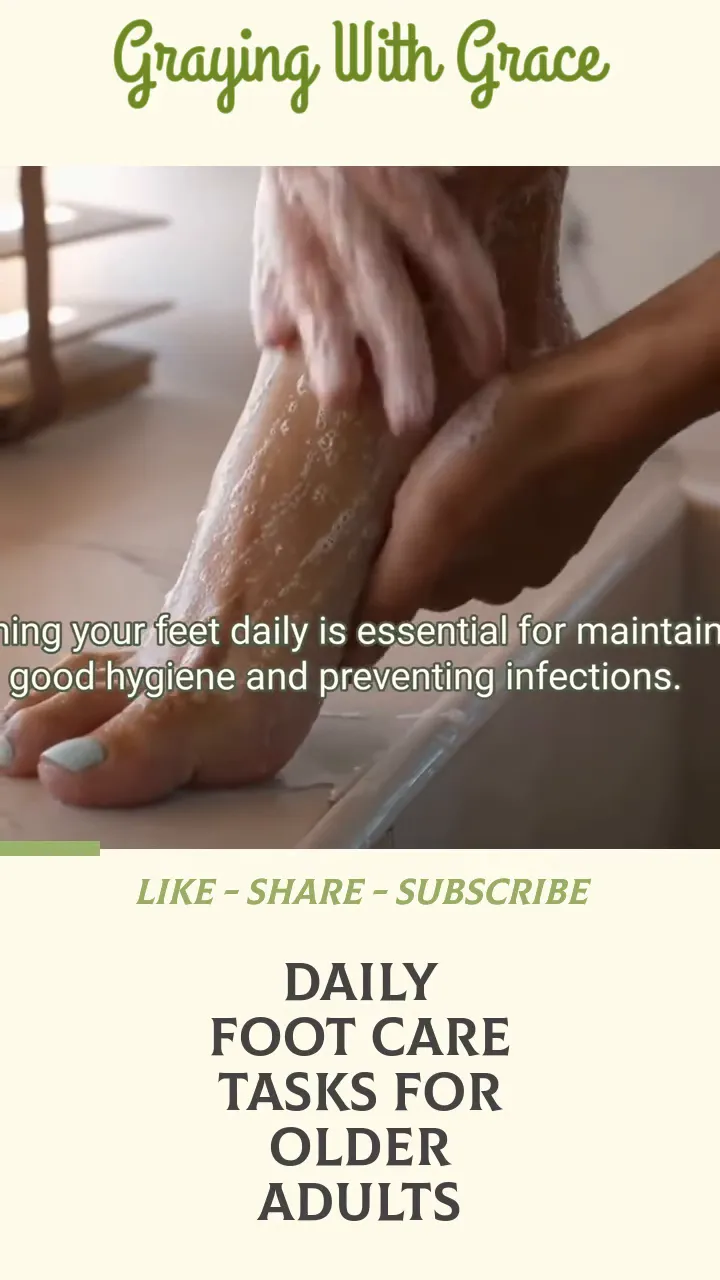
Washing your feet daily helps remove dirt and sweat and supports good hygiene. Use lukewarm water rather than very hot water, along with a mild soap.
The goal is gentle cleaning, not scrubbing aggressively. Focus on the entire foot, including the soles and around the toes.
2. Dry your feet thoroughly, especially between the toes
Moisture left on the skin can increase the risk of fungal problems, particularly in the spaces between the toes. After washing, pat your feet dry with a soft towel.
Pay close attention to areas that stay damp easily. This step is just as important as washing.

3. Moisturize every day, but skip between the toes
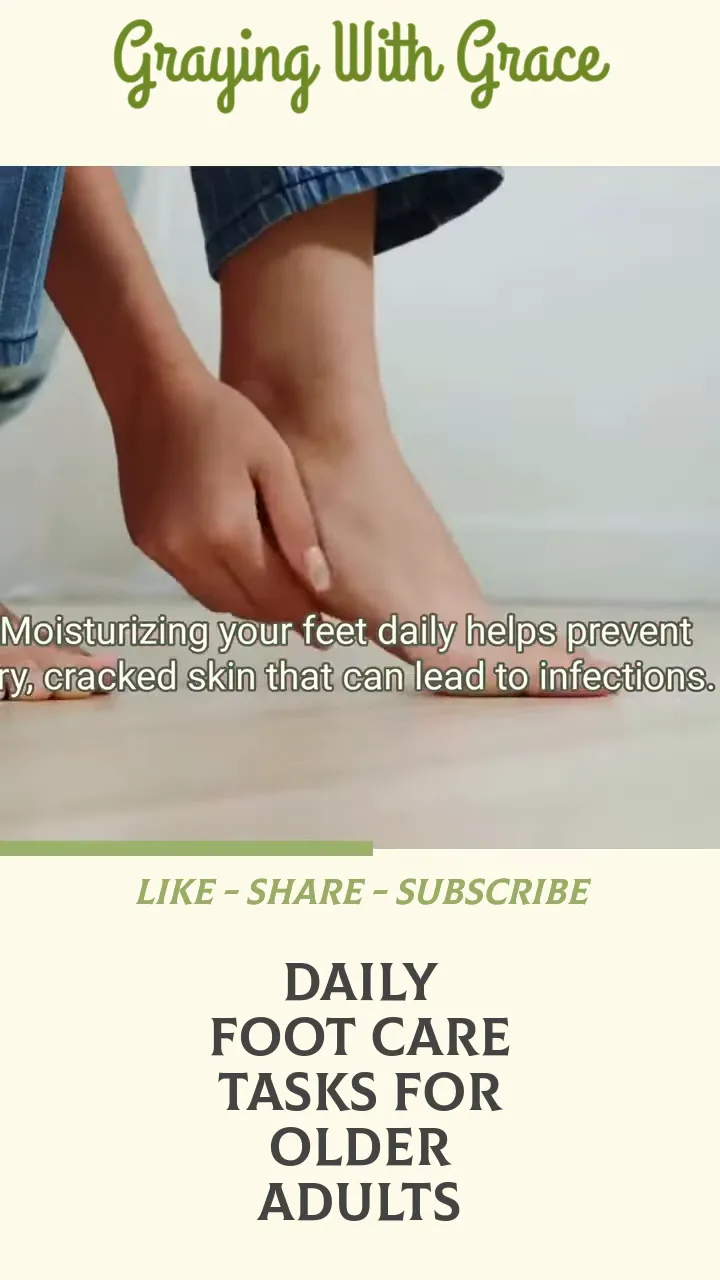
Daily moisturizing helps prevent dry, cracked skin, which can raise the risk of infection. Choose a high-quality, fragrance-free moisturizer and apply it to dry areas of the feet.
Do not apply moisturizer between the toes. That area should stay dry.
4. Wear comfortable, well-fitting socks
Socks affect both comfort and skin health. Good socks can help prevent blisters and reduce irritation during daily movement.
Look for socks that are:
- Comfortable
- Well-fitting
- Made from moisture-wicking materials
Moisture-wicking fabrics help keep feet drier throughout the day.

5. Inspect your feet every day
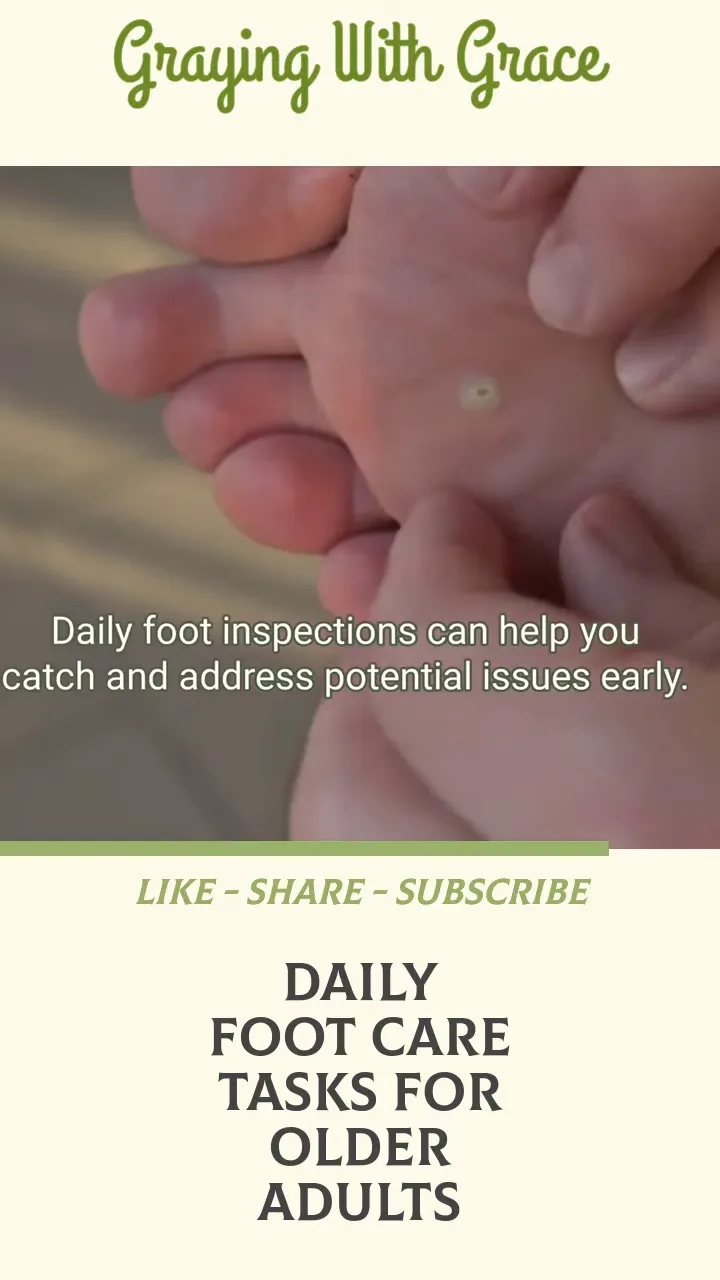
A daily foot check can help you notice problems early. Look over the tops, sides, soles, heels, and toes.
Check for:
- Cuts
- Bruises
- Redness
- Signs of infection
If it is hard to see the bottom of your feet, use a mirror.
A simple daily foot care routine
If you want an easy checklist to follow, use this order:
- Wash feet with lukewarm water and mild soap.
- Pat dry thoroughly, especially between the toes.
- Apply fragrance-free moisturizer to dry skin, avoiding between the toes.
- Put on comfortable, well-fitting moisture-wicking socks.
- Inspect both feet for cuts, bruises, redness, or infection.
This routine only takes a few minutes and covers the most important basics.
Common mistakes to avoid
Even a good routine can be less effective if a few details are missed.
- Using water that is too hot. Stick with lukewarm water.
- Leaving feet damp. Dry carefully after every wash.
- Applying lotion between the toes. This can leave excess moisture where fungus tends to thrive.
- Wearing poor-fitting socks. Tight, loose, or non-breathable socks can increase discomfort and friction.
- Skipping daily checks. Small changes are easier to manage when found early.
What should you look for during a foot inspection?
Keep the inspection simple and consistent. Look for anything new or unusual, especially:
- Breaks in the skin
- Discoloration or redness
- Bruising
- Areas that look irritated
- Possible signs of infection
If reaching or seeing your feet is difficult, a mirror can make the inspection easier and more complete.
Who can benefit from this routine?
This daily foot care routine is useful for many older adults, especially those who:
- Have dry or cracking skin
- Sweat in shoes or socks
- Are prone to skin irritation
- Have trouble bending or seeing the soles of their feet clearly
- Want a simple hygiene routine that helps prevent common foot problems
When extra help may be needed
Some people may need assistance with daily foot care because of limited mobility, balance issues, or difficulty seeing the feet. In those cases, a caregiver can help with washing, drying, moisturizing, sock selection, and inspection.
If you notice changes that seem unusual or concerning, it is sensible to seek medical advice rather than waiting for the issue to worsen.
Key takeaway
The best daily foot care for older adults is built around a few consistent habits: clean feet gently, dry them well, moisturize dry skin, choose moisture-wicking socks, and inspect your feet every day.
These basic steps support comfort, hygiene, and early detection, which can make a meaningful difference in long-term foot health.