Portable Bed Bath for Elderly Care: A Safer Way to Bathe in Bed
Portable Bed Bath for Elderly Care: A Safer Way to Bathe in Bed

Bathing can become one of the hardest parts of daily care when an older adult has limited mobility. Moving someone from bed to bathroom or shower often takes significant effort, can cause discomfort, and may increase the risk of slips, strain, or unsafe handling.
A portable bed bath is designed to make hygiene care easier by allowing washing directly in bed. For caregivers and families supporting a person who cannot transfer comfortably, this setup can simplify bathing, reduce physical stress, and make cleanup faster.
What is a portable bed bath?
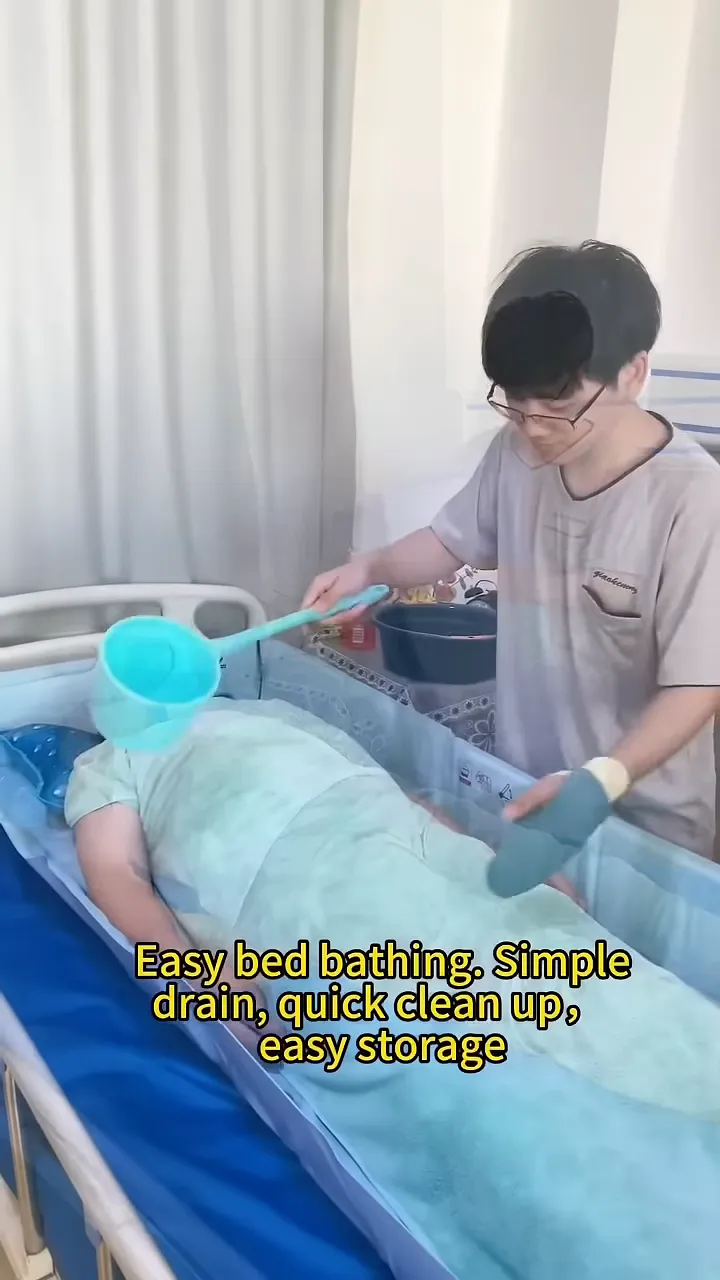
A portable bed bath is a bathing system that lets a person be washed while remaining in bed. Instead of transferring them to a shower chair or bathroom, the caregiver sets up a waterproof bathing area around the body, washes the person in place, and drains the water afterward.
Based on the product shown, the key features include:
- In-bed washing for people with limited mobility
- A portable, foldable design for easier storage
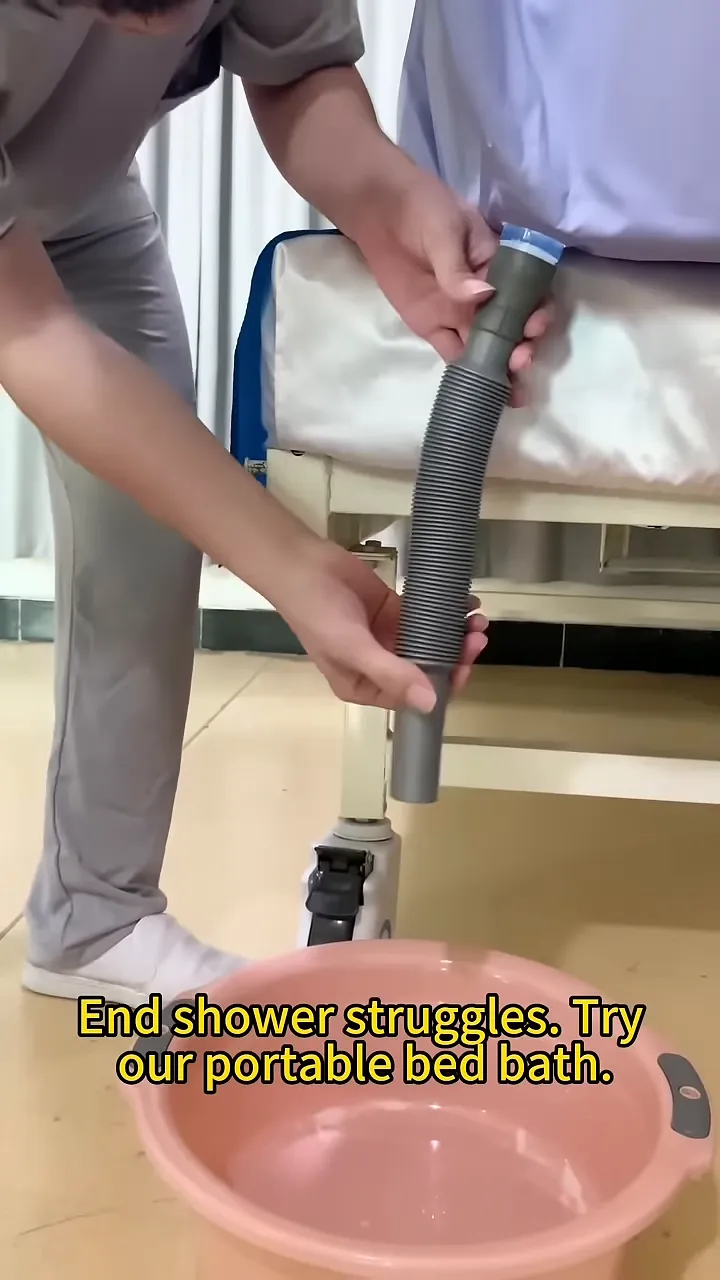
- A drain hose to guide used water into a basin
- Quick cleanup after bathing
Who can benefit from an in-bed bathing system?
This type of setup is especially useful for older adults who:
- Have difficulty standing safely
- Need help with transfers
- Experience pain during movement
- Spend most of the day in bed
- Are recovering and need gentler hygiene support
It can also help caregivers who are trying to reduce the physical effort involved in moving a person to the bathroom.
Why traditional shower transfers can be a problem
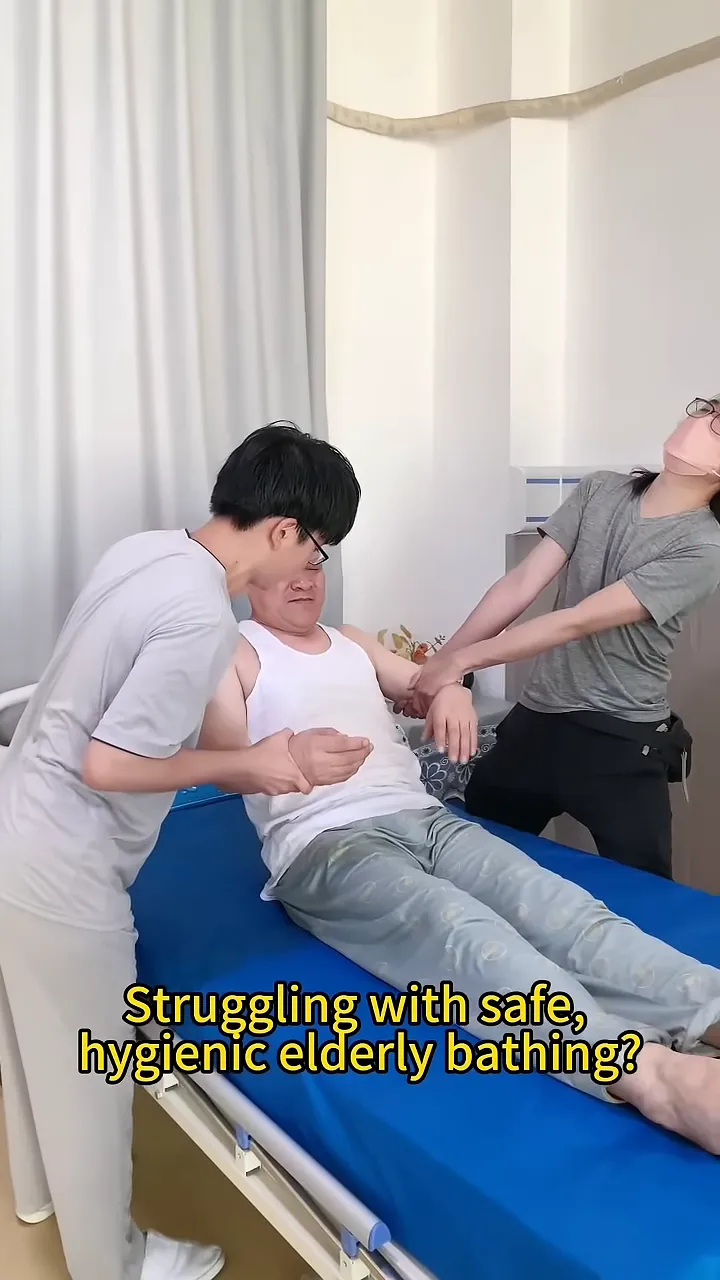
For many households and care settings, the biggest challenge is not the washing itself. It is the transfer.
Getting an elderly person from bed to shower may require lifting, turning, supporting weight, and managing balance in a wet environment. Even when two people assist, the process can still be tiring and uncomfortable.
Common difficulties include:
- Physical strain on caregivers
- Discomfort for the person receiving care
- More time spent preparing and cleaning up
- Stress around shower routines
For someone who is already weak or reluctant to move, bathing in bed can be a more practical option.
How a portable bed bath works
The setup shown follows a simple care workflow:
- The person remains lying in bed.
- A foldable bath support or waterproof bath liner is prepared.
- The bathing area is arranged around the body on the bed.
- Water is used for washing while the person stays in place.
- Used water drains through a hose into a separate basin.
- The equipment is removed, cleaned, and stored.
This approach helps avoid a full bathroom transfer while still allowing a more complete wash than a basic wipe-down.
Main advantages of a portable bed bath
1. Less painful movement
One of the clearest benefits is avoiding unnecessary transfers. If a person can be washed where they are resting, there may be less pulling, lifting, and repositioning.
2. Better comfort during hygiene care
Remaining in bed can feel more secure for a person who is frail, tired, or anxious about showering. That can make the bathing routine calmer and easier to manage.
3. Simpler drainage
A drainage hose is an important feature because it allows wastewater to be directed into a container instead of soaking the bed area.
4. Faster cleanup
When the bath is designed for in-bed use, cleanup can be more straightforward than preparing and drying an entire shower space.
5. Easier storage
The foldable construction shown suggests the unit can be put away when not in use, which matters in smaller rooms or home care environments.
What to look for in a bed bath for elderly care
If you are comparing products, focus on practical details that affect daily use.
- Portability so the unit is easy to move and store
- Simple setup that does not add stress to care routines
- Reliable drainage to control wastewater neatly
- Bed compatibility with the size and layout of the care bed
- Easy cleanup after each use
- Comfort for the person lying in the bath setup
These features matter more than appearance. In hygiene care, ease of use and safe handling are what make a product truly helpful.
Basic steps for using a portable bed bath
Exact instructions vary by product, but the general process is straightforward.
- Prepare the space. Keep towels, wash supplies, clean clothes, and a basin ready.
- Position the person comfortably. Make sure the head, neck, and limbs are supported.
- Set up the bath on the bed. Unfold and place the portable bath system properly.
- Check the drain hose. Confirm it is directed into a container before adding water.
- Wash gently and methodically. Work in sections and protect privacy and warmth.
- Drain the water fully. Make sure wastewater flows into the basin.
- Dry the person and the surrounding area. Prevent lingering moisture on bedding or skin.
- Clean and store the equipment. Fold it away if designed for compact storage.
Drainage matters more than most people think
One of the most useful details in a portable bed bath is the drain outlet. Without a workable drainage setup, even a well-designed bed bath can become messy.
A flexible drain hose allows used water to flow away from the bed and into a tub or bucket placed below. This can make the difference between a manageable bathing routine and a frustrating cleanup.
Common mistakes to avoid
- Starting without a drain container in place. Always set the basin first.
- Rushing the setup. A quick check of folds, edges, and hose position can prevent spills.
- Using water without testing the flow. Make sure drainage works before a full wash.
- Ignoring comfort. If the person is cold, tense, or poorly positioned, the bath becomes harder for everyone.
- Choosing a bulky solution with no storage plan. Portability is important in real care settings.
Is a portable bed bath better than sponge bathing?
They serve different needs.
Sponge bathing may be enough for quick daily hygiene or when only minimal cleaning is needed.
A portable bed bath can be more useful when a fuller wash is needed but shower transfer is difficult. It offers a more contained way to wash with water while the person stays in bed.
If showering is the main obstacle, an in-bed bath system may offer a better balance of comfort and practicality.
Is it suitable for home care?
Yes, the portable design and easy storage shown make it relevant for home care as well as clinical settings. This is especially helpful in homes where bathroom access, shower layout, or caregiver support makes regular showering difficult.
For family caregivers, the biggest advantages are usually:
- Less transfer effort
- Less stress around bathing routines
- A more controlled cleanup process
- A solution that can be stored when not in use
When an in-bed bath may be a smart choice
A portable bed bath can be a good fit when:
- The person cannot comfortably get to the shower
- Transfers require too much lifting or multiple helpers
- Standard showering has become physically stressful
- You need a more practical hygiene routine in a limited space
Final takeaway
For elderly care, bathing should be safe, practical, and as comfortable as possible. A portable bed bath helps by reducing difficult transfers, allowing washing in bed, providing simple drainage, and making storage and cleanup easier.
If shower routines have become a struggle, this type of in-bed bathing solution may be a useful alternative to consider.