Oxygen Therapy at Home: What to Know Before You Start
Oxygen Therapy at Home: What to Know Before You Start

Photo by Mockup Graphics on Unsplash
Starting oxygen therapy can feel like a big adjustment. For many people with lung disease, though, supplemental oxygen can make everyday life easier by helping them stay active, sleep better, and have more energy.
If you have been prescribed oxygen, the most important thing to know is that it is a medical treatment with specific instructions. The right device, the right setting, and safe daily habits all matter.
What oxygen therapy does
Oxygen therapy provides extra oxygen when your body is not getting enough on its own. Your doctor prescribes it based on your individual needs.
Some people need oxygen only:
- During sleep
- When active or exercising
- All the time
The goal is to keep oxygen levels from dropping too low and to support better day-to-day function.
Who may benefit from supplemental oxygen
People living with lung disease are often prescribed oxygen therapy when their oxygen levels are too low. A prescription is not one-size-fits-all. The plan depends on how much extra oxygen your body needs and when you need it most.
Oxygen therapy may help you:
- Stay more active
- Sleep better
- Feel more energetic
- Do more of the activities you enjoy
How doctors decide which oxygen setup you need
Your oxygen prescription is based on several factors. These usually include:
- How much supplemental oxygen you need
- When you need it, such as only at night, only with activity, or continuously
- Your lifestyle, including how often you are at home versus on the go
- Your insurance coverage

Because different people need different levels of support, there are several oxygen delivery devices used at home and away from home.
Common oxygen devices you may use
There are many types of oxygen equipment. The exact device you receive depends on your prescription and daily routine.
You may use oxygen:
- At home
- Outside the home
- Both at home and on the go
Your oxygen supplier should show you how your device works, how to operate it safely, and what to do if you have questions.
What oxygen flow rate means
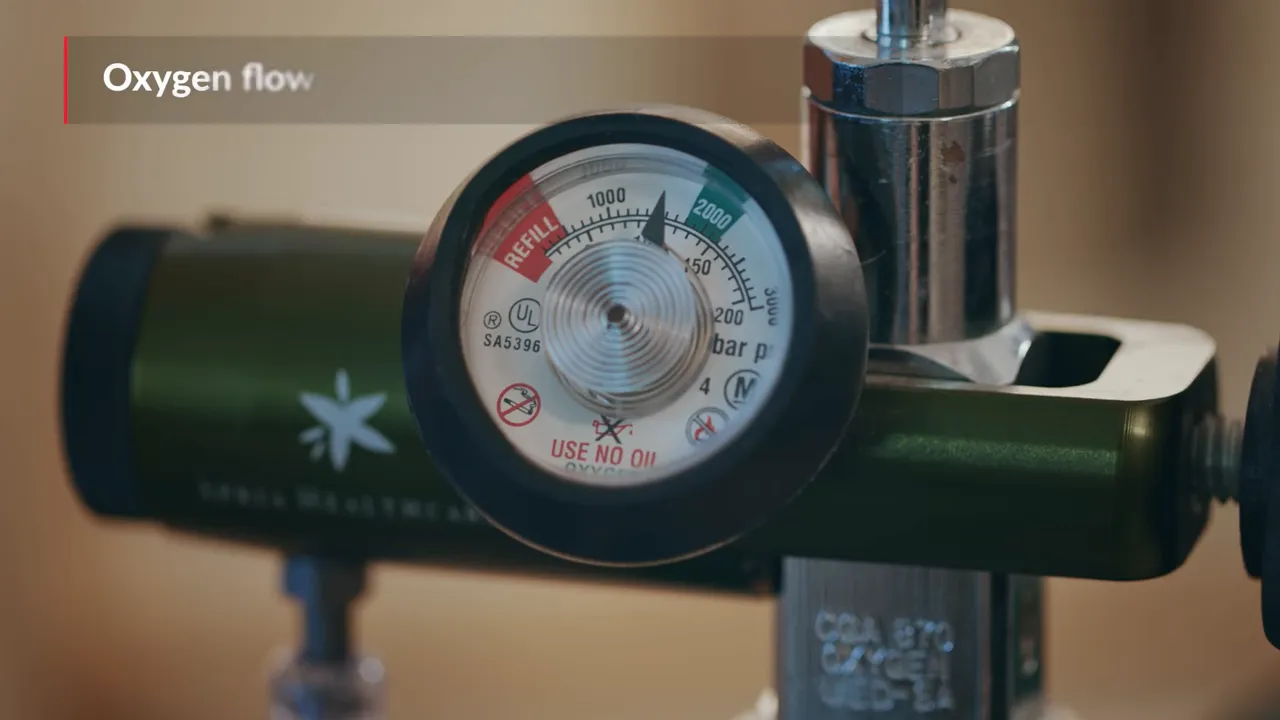
Every oxygen delivery device has a setting called the oxygen flow rate. This refers to the amount of oxygen delivered, measured in liters per minute.
This setting should be determined by your healthcare provider. Do not adjust it on your own unless your provider has specifically told you to do so.
That point is critical: oxygen is a drug. Even if you think you need more or less, changes should only happen with medical guidance.
Should you ever change your oxygen setting yourself?
In general, no. The flow rate should stay at the setting prescribed by your healthcare provider.
Contact your medical team if:
- You are unsure what your prescribed setting is
- You feel your current setup is not meeting your needs
- You still have questions after your equipment is delivered
When your oxygen equipment arrives, ask as many questions as needed. If anything is still unclear, call your doctor’s office.
Questions to ask when your oxygen equipment is delivered
A new oxygen setup is much easier to manage when you understand it from day one. Useful questions include:
- What is my prescribed flow rate?
- When should I use oxygen?
- Which equipment is for home use and which is for outside the home?
- How do I turn the unit on and off?
- How should I store tanks or equipment safely?
- Who should I call if the device is not working correctly?
If you are unsure about any part of the prescription, ask your oxygen supplier and your doctor.
Oxygen therapy safety rules everyone should follow
Supplemental oxygen is generally very safe, but safe handling is essential.
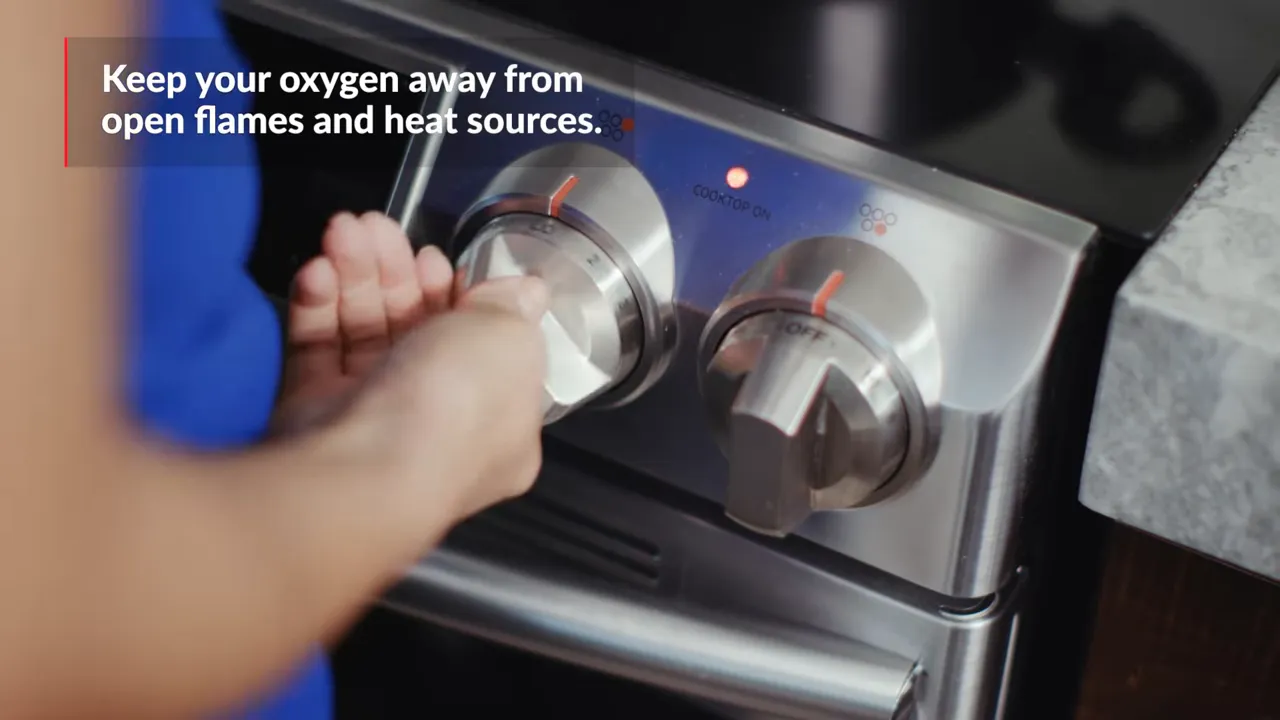
1. Keep oxygen away from flames and heat
The biggest safety rule is to keep oxygen away from open flames and heat sources.
Oxygen does not cause fire by itself, but it supports combustion. That means fire can spread faster and become much more dangerous in an oxygen-rich environment.
Keep your equipment away from:
- Gas flames
- Stoves and burners
- Other heat sources
2. Keep flammable products away from your unit
Do not keep flammable items near oxygen equipment. This includes products such as:
- Aerosols
- Petroleum-based products
These materials can increase fire risk around oxygen.
3. Avoid anything that could spark
Spark-producing items should not be used near oxygen equipment. Electric razors are one example specifically worth avoiding around the unit.
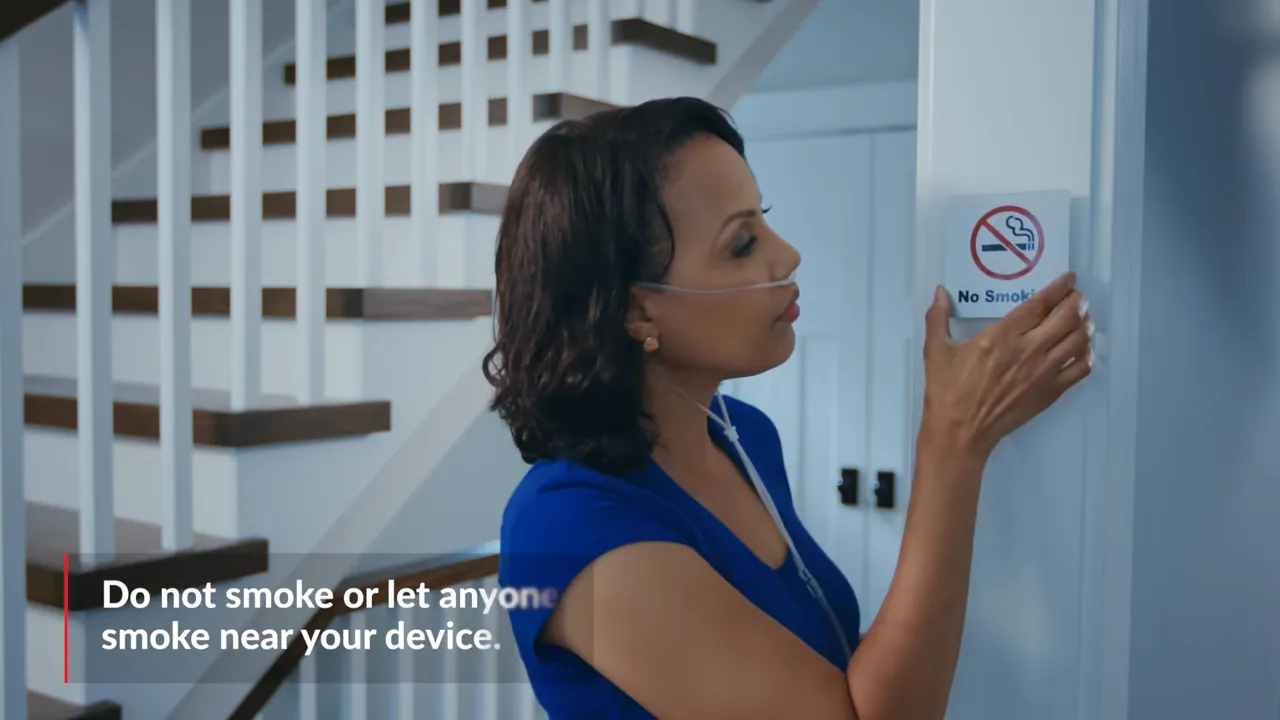
4. Never smoke near oxygen
Do not smoke while using oxygen, and do not let anyone else smoke near your oxygen device.
5. Keep the unit upright
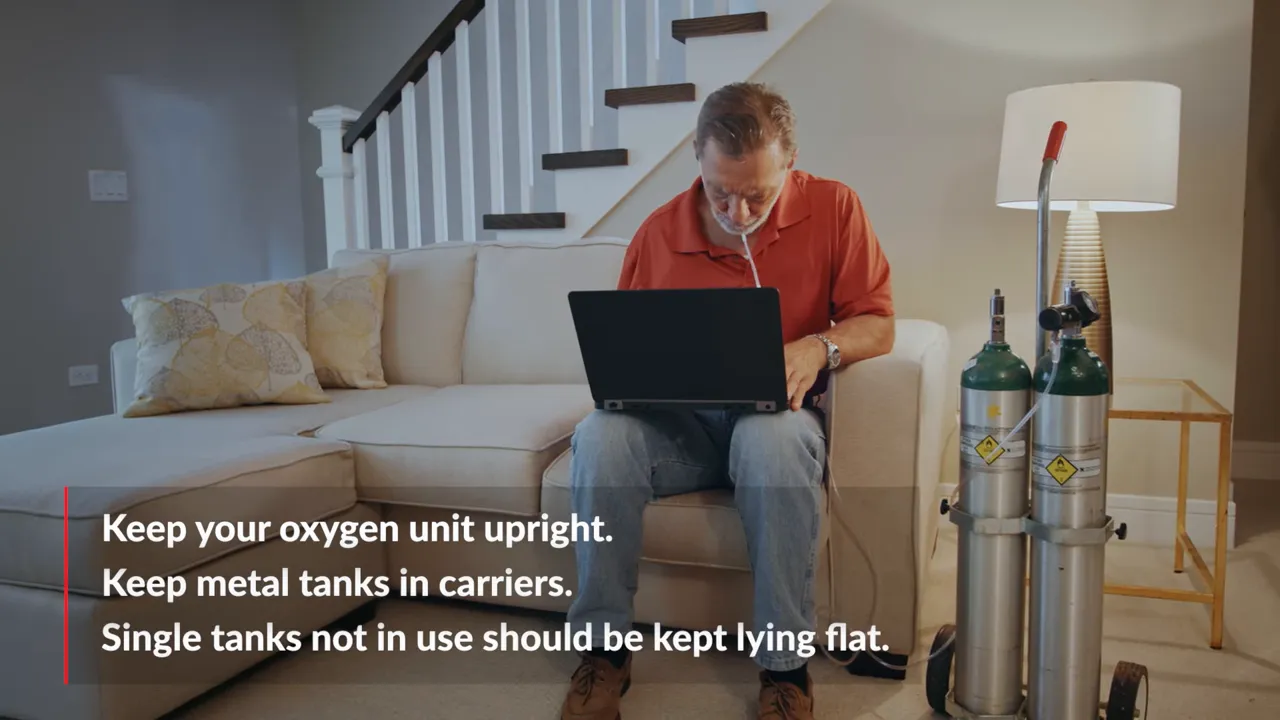
Oxygen equipment should be stored and positioned correctly.
- Keep your oxygen unit upright
- Keep metal tanks in a carrier
- If a single tank is not in a carrier and not being used, keep it lying flat so it does not fall over
How a pulse oximeter can help
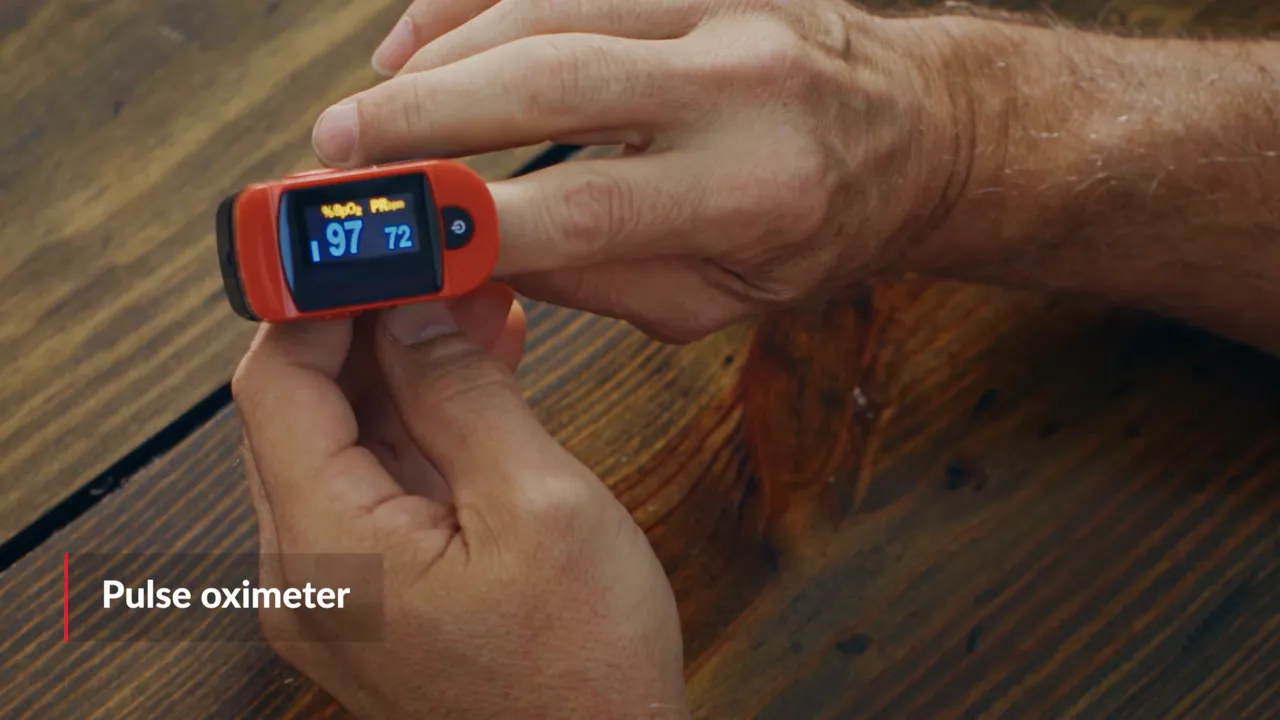
Your doctor may recommend carrying a pulse oximeter. This small device measures your oxygen saturation.
Its purpose is to help make sure the amount of oxygen in your body does not drop to a dangerously low level.
If your care team recommends one, ask when and how often to use it and what reading should prompt you to call for medical advice.
What it feels like to adjust to life on oxygen
Many people feel self-conscious at first. That reaction is common. With time, most people become more comfortable using oxygen as part of their normal routine.
As oxygen therapy starts helping you feel better, it often becomes easier to accept and manage.
It may help to focus on what the treatment allows you to do, such as:
- Move around more comfortably
- Rest better at night
- Keep up with daily activities
Common mistakes to avoid with oxygen therapy
- Changing the flow rate without medical approval
- Using oxygen near flames, heat, or smoking
- Keeping flammable products too close to the unit
- Allowing tanks to stand unsecured
- Leaving questions unanswered after equipment delivery
When to call your doctor or oxygen supplier
Reach out if you:
- Do not understand your prescription
- Have questions about your device
- Need help using the equipment correctly
- Are unsure whether your oxygen needs have changed
It is better to ask early than to guess.
Quick oxygen therapy checklist
- Use oxygen exactly as prescribed
- Know your prescribed flow rate
- Ask questions when the equipment is delivered
- Keep oxygen away from flames and heat sources
- Keep aerosols and petroleum products away from the unit
- Do not smoke or allow smoking nearby
- Store units and tanks safely
- Use a pulse oximeter if your doctor recommends one
Bottom line
Oxygen therapy can take time to get used to, but it often helps people with lung disease feel better and stay more active. The keys are simple: use the right device, follow your prescription exactly, and make safety a daily habit.
If anything about your oxygen therapy is unclear, contact your healthcare provider or oxygen supplier for guidance.