Nursing Home Alternatives for Seniors Who Can’t Live Alone
Nursing Home Alternatives for Seniors Who Can’t Live Alone

Photo by Age Cymru on Unsplash
When living alone starts to feel harder, moving into a nursing home is not the only path. Many older adults can stay safer, more comfortable, and more independent with the right mix of support at home or in the community.
The best option depends on what kind of help is needed. Some people need daytime supervision and social contact. Others need medical check-ins, safer housing, transportation, or help from family without giving up privacy. Understanding the main alternatives can make this decision much less overwhelming.
When it may be time to look for support
Needing more help does not mean someone has failed at living independently. It usually means daily life has changed and the support system needs to change too.
Common signs include:
- Difficulty keeping up with medications
- More trouble with mobility or balance
- Concerns about falls
- Missed meals or poor nutrition
- Increasing isolation or loneliness
- Health changes that need closer monitoring
- Family caregivers becoming exhausted
For many families, the real question is not “home or nursing home?” It is what level of support will make life safer while preserving as much independence as possible.
Why alternatives to nursing homes matter
Older adults often do better when they remain connected to familiar routines, people, and surroundings. Staying engaged in the community and keeping control over daily life can support physical health, memory, and overall quality of life.
That does not mean every person should stay in the same situation forever. It means there are often effective steps between fully living alone and moving into a facility.
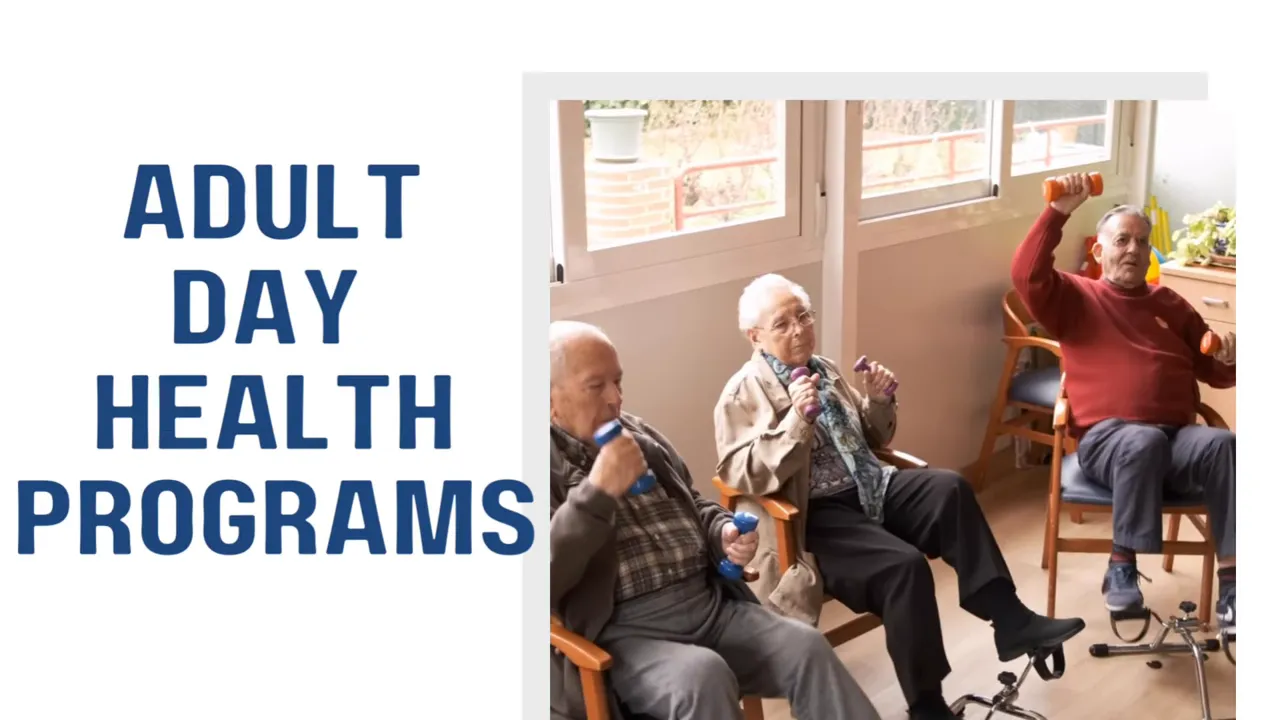
1. Adult day health programs
Adult day health programs let seniors live at home while receiving structured support during the day. These programs can include:
- Medical care
- Physical therapy
- Meals
- Social activities
At the end of the day, the person returns home and sleeps in their own bed. This can be a strong choice for people who are mostly able to remain at home but need supervision, health support, or more social connection during daytime hours.
Who adult day programs are best for
- Seniors who are safe at home overnight
- People who benefit from routine and structured daytime activity
- Families who need respite during the day
- Older adults who are becoming socially isolated
Main benefits
- Professional support without giving up home life
- Regular meals and activities
- More social interaction and friendships
- Relief for family caregivers
2. Home health care with remote monitoring
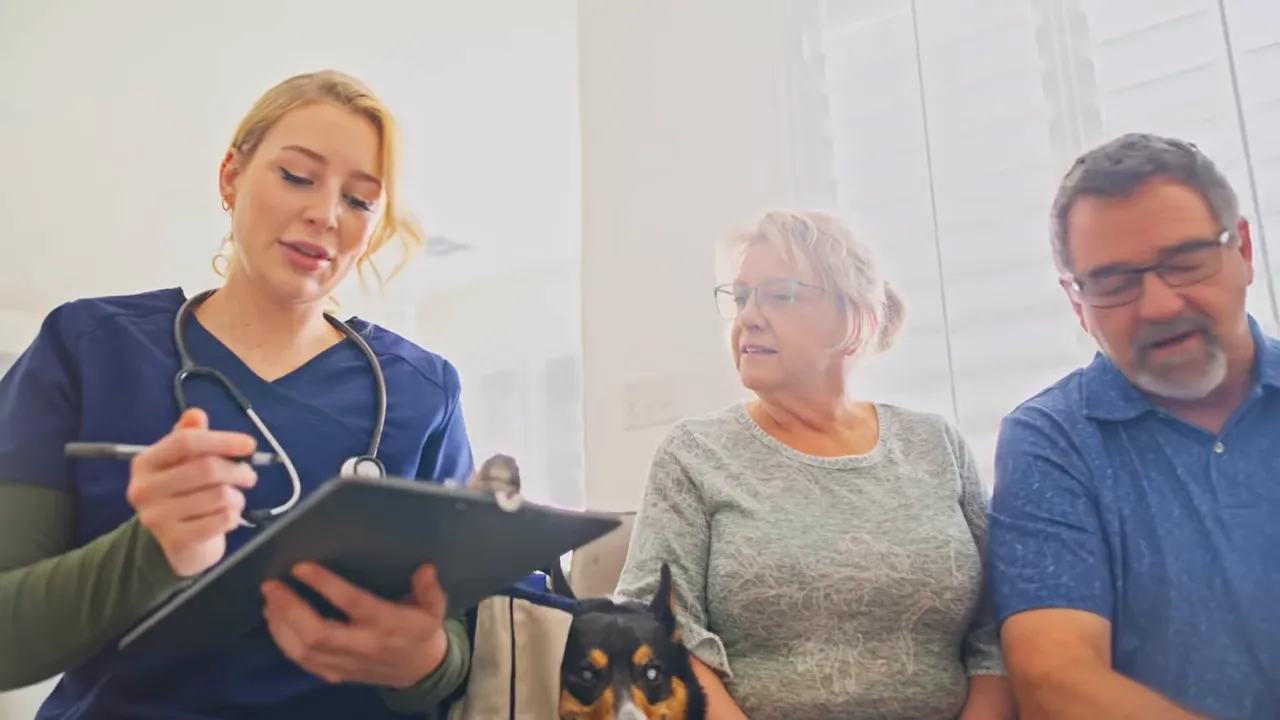
Home health care allows a nurse or home health aide to visit regularly and help with important daily health needs. Depending on the arrangement, support may include:
- Medication help
- Therapy exercises
- Routine health checks
Remote monitoring adds another layer of safety. Simple devices may track things like blood pressure, oxygen levels, and fall risk. If something changes, the care team can respond more quickly.
This option can work especially well for seniors who want to age in place and feel more comfortable in familiar surroundings.
Why this option helps
- It supports aging in place
- It brings care into the home instead of requiring a move
- It may catch health changes earlier
- Familiar surroundings can help some seniors feel calmer and sleep better
Good fit for
- People with ongoing medical needs
- Seniors who need help staying on track with treatment
- Adults at higher risk of falls or health fluctuations
3. Senior co-housing
Senior co-housing is not the same as a nursing home. In this setup, older adults have their own private homes or living spaces while sharing common areas and community life.
The value of this model is the combination of privacy and connection. Neighbors can check in on each other, share meals, and build friendships without giving up personal space.

Why co-housing can be appealing
- Private living space remains intact
- There is built-in social contact
- Neighbors may notice problems early
- Strong social ties can reduce loneliness and support mental health
Best for
- Independent older adults who do not want to live completely alone
- People who value community and shared activities
- Seniors who want support nearby without institutional living
4. Structured multigenerational living
Living with family can work well, but it usually works best when it is planned carefully. The key is structure.
A good multigenerational setup includes:
- Clear household boundaries
- Privacy for the older adult
- Safety upgrades in the home
- Easy access to bedrooms and bathrooms
Helpful safety changes may include grab bars, better lighting, and a layout that reduces difficult stairs or long walks to essential rooms.

Why this can be effective
- Loved ones are nearby
- Small health changes may be noticed sooner
- Support is available without total loss of independence
- The home can be adapted to changing needs
What families often overlook
Good intentions are not enough. Without clear expectations, shared living can create stress. Families should think through privacy, daily routines, responsibilities, and the physical setup of the home before making the move.
5. Local village networks and PACE programs
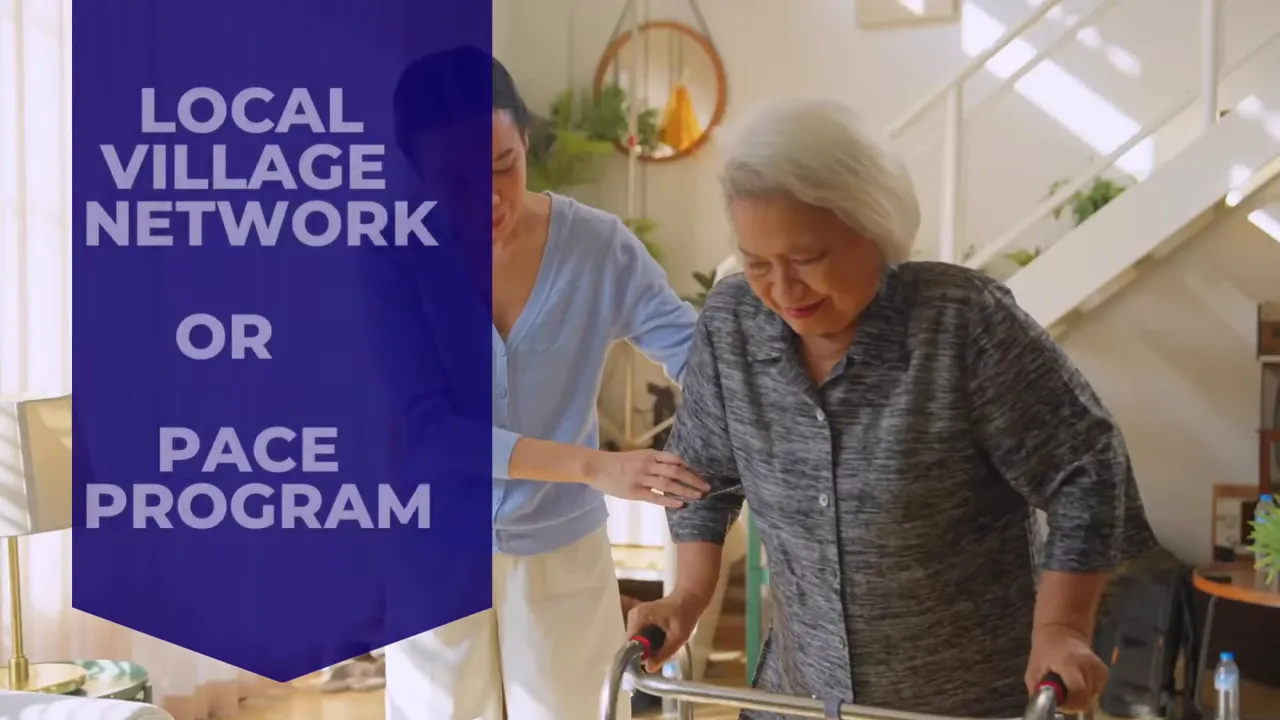
Community-based programs can fill many of the gaps that make living alone difficult. Two examples mentioned are local village networks and PACE programs.
These programs may help with:
- Transportation
- Home repairs
- Social activities
- Navigating health care services
- Connections to volunteers and local professionals
The goal is straightforward: help older adults stay safely in their own homes for as long as possible.
Why community programs are so useful
Sometimes the biggest barriers to independence are not medical. They are practical. A person may be doing fairly well but struggle with rides, household upkeep, or figuring out services. Community networks can solve those problems before they force a bigger move.
How to choose the right senior living alternative
Start by identifying the main issue. Most situations fall into one or more of these categories:
- Safety: fall risk, trouble moving around, unsafe home layout
- Medical needs: medications, monitoring, therapy, regular check-ins
- Social needs: loneliness, inactivity, lack of routine
- Caregiver strain: family members need relief and backup
- Practical support: transportation, repairs, service coordination
Then match the support to the problem:
- If daytime isolation is the biggest issue, consider adult day health programs.
- If health management is the concern, home health care with remote monitoring may fit best.
- If the person is independent but lonely, senior co-housing can provide community.
- If family wants to help directly, structured multigenerational living may work.
- If the main barriers are errands, transportation, or navigating services, look into a village network or PACE program.
Questions to ask before making a decision
- What tasks are becoming difficult right now?
- Does the person need help during the day, at night, or both?
- Are there medical issues that need regular oversight?
- Is loneliness part of the problem?
- Can the home be made safer with simple changes?
- How much help can family realistically provide long term?
- Are local community programs available?
Common mistakes families make
Assuming the only choices are total independence or a facility
There are often several workable options in between.
Waiting until a crisis
Planning early creates more choices and usually leads to better outcomes.
Ignoring social health
Medical care matters, but isolation can also harm quality of life.
Choosing support without adapting the home
Even the best care plan can fall short if the living space is unsafe.
Overestimating what family can sustain
Caregiving burnout is real. A plan should support both the older adult and the caregiver.
Can someone stay independent with help?
Yes. Independence does not always mean doing everything alone. In many cases, it means having enough support to keep making daily choices, staying connected, and remaining in a familiar environment.
The goal is not to avoid help. The goal is to find the right amount of help.
Key takeaway
If living alone is becoming difficult, a nursing home is not automatically the next step. Adult day health programs, home health care with remote monitoring, senior co-housing, structured multigenerational living, and community programs such as village networks or PACE can all offer meaningful support.
For many older adults, the best plan is the one that improves safety while protecting dignity, routine, and personal freedom.