Intensive Blood Pressure Control in Adults 75 and Older: What the SPRINT Findings Mean
Intensive Blood Pressure Control in Adults 75 and Older: What the SPRINT Findings Mean

High blood pressure is extremely common after age 75, and the biggest question has long been how low systolic blood pressure should be treated in older adults. For years, recommended targets varied widely. Evidence from the SPRINT trial helped clarify that question for many community-dwelling adults age 75 and older.
The key comparison was straightforward: treating systolic blood pressure to less than 120 mm Hg versus a standard target of less than 140 mm Hg. In this older population, the lower target was linked with better cardiovascular outcomes and lower risk of death.
Why blood pressure targets in adults over 75 have been controversial
Older adults are more likely to have hypertension, and they are also more likely to experience complications from it, including stroke, heart failure, heart attack, and death. At the same time, clinicians have often worried that lowering blood pressure too aggressively in this age group could increase harms such as falls or treatment burden.
That uncertainty led to inconsistent treatment goals. In recent years, systolic targets for older adults had ranged from under 140 mm Hg to under 150 mm Hg, and in some settings even under 160 mm Hg.
This is why the SPRINT research was important. It directly tested whether a more intensive systolic target could improve outcomes in adults age 75 and older.
What “intensive blood pressure control” means
In this context, intensive treatment meant aiming for a systolic blood pressure below 120 mm Hg. Standard treatment meant aiming for a systolic blood pressure below 140 mm Hg.
Systolic blood pressure is the top number in a blood pressure reading. It reflects the pressure in the arteries when the heart beats.
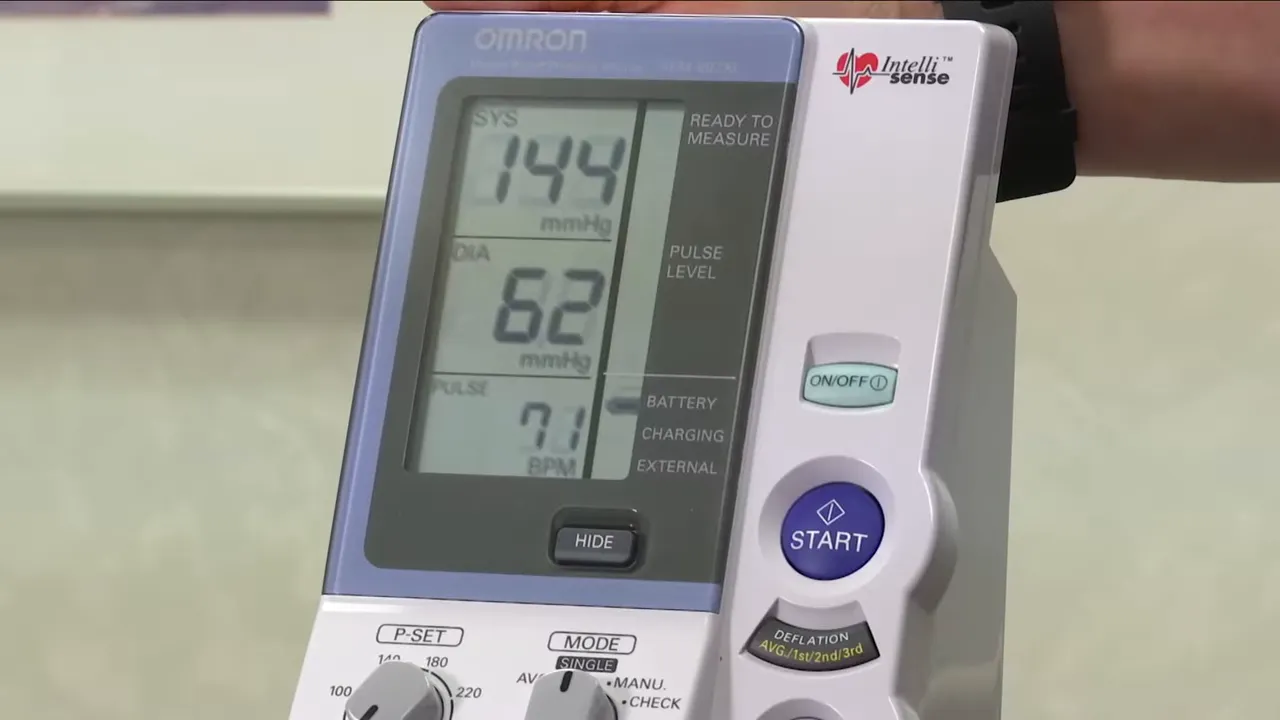
For older adults and their clinicians, the practical question is not whether blood pressure should be treated at all, but whether pushing the systolic value lower provides extra benefit that outweighs possible risks.
Who was included in the older-adult SPRINT group
The findings discussed here apply to community-dwelling adults age 75 and older. These were older adults living in the community who were able to return for ongoing medical follow-up.
They were not residents of nursing homes or assisted living facilities. That distinction matters because the results should not be automatically generalized to every older person in every care setting.
In this subgroup analysis, 2,636 individuals were assigned to either intensive treatment or standard treatment.
What the study found
The trial was designed to follow participants for five years, tracking major complications of hypertension such as stroke, heart failure, myocardial infarction, and death. But the study was stopped early, at just over 2.3 years, because the intensive-treatment group was doing better.
Among adults over 75, treating to a systolic goal of less than 120 mm Hg was associated with about a 30 percent to 35 percent lower risk of major outcomes including:
- Stroke
- Myocardial infarction
- Congestive heart failure
- Death
That is the central takeaway. In this group of older adults, a lower systolic target was not just achievable. It was associated with meaningfully better outcomes.
Did frail older adults benefit too?
Yes, according to the findings described for this subgroup. Adults over 75 who were somewhat frail appeared to benefit similarly to healthier participants.
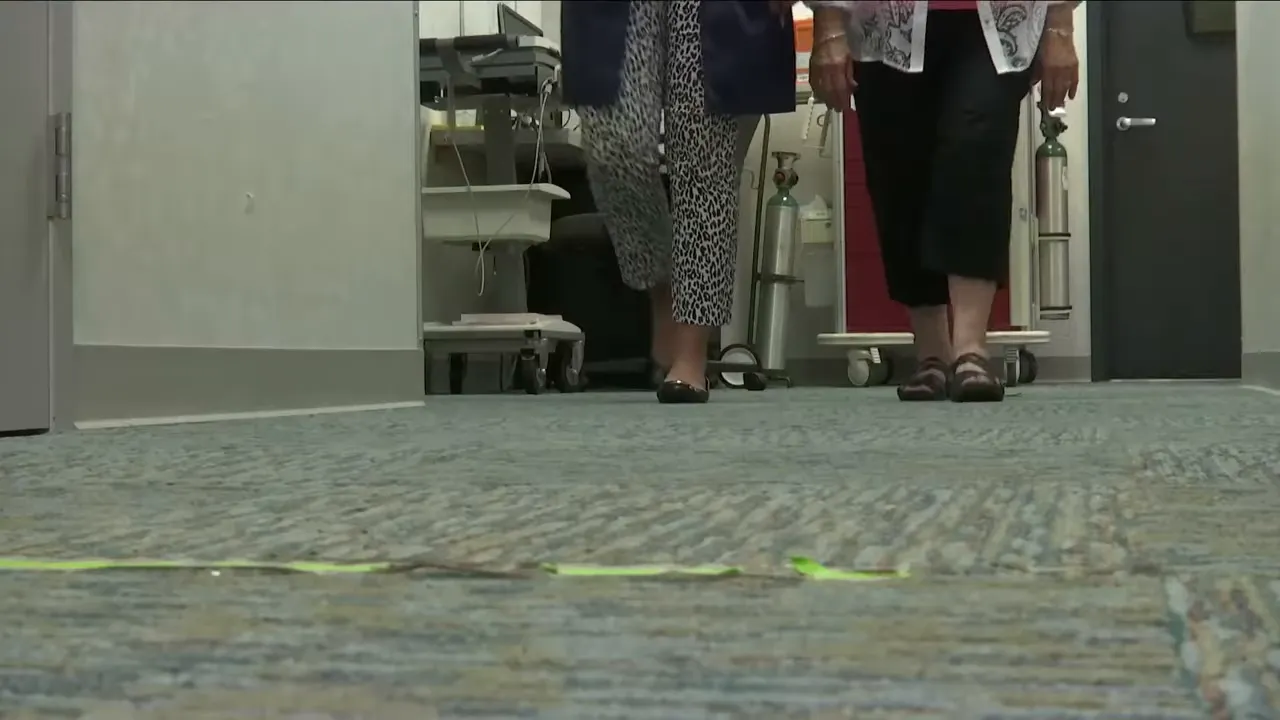
One example used was gait speed. Participants with slower walking speed had reductions in the primary outcome similar to those who walked faster. This matters because gait speed is often used as a simple marker of physical reserve and frailty in older adults.
The practical implication is that older age alone, or mild frailty alone, should not automatically exclude someone from consideration for a lower blood pressure target.
Was intensive treatment linked to more falls?
One of the biggest concerns with aggressive blood pressure treatment in older adults is the possibility of dizziness, instability, and falls. In this study group, there was no greater risk of falls in participants over 75 assigned to intensive therapy compared with standard therapy.
That finding was especially important because there had been concern in prior literature about the safety of lower blood pressure goals in older patients.
Even so, this does not mean every older adult can be treated the same way without monitoring. It means that, under the study conditions, intensive treatment did not show a higher fall risk in this population.
How many medications did intensive treatment require?
Another practical concern is medication burden. Reaching a lower systolic target did not require a dramatically different treatment approach.
According to the study details discussed, about 90 percent of the medications used were generic. On average, participants in the intensive-treatment group needed only one more medication per day than those in the standard-treatment group.
That suggests the lower target was achievable with commonly available, lower-cost medications and a modest increase in treatment intensity.
Why blood pressure measurement technique matters
One of the most important practical lessons is that blood pressure targets depend on careful, standardized measurement.
If blood pressure is measured inconsistently, readings may not reflect the same conditions used in clinical research. That can lead to over-treatment or under-treatment.
For health systems and clinics, this means improving how blood pressure is measured, especially in older adults. A lower target is most useful when the reading itself is reliable.
Questions worth asking in clinical practice include:
- Was the patient seated and resting before the reading?
- Was an appropriate cuff size used?
- Were measurements taken in a consistent way over time?
- Were treatment decisions based on standardized readings rather than a rushed single value?
Who should be cautious about applying these findings
These results are highly relevant, but they are not a blanket rule for every person over 75.
Use extra caution when applying them to people who were not represented in this subgroup, especially:
- Residents of nursing homes
- People in assisted living settings who cannot reliably attend follow-up
- Older adults whose overall care setting or health status differs greatly from community-dwelling trial participants
The results support a lower target in the population that was studied. They do not prove the same balance of benefits and risks in every older adult population.
Common mistakes when interpreting the SPRINT findings
Assuming every older adult should be pushed below 120 immediately
The findings support the benefit of an intensive target in an appropriate population, but treatment still needs to be individualized and monitored carefully.
Ignoring how blood pressure was measured
A target is only as meaningful as the method used to measure it. Poor technique can distort treatment decisions.
Assuming falls always increase with lower blood pressure treatment
In this group, intensive treatment did not show a greater risk of falls. That challenges a common assumption, although it does not remove the need for clinical caution.
Thinking intensive treatment requires many expensive drugs
The regimen relied mostly on generic medications, and the average difference was about one extra medication per day.
What these findings mean for patients and clinicians
For many adults age 75 and older living in the community, a systolic blood pressure target below 120 mm Hg may offer better protection against serious cardiovascular events and death than a target below 140 mm Hg.
The results also suggest that:
- Benefit can extend to some older adults with signs of frailty
- A lower target can be reached with mostly generic medications
- Careful measurement and follow-up are essential
- Concerns about falls should be guided by evidence, not assumption alone
What about dementia and Alzheimer disease?
The research group also continued following participants to study whether more intensive blood pressure treatment might reduce the risk of developing Alzheimer disease and other dementias.
That question was still being evaluated at the time described, so it should not be treated as a proven benefit based on these cardiovascular results alone.
Questions to discuss at a blood pressure visit after age 75
If you are reviewing blood pressure goals for an older adult, these are the most useful discussion points:
- What systolic target is being used, and why?
- Does the person fit the type of older adult studied in SPRINT?
- How is blood pressure being measured in the clinic?
- How many medications are needed to reach the goal?
- Has the person had symptoms such as lightheadedness or near-falls?
- Is the treatment plan realistic for regular follow-up?
Bottom line
For community-dwelling adults age 75 and older, intensive systolic blood pressure control to less than 120 mm Hg was associated with substantially lower risk of major cardiovascular events and death compared with a target of less than 140 mm Hg. The benefit was also seen in participants who were somewhat frail, and the study did not find a higher risk of falls in the intensive-treatment group.
The most important caveat is that these results depend on proper patient selection, consistent follow-up, and standardized blood pressure measurement. In older adults, the target matters, but so does how the number is obtained.