How to Safely Transfer a Person With Limited Mobility at Home
How to Safely Transfer a Person With Limited Mobility at Home
Photo by Johny Georgiadis on Unsplash
Helping someone move from a bed, chair, toilet, wheelchair, car, or floor can be one of the hardest parts of caregiving. It can also be one of the biggest sources of injury for both people if the transfer is rushed or done with poor body mechanics.
The safest approach is to use planning, positioning, gravity, and leverage instead of trying to lift a person with your back. The basics below cover the core home transfer skills that matter most when someone has limited mobility.
What transfer skills mean in caregiving
A transfer is any assisted move from one surface or position to another. Common examples include:
- Bed to wheelchair
- Wheelchair to toilet
- Wheelchair to car seat
- Sitting to standing
- Standing to sitting
- Lying down to sitting on the edge of the bed
- Getting up after a fall
These moves are easier and safer when the person can help even a little. If they can push with their legs, hold a grab bar, or assist with turning, that reduces strain and lowers the risk of injury.
The 3 transfer safety rules to follow every time
1. Never lift more than you can comfortably handle
If a move feels too heavy, too awkward, or unsafe, do not force it. The goal is not to pick someone up. The goal is to assist movement safely.
For your own body mechanics:
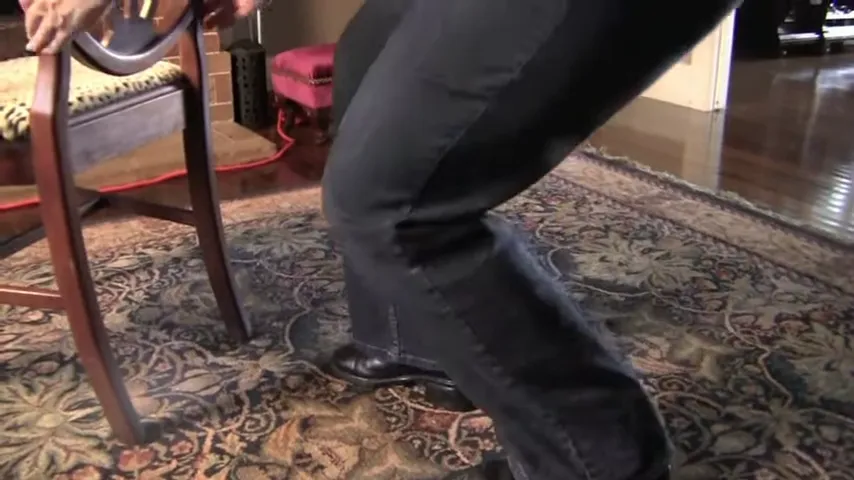
- Keep your feet about shoulder width apart
- Place one foot slightly ahead of the other for balance
- Keep your back straight
- Bend your knees slightly
- Let your legs do the work, not your back
2. Think ahead before you move
Do not begin a transfer until you know where the person is going, what obstacles are in the way, and how much help they can give.
Before moving, ask:
- Can the person bear weight?
- Can they push with their legs or arms?
- Is the path clear?
- Will footwear slip?
- Do you need equipment such as a wheelchair, grab bar, or transfer belt?
If the person can participate, let them help. Even small actions can make the move much safer.
3. Keep the distance short
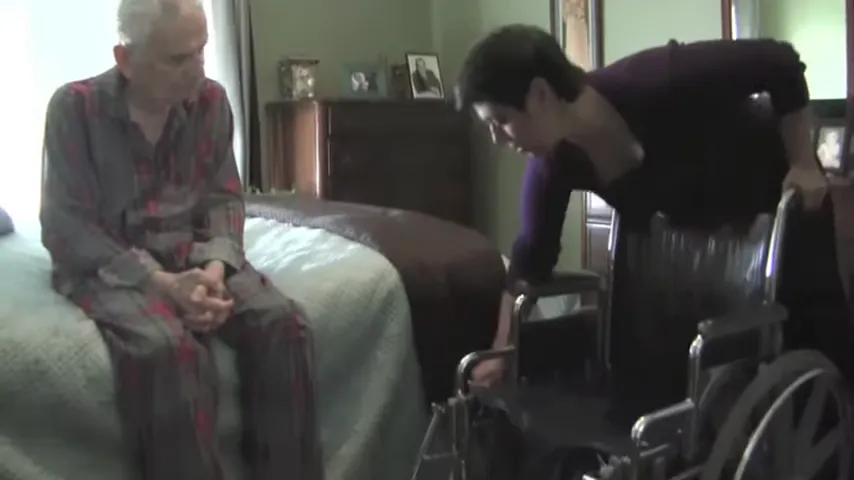
Bring the destination as close as possible. If moving from bed to wheelchair, place the wheelchair near the bed before you start. Shorter distances reduce the chance of fatigue, twisting, and loss of balance.
When using a wheelchair:
- Bring it close to the bed, toilet, or car
- Lock the brakes
- Move footrests out of the way
- Move armrests if needed and if the chair allows it
How to prepare the person before a transfer
Communication matters. Explain what you are about to do before you begin and tell the person when you will move.
Use these preparation steps:
- Tell the person the plan in simple, direct language
- Ask them to help if they are able
- Check socks or shoes for slippery soles
- Get as close to the person as you can
- Do not let them hang their arms around your neck
Arms around the neck can pull both people off balance and increase the chance of falling.
The basic standing pivot transfer
A standing pivot transfer is useful when a person can bear some weight and take part in the move.
- Position the destination close by.
- Lock wheelchair brakes and move footrests and armrests out of the way as needed.
- Stand close with a stable stance.
- Help the person rise to standing.
- Pivot your whole body toward the destination.
- Do not twist your spine while turning.
- Relax your shoulders and lower the person gently into the new seat or surface.
The key point is pivot, do not twist. Turning with your feet protects your back and gives you more control.
When and how to use a transfer belt
A transfer belt, also called a gait belt, can make assisted standing and lowering more secure. It gives you a firm place to hold at the person’s waist.
A basic transfer belt is worn around the waist and fastened snugly. A useful fit check is the two-finger rule. You should be able to slide two fingers inside the belt after tightening it. That means it is snug enough not to slip, but not overly tight.
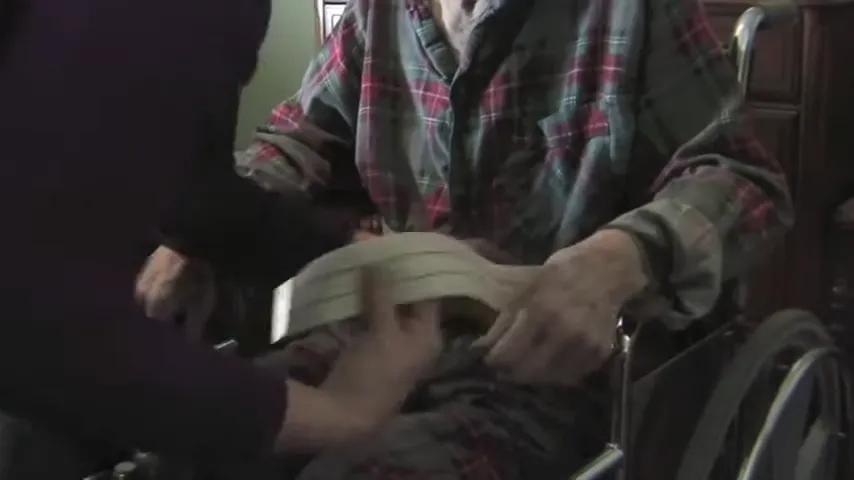
A transfer belt can help with:
- Assisting a person up to standing
- Lowering them into a chair or wheelchair
- Supporting balance during a pivot transfer
It is not a substitute for good body mechanics, planning, or professional training when the situation is complex.
How to transfer from bed to wheelchair
This is one of the most common caregiving tasks at home.
- Bring the wheelchair close to the bed.
- Lock the wheelchair brakes.
- Move footrests and armrests out of the way if possible.
- Help the person move to the edge of the bed.
- Use a stable stance and help them stand.
- Pivot toward the wheelchair.
- Lower them gently into the chair.
Keep the move short and direct. Avoid stepping too far away from the person during the transfer.
How to help someone onto the toilet
Toilet transfers can be difficult because bathrooms are small and turning space is limited. A few setup changes can make a big difference.
If possible, have the person hold a grab bar while you help with clothing and positioning. An elevated toilet seat can also help, especially when knee problems or walking difficulty make it hard to lower down or stand back up. The higher seat reduces the distance of the move.

If there is no grab bar:
- Position the wheelchair diagonally near the toilet
- Move footrests and armrests out of the way
- Assist the person to swing over to the toilet seat
- Reverse the same steps when finished
How to transfer from wheelchair to car
Car transfers require close positioning and slow, controlled movement.
- Bring the wheelchair close to the passenger seat.
- Lock the wheelchair wheels.
- Move the footrests out of the way.
- Help the person stand.
- Pivot toward the car seat.
- Lower them carefully into the seat.
- Protect the head from hitting the door frame.
- Once seated, lift the legs into the car by supporting under the knees.
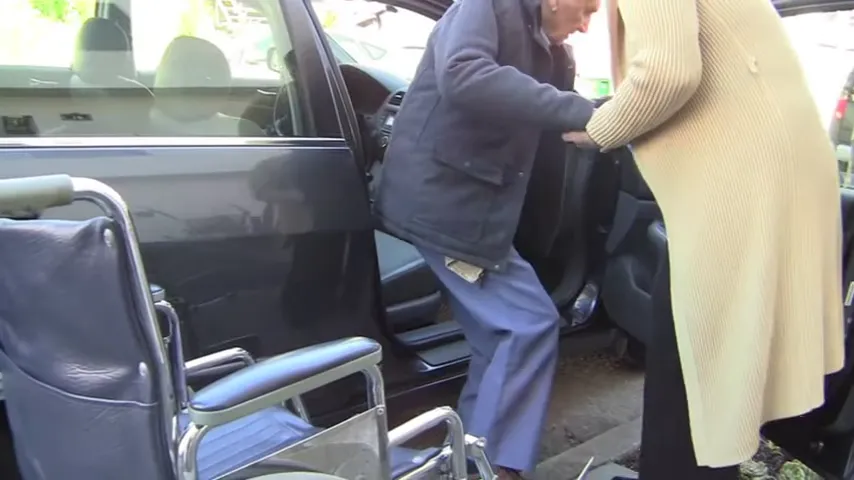
Take your time here. Door frames and narrow footwells make rushing especially risky.
How to help someone get into bed
To move a person from sitting on the side of the bed into lying down:
- Seat the person on the bed’s edge as far back as possible.
- Lift and swing the legs onto the bed.
- This leg movement helps the upper body roll into position.
- Once the person is flat, place a small pillow under the head to support the natural curve of the spine.
If the person needs to be moved higher up in bed, ask them to help by bending the knees and, if able, pushing against the mattress.
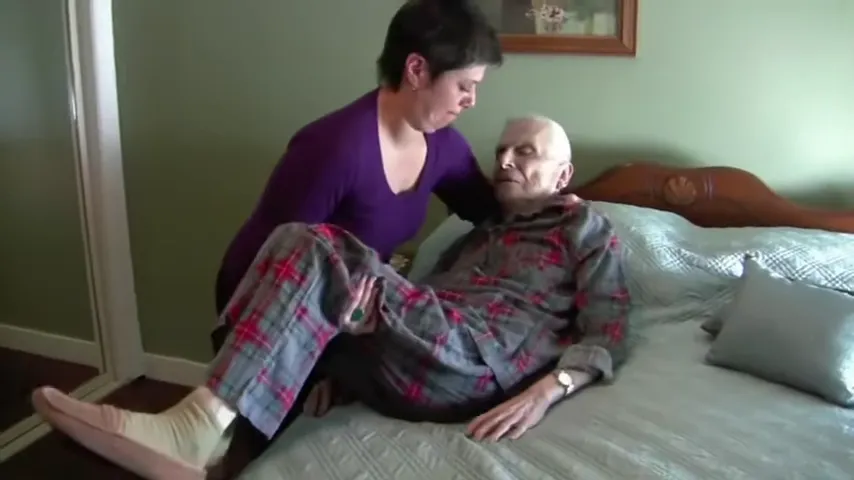
How to help someone sit up on the edge of the bed
Getting from lying down to sitting is another common transfer that should be done in one coordinated motion.
A simple method is to support:
- One arm under the shoulder blades
- The other arm under the knees
Then bring the legs over the side of the bed while lifting the upper body into sitting. Tell the person exactly when you will move so they can assist if able.
What to do if the person starts to fall during a transfer
If the person begins a slow slide to the floor while you are assisting, do not fight to hold all of their weight up. Instead, guide them down gently.
Trying to stop a full fall with your back or arms can injure both of you.
If the fall is hard or there may be an injury, get professional help right away and call 911.
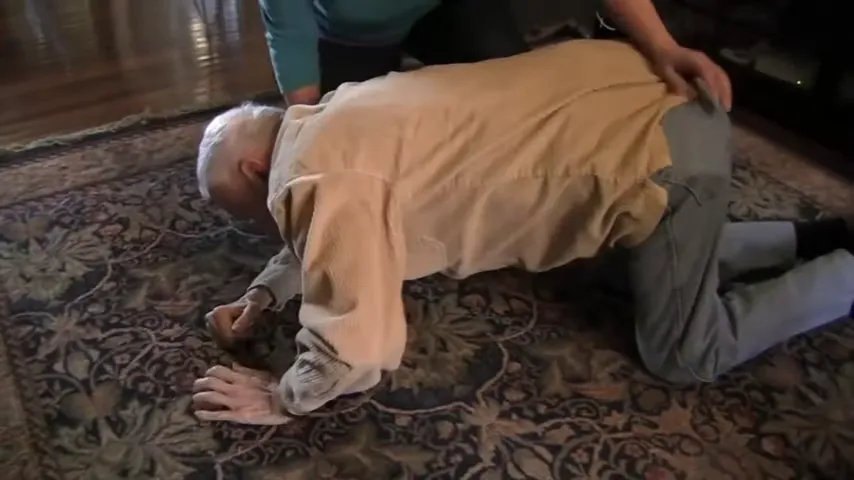
How to help someone get up from the floor after a fall
This may be possible only if the person does not normally rely on a wheelchair and can follow directions and assist with the move.
- Help the person get onto hands and knees.
- Bring the stronger foot forward into a half-kneeling position.
- Place a sturdy chair or other stable object in front of them.
- Help them pull up with their arms while pushing off the stronger foot.
- Assist them into standing with both feet together.
If you are unsure whether it is safe to proceed, do not force the move. Seek medical or professional assistance.
Common transfer mistakes to avoid
- Trying to lift instead of assist. Use leverage and positioning, not brute force.
- Twisting your back. Pivot your feet toward the destination.
- Starting without a plan. Know the route, the destination, and the person’s role.
- Placing the wheelchair too far away. Keep the transfer distance short.
- Forgetting to lock wheelchair brakes. This can cause the chair to move during the transfer.
- Leaving footrests in the way. Clear obstacles first.
- Allowing slippery socks or shoes. Check traction before standing.
- Letting the person hang onto your neck. This creates instability and increases fall risk.
- Trying to stop a hard fall alone. Guide down if possible, then get help when needed.
When to ask for professional guidance
Home transfers vary a lot depending on strength, pain, balance, confusion, and medical conditions. Professional advice is especially important if:
- The person cannot bear weight
- You have nearly fallen during previous transfers
- You are having pain during caregiving tasks
- The person has frequent falls
- You think equipment might be needed
A doctor, physical therapist, or occupational therapist can recommend the safest transfer method and suggest equipment that fits the situation.
Protecting your own health as a caregiver
Transfer skills are not only about the person receiving help. They are also about protecting the caregiver from back strain, falls, and exhaustion.
Pay attention to signs that the task is becoming too much, such as:
- Back or shoulder pain
- Fear during transfers
- Increasing difficulty controlling the person’s movement
- Fatigue from repeated repositioning
Safe caregiving depends on taking care of your own body too.
Quick transfer checklist
- Explain the move before starting
- Check how much the person can help
- Use stable footing and bend your knees
- Keep your back straight
- Bring the destination close
- Lock wheelchair brakes
- Move footrests and armrests out of the way
- Check for slippery socks or shoes
- Pivot instead of twisting
- Lower gently and in control
Bottom line
Safe transfers at home rely on a few core principles: never lift more than you can handle, think ahead, keep the distance short, and use good body mechanics. Whether you are helping someone move to a wheelchair, toilet, car, bed, or up from the floor, control and preparation matter more than strength.
If a transfer does not feel safe, stop and get professional advice before trying again.