How to Prevent Falls at Home for Older Adults and High-Risk Patients
How to Prevent Falls at Home for Older Adults and High-Risk Patients

Photo by Mobio Marketing on Unsplash
Fall prevention at home starts with two things: improving physical stability and making the environment safer. For older adults and people with limited mobility, a few practical changes can reduce the risk of slipping, tripping, or losing balance during everyday movement.
This guide covers the key strategies that matter most, including exercise, grab bars and rails, safer flooring, clutter-free walkways, supportive seating, and mobility aids.
Why fall prevention matters
People with reduced strength, poor balance, limited vision, or difficulty reaching objects are more likely to fall. The risk can be even higher in later life, when bone strength may decline and injuries from a fall can become more serious.
That is why prevention is not just about reacting after a close call. It is about creating a home setup that supports safer movement every day.
The most effective ways to prevent falls
1. Encourage regular exercise
One of the most important steps is regular exercise. Movement helps build leg strength, which supports standing, walking, and changing positions safely.
Weight-bearing activity may also help support bone strength, which is especially important for older adults who may face a higher risk of osteoporosis.
Focus on activities that improve:
- Leg strength
- Balance
- Ability to stand and walk steadily
- General physical support for daily movement
If the person has medical limitations, use only activities that are appropriate for their condition.
2. Install support rails where balance is needed most
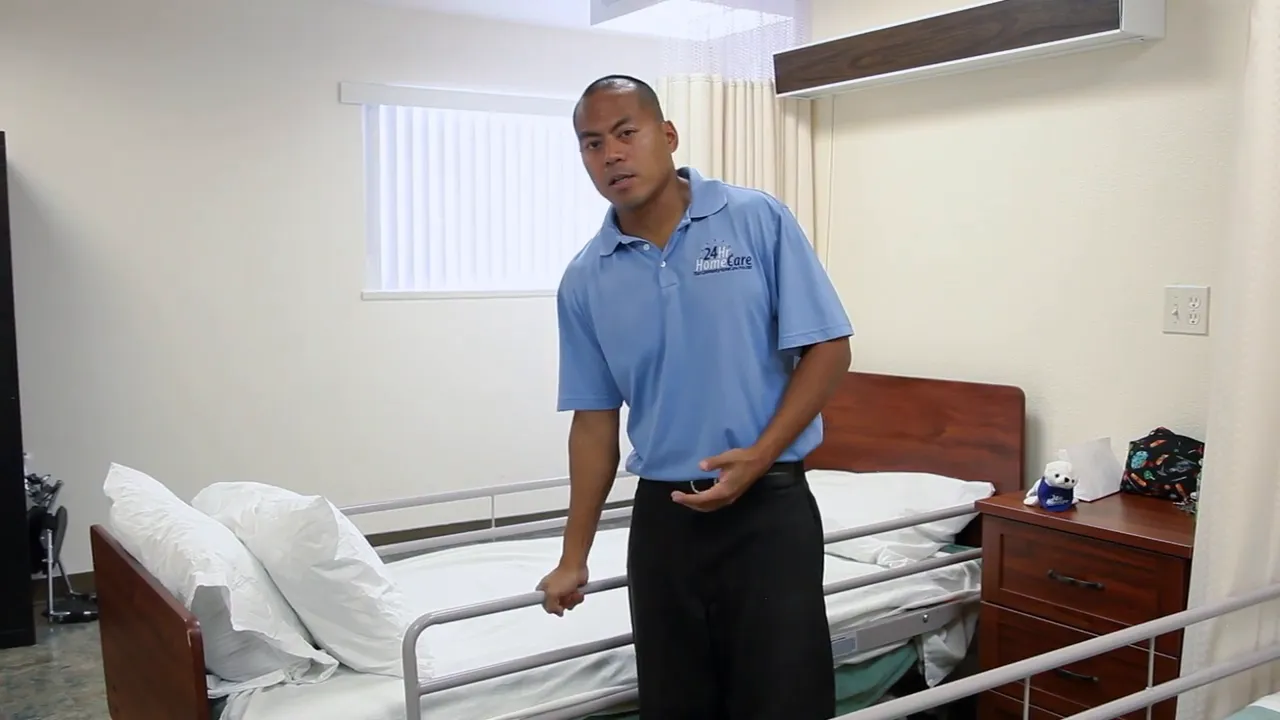
Support rails, often called guard rails or grab bars, can give someone a stable handhold when moving through the home.
Useful locations include:
- Near the bathroom
- Along hallways
- In the living room
- In or near the kitchen
- Beside the bed
- Along stairs
The goal is simple: give the person something sturdy enough to help them stay upright and support themselves during transfers or walking.
3. Reduce slippery surfaces
Slipping is a major cause of falls, so traction matters. Floors and shoes should work together to create as much grip as possible.
Important points:
- Use non-slip shoes with good grip.
- Avoid very slick or overly smooth floor surfaces.
- Choose flooring or floor treatments that improve traction when possible.
If a person is unsteady on their feet, even a small loss of traction can lead to a fall.
4. Keep walkways clear
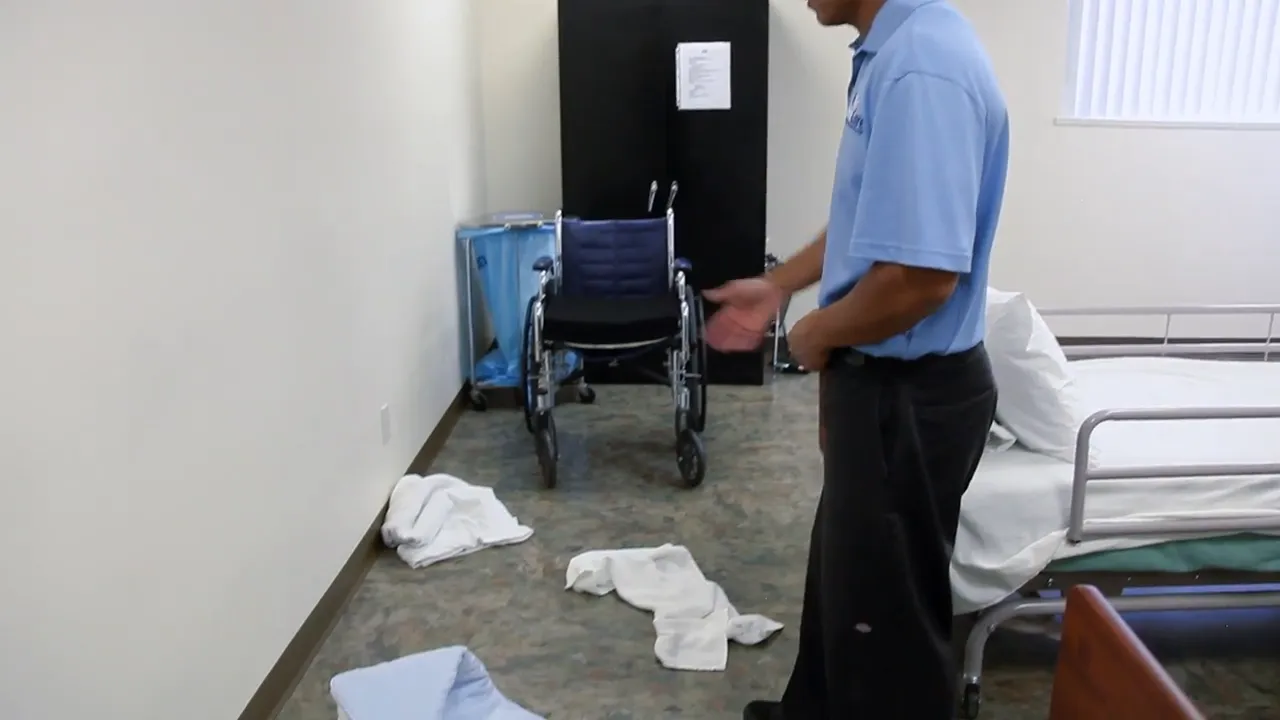
Clear walking paths are essential. Obstacles on the floor create an immediate trip hazard, especially for people who cannot see well or have trouble bending and reaching.
Walkways should be free of:
- Clothing
- Linens or towels
- Loose items on the floor
- Anything that narrows the path of travel
The safest setup is a long, open, unobstructed path from room to room.
5. Use chairs with arms and support
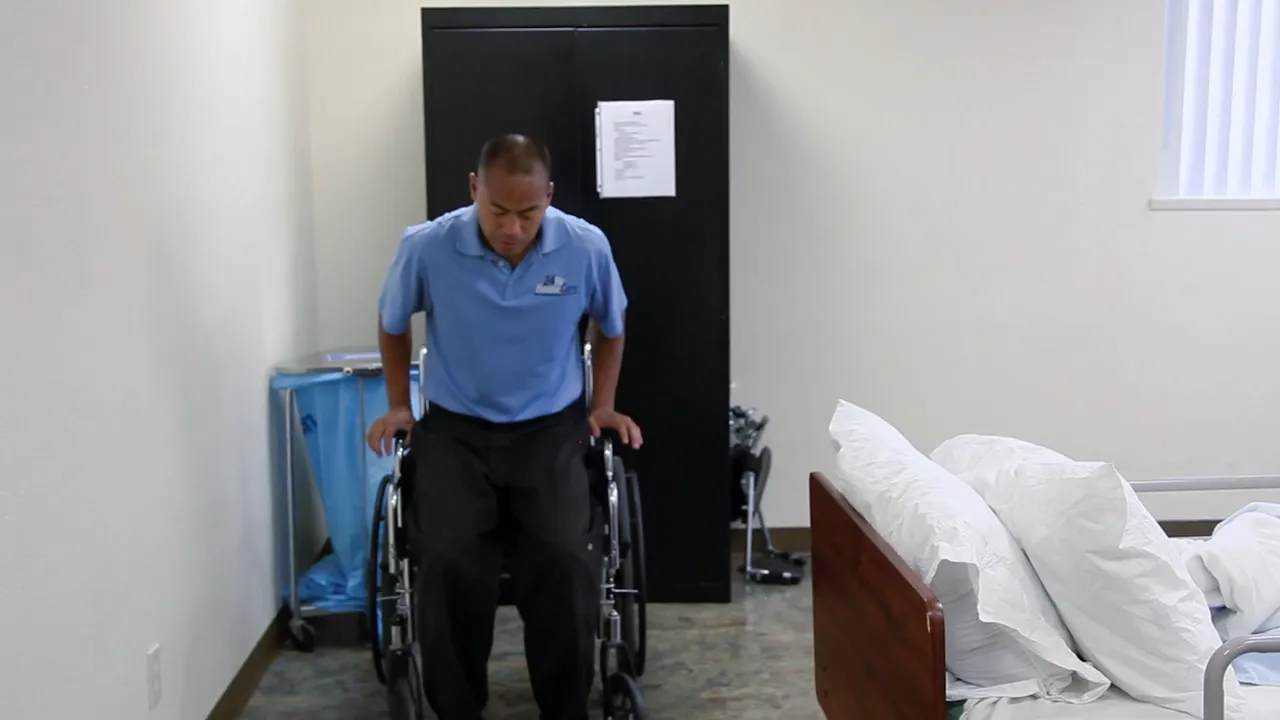
Seating choice affects fall risk more than many people realize. A good chair should help the person sit down and stand up more safely.
Look for chairs with:
- Armrests
- Stable support
- A design that allows the person to push up with their arms
This can reduce the strain on weak legs and make transfers more controlled.
6. Use mobility aids when needed
If walking is not safe without help, the person should use an assistive device. Depending on their needs, that may include:
- Cane
- Walker
- Crutch
- Wheelchair for mobility and transfers when appropriate
The key is not to delay using a mobility aid after balance problems appear. Extra support can prevent a serious fall.
Where falls commonly happen in the home
High-risk areas usually include places where someone must turn, transfer, or navigate a narrow space. Based on the safety principles above, pay special attention to:
- Bedroom, especially around the bed
- Bathroom, where stable rails are especially important
- Hallways, which should remain open and easy to move through
- Kitchen, where frequent reaching and turning can create problems
- Stairs, where rail support is critical
Simple home fall prevention checklist
- Encourage regular strength-building and weight-bearing activity when appropriate.
- Install support rails near key walking and transfer areas.
- Make sure floors are not excessively slick.
- Choose non-slip footwear with good traction.
- Remove objects from walkways and keep floors clear.
- Use chairs with arms for easier sitting and standing.
- Use canes, walkers, crutches, or a wheelchair when extra support is needed.
- Check stairs for dependable hand support.
Common mistakes that increase fall risk
- Leaving items on the floor. Even soft objects like towels or clothing can cause tripping.
- Ignoring weak balance. If someone needs support, waiting too long to add rails or mobility aids can lead to a preventable fall.
- Using slick shoes or surfaces. Poor traction makes every step riskier.
- Choosing unsupportive chairs. A chair without arms can make standing much harder.
- Overlooking routine movement. Reduced strength in the legs can make normal daily tasks less safe over time.
Who should use these fall prevention strategies?
These steps are especially useful for:
- Older adults
- People with mobility limitations
- Anyone with balance problems
- People who have trouble seeing obstacles clearly
- Individuals who need support getting in and out of bed or chairs
Quick takeaway
The best fall prevention plan combines strength, support, traction, and clear space. Help the person stay physically supported through exercise, give them sturdy rails and seating, improve grip underfoot, and remove anything that could cause a trip.
Small environmental changes can make everyday movement much safer.