How to Manage Behavior Changes in Alzheimer’s Disease
How to Manage Behavior Changes in Alzheimer’s Disease

Photo by Age Cymru on Unsplash
Behavior changes are common in Alzheimer’s disease, and they can be one of the hardest parts of daily care. A person may become upset more easily, wander, hide things, sleep poorly, or seem to believe things that are not happening. These changes are part of the disease process, not a deliberate choice.
For families and caregivers, the goal is not to control every behavior. It is to reduce stress, respond calmly, and make daily life safer and more comfortable for everyone involved.
What behavior changes can happen with Alzheimer’s?
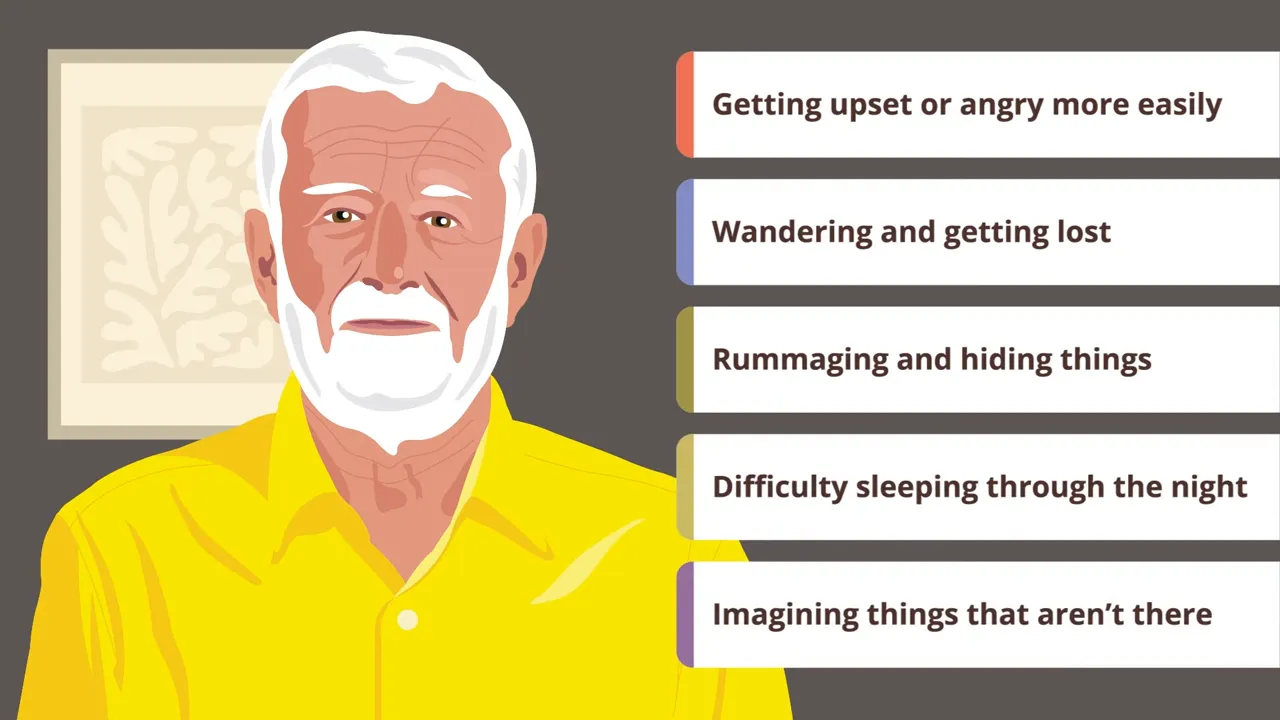
Alzheimer’s disease slowly affects memory, thinking, and behavior. As those changes progress, common challenges may include:
- Getting upset or angry more easily
- Wandering or getting lost
- Rummaging or hiding belongings
- Trouble sleeping through the night
- Imagining things that are not there
These behaviors can feel personal in the moment, but it helps to remember that the disease is driving the change.
Why behavior changes happen
Sometimes there is a clear trigger. A person may forget where they placed an item and believe someone moved or took it. At other times, the cause may be harder to identify.
Looking for a reason matters because the best response often depends on what is behind the behavior. The person may be confused, overstimulated, restless, or simply reacting to a change in routine.
Six practical ways to manage challenging behaviors
1. Stay patient and avoid showing frustration
If the person seems upset, respond with a calm voice. Listen to what they are expressing, even if the facts are confused. Reassure them that you are there to help.
Arguing usually makes the situation worse. Trying to prove someone wrong when they are distressed can increase fear, anger, or agitation.
Helpful approach:
- Speak slowly and calmly
- Acknowledge the emotion first
- Offer reassurance instead of correction
- Pause before reacting if you feel frustrated
2. Try to understand the cause of the behavior
Challenging behavior often has a reason behind it. Before reacting, ask what may have triggered the moment.
For example, if someone becomes upset about a missing object, it may be because they forgot where they placed it. In that case, helping them look for it is more useful than arguing about whether it was moved.
Questions to ask yourself:
- Did something just change?
- Are they looking for a familiar item?
- Do they seem confused about where they are or what is happening?
- Did the behavior start at a certain time of day?
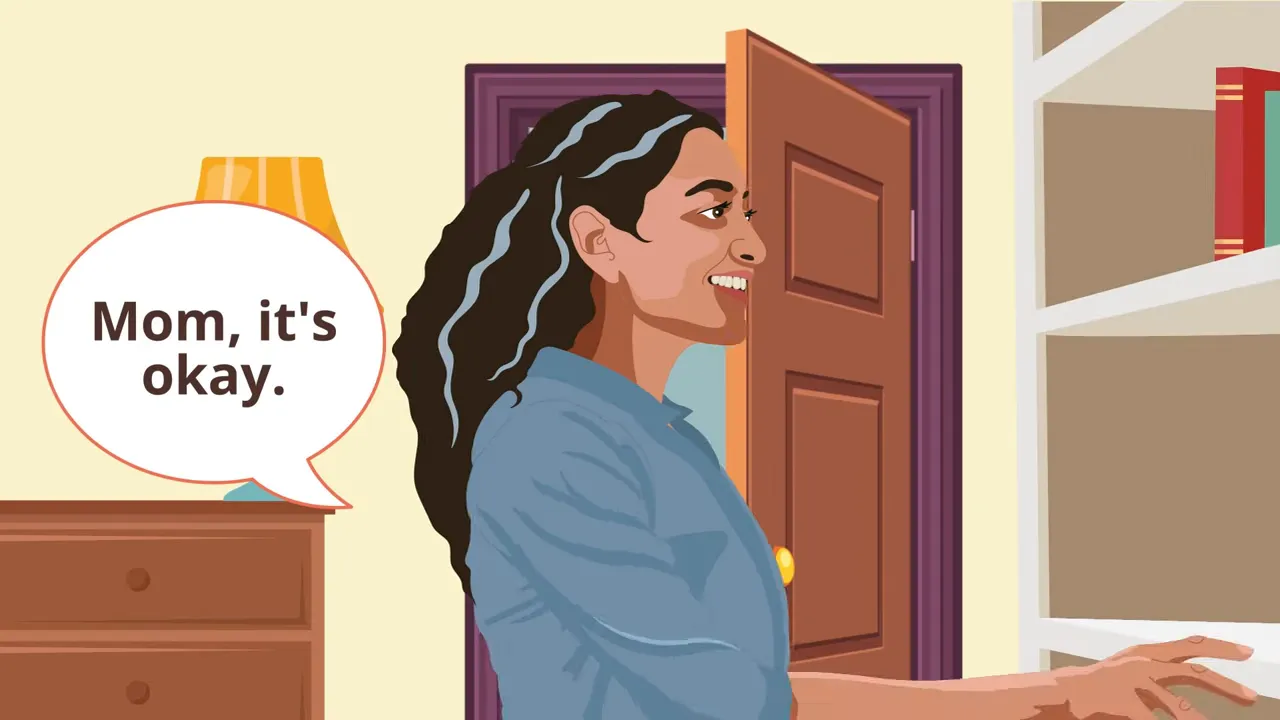
3. Redirect attention to an object or activity
When a person is agitated or restless, changing focus can help interrupt the cycle. A simple, familiar activity may lower stress and make the situation easier to manage.
Options mentioned include:
- Watching a favorite TV show
- Listening to music
- Going for a walk
- Reading a book
- Doing a household chore together
The key is to choose something comforting and easy to engage with rather than something demanding.
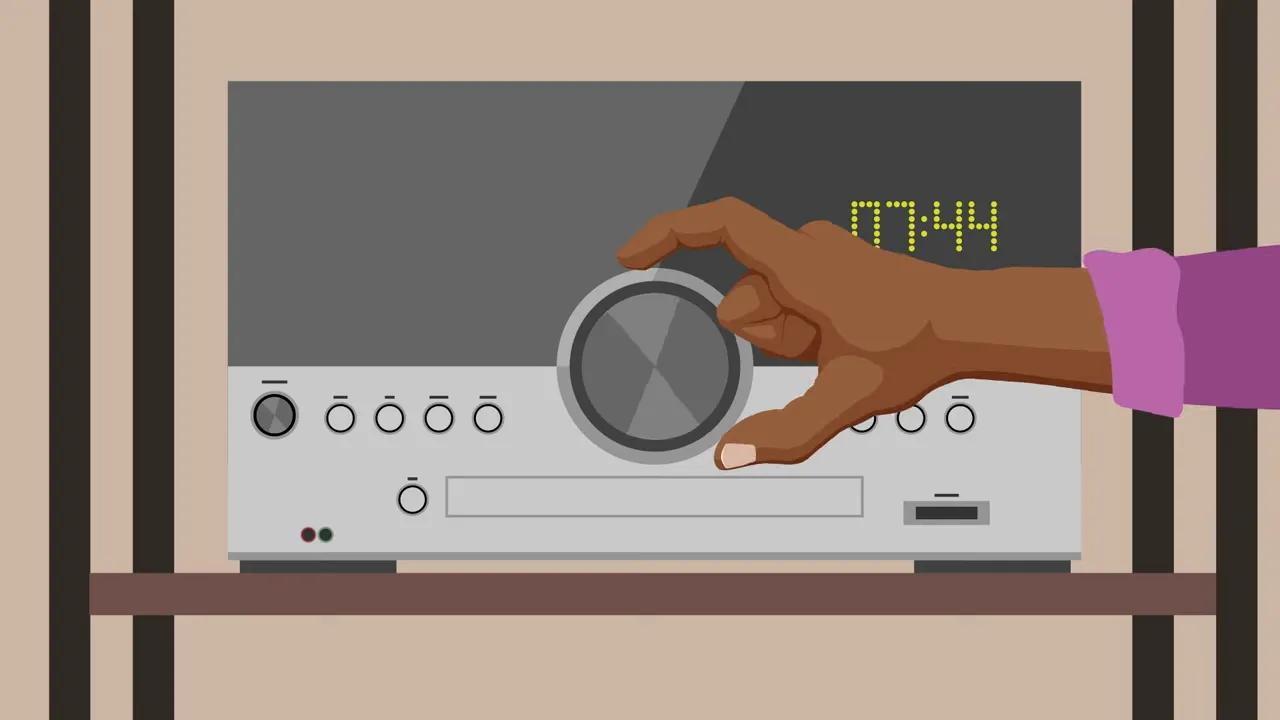
4. Create a comforting home setting
A familiar, predictable environment can reduce distress. Routine matters. Try to keep daily activities such as bathing, dressing, and meals at roughly the same time each day.
The home environment also plays a role. Reducing noise and clutter may help lower confusion. Keeping favorite objects and personal photos around can make the space feel more secure and recognizable.
Ways to make the home more comforting:
- Keep a regular daily schedule
- Reduce excess noise
- Clear unnecessary clutter
- Display familiar photos and cherished items

5. Build in physical activity
Physical activity supports more than physical health. It may also improve mood and help with sleep.
Activity does not need to be complicated. A walk is one practical example. What matters is finding a safe, manageable way to move regularly.

6. Make safety a daily priority
Some behaviors can create immediate safety risks, especially wandering and rummaging. Planning ahead can reduce danger.
Important safety steps include:
- Make sure the person carries identification or wears a medical bracelet with contact information
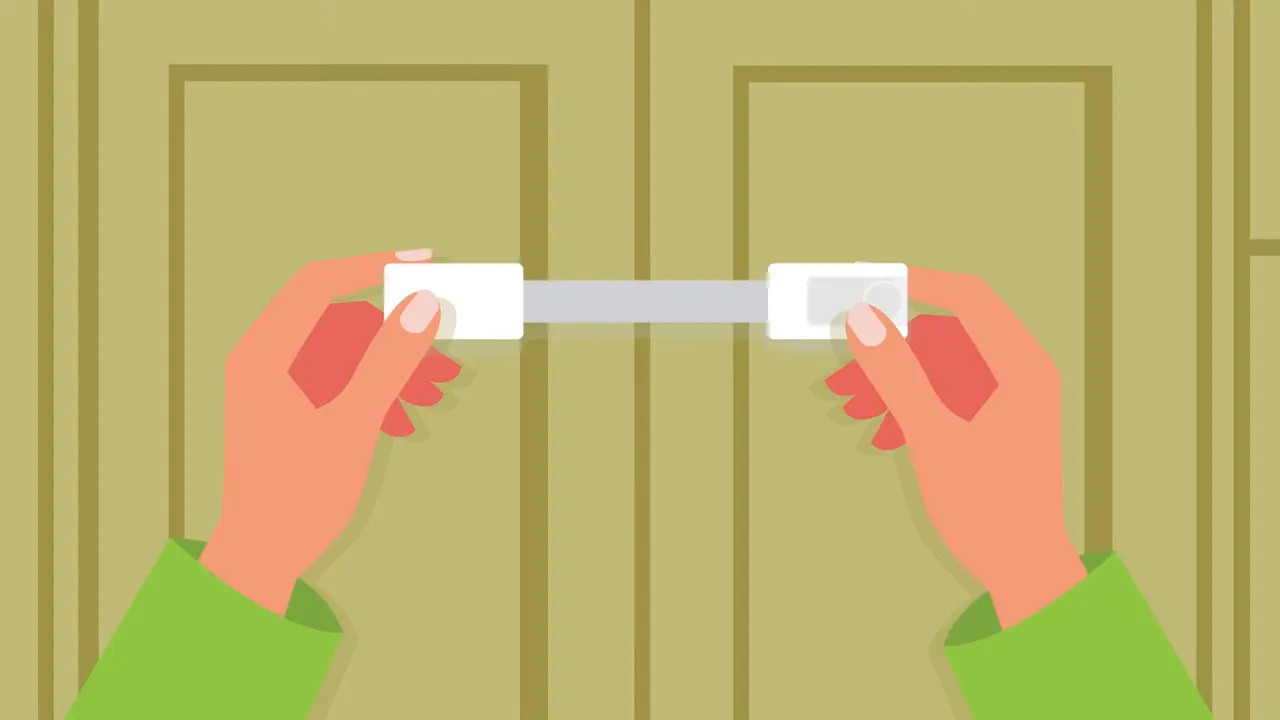
- Lock up dangerous items
- Move hazardous objects out of sight and out of reach
These steps can help protect the person without making the home feel harsh or restrictive.
Common mistakes to avoid
- Arguing about facts. Correcting every mistaken belief can increase distress.
- Showing visible frustration. Tone and body language can escalate the moment quickly.
- Ignoring patterns. Repeated behaviors may have triggers, and noticing them can help you respond better.
- Keeping a chaotic environment. Noise, clutter, and unpredictable routines can make behavior changes harder to manage.
- Waiting too long to address safety risks. Wandering or access to dangerous items should be handled proactively.
When to talk with a doctor
If behavior changes get worse or you are concerned about the person’s well-being, contact a doctor. Medical guidance may be needed to discuss medications or other treatments that could help.
This step is especially important when behaviors become more frequent, more intense, or harder to manage safely at home.

Quick response checklist for caregivers
- Stay calm and keep your voice gentle
- Do not argue
- Look for the likely cause
- Reassure the person that you will help
- Redirect to a familiar object or activity
- Maintain routine when possible
- Support physical activity
- Address safety risks in advance
- Talk with a doctor if behaviors worsen
Takeaway
You may not be able to stop every behavior caused by Alzheimer’s disease. But you can prepare for them, respond in ways that lower stress, and create a safer, more supportive routine. Patience, reassurance, redirection, comfort, movement, and safety planning are often the most practical tools for everyday care.