How to Make a Bathroom Safer for Seniors
How to Make a Bathroom Safer for Seniors

A safer bathroom can reduce fall risk, make daily routines easier, and help older adults maintain independence. The most effective changes are usually simple: improve traction, add support where transfers happen, make bathing easier while seated, and improve visibility.
If you are planning bathroom safety modifications for an older adult, focus first on the areas where slips and strain are most likely to happen: the tub or shower, the toilet, wet floors, and nighttime access.
Why bathroom safety matters for older adults
Bathrooms combine several risk factors in one small space. Floors get wet, surfaces can be slippery, and common movements like stepping into a tub, lowering onto a toilet, or reaching for toiletries can become harder with age.
A good senior-friendly bathroom setup should help with:
- Slip prevention
- Safer sitting and standing
- Easier bathing
- Reduced bending and reaching
- Better visibility, especially at night
The most important bathroom safety modifications for seniors
1. Add non-slip protection inside the tub or shower
One of the most practical upgrades is adding textured non-slip strips in the bathtub and shower area. These help create traction underfoot where the floor is most dangerous.
Space the strips about 3 inches apart so the surface has consistent grip without large smooth gaps between them.

This change is especially useful for anyone who feels unsteady while turning, stepping in, or shifting weight during bathing.
2. Install grab bars near the toilet and bathtub
Grab bars provide stable hand support during transfers and balance changes. Place them in both of these key locations:
- At the toilet for sitting down and standing up
- At the bathtub for entering, exiting, and steadying during bathing
For grip support, mount them at a 45-degree angle. This angle can help create a more natural hand position when moving between standing and seated positions.
These bars are not just for emergencies. They are daily-use supports that can reduce strain and increase confidence.
3. Use a shower chair with rubber feet
A shower chair makes bathing safer for seniors who tire easily, have balance concerns, or struggle to stand for long periods. Choose one with rubber feet to improve stability.
Place it near the bathtub edge so bathing can be done while seated. Sitting reduces the risk that comes with standing on a wet surface and can make washing much more manageable.
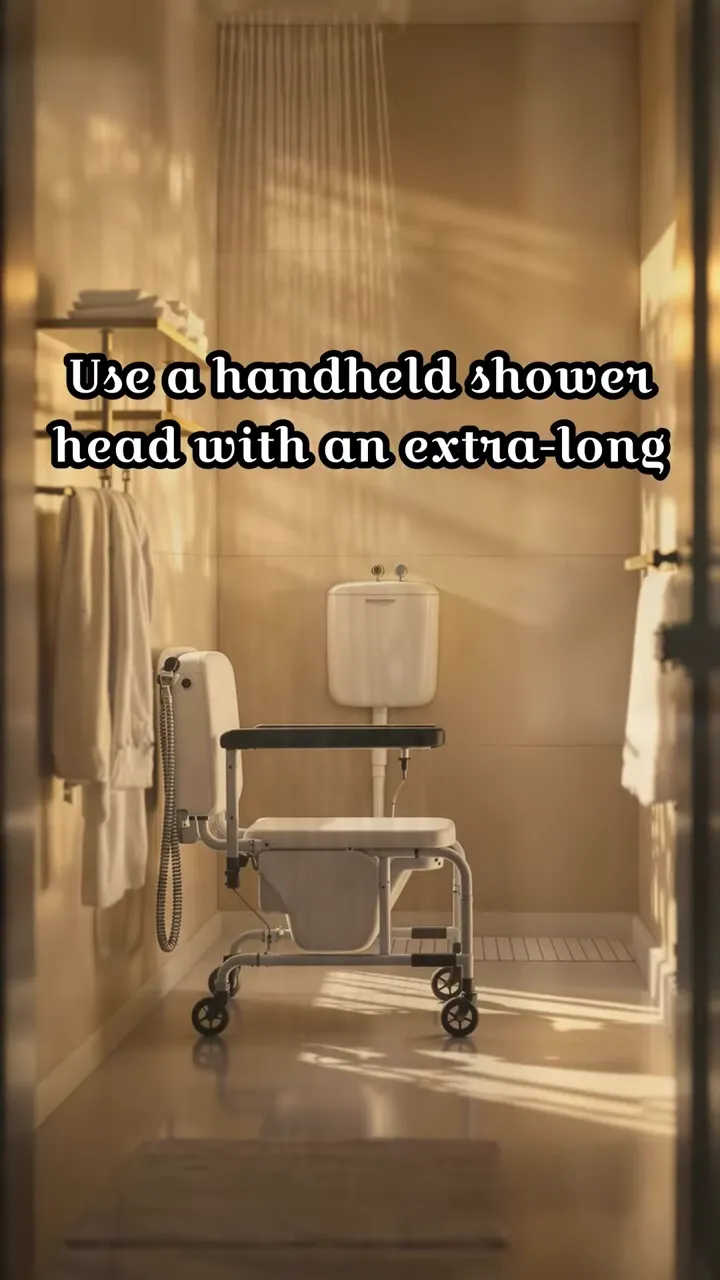
4. Switch to a handheld shower head with a long hose
A handheld shower head is especially helpful when using a shower chair. An extra-long hose makes it easier to direct water where needed without awkward twisting or overreaching.
This setup supports safer seated bathing and can be much easier to manage than a fixed overhead shower head alone.
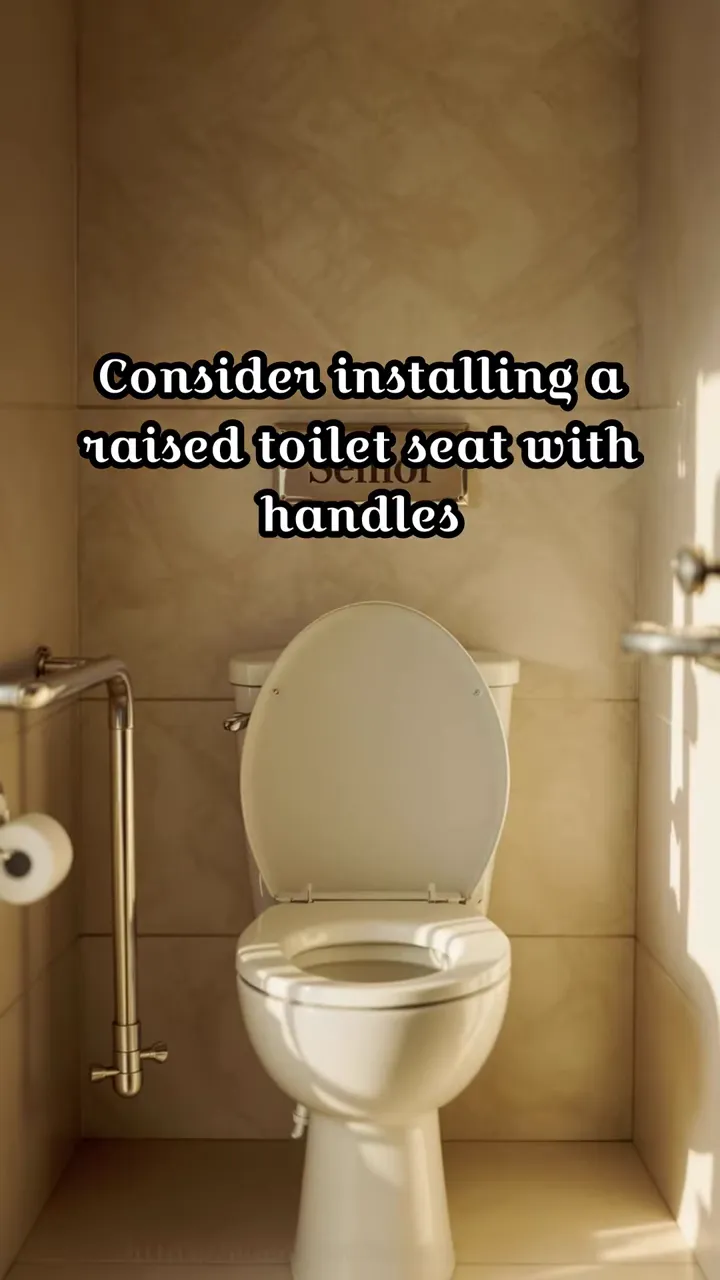
5. Consider a raised toilet seat with handles
Standing up from a low toilet can put extra strain on the knees, hips, and lower body. A raised toilet seat with handles can reduce that strain and make transfers easier.
This can be a valuable option for seniors with reduced strength, mobility limitations, or discomfort when rising from seated positions.
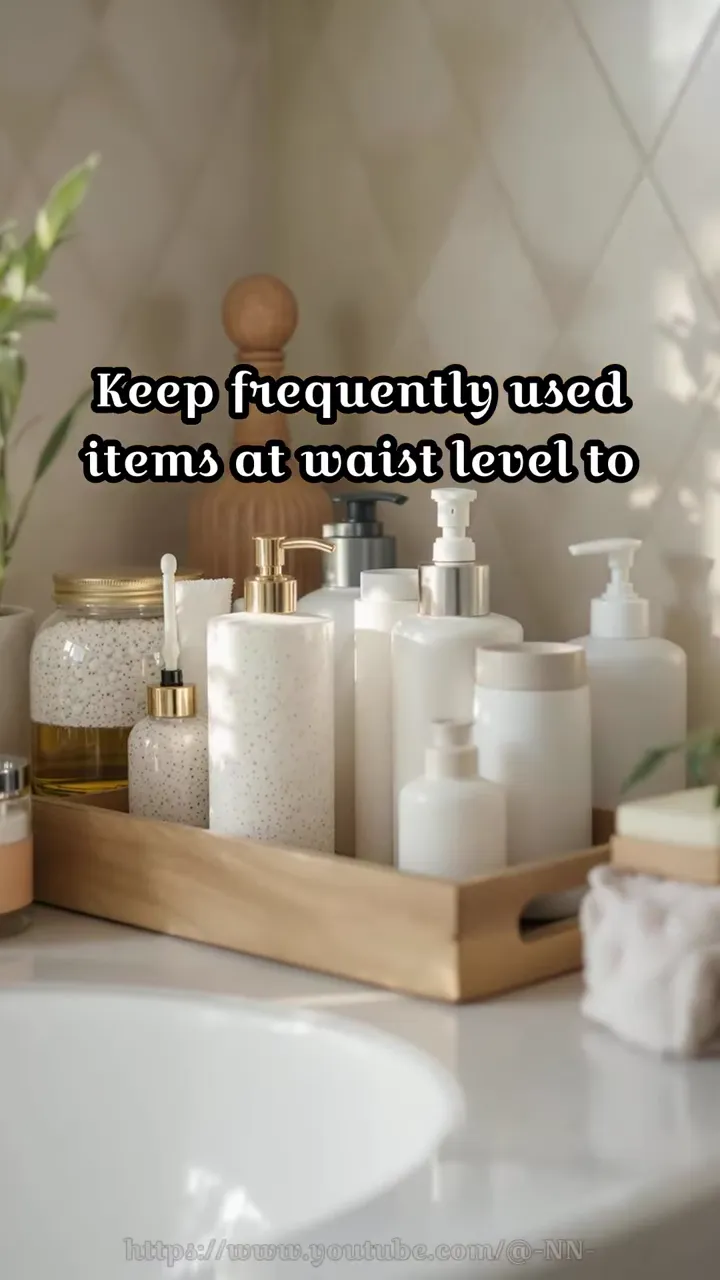
6. Store daily essentials at waist level
Keep frequently used items at waist level to reduce bending, stretching, and reaching. This includes items like:
- Soap
- Shampoo
- Toothbrushes
- Toothpaste
- Skincare products
- Toilet paper backups
The goal is to make routine tasks easier without forcing awkward movements that can lead to loss of balance.
7. Put a non-slip bath mat outside the tub
Water on the floor is a common cause of bathroom falls. Place a non-slip bath mat with suction cups outside the tub to help prevent slipping after bathing.
This mat should stay securely in place and provide traction when stepping out onto wet flooring.
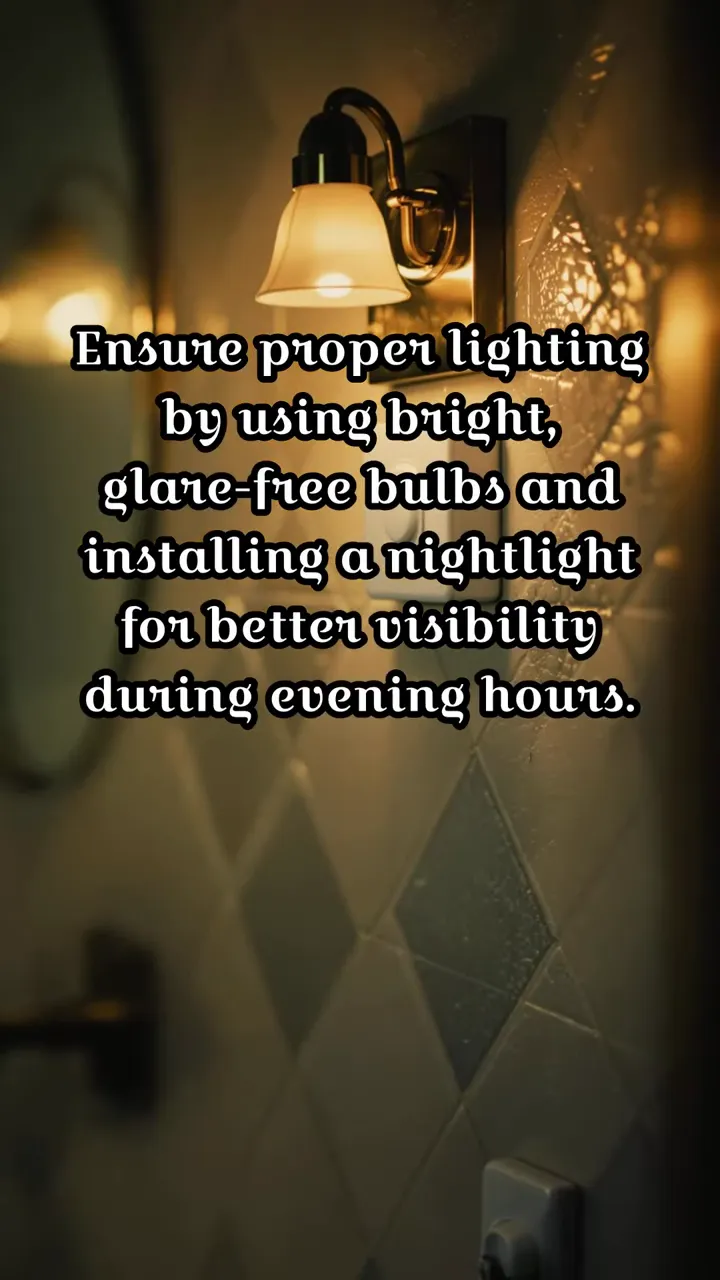
8. Improve lighting and nighttime visibility
Lighting is often overlooked, but it plays a major role in bathroom safety. Use bright, glare-free bulbs so the room is easy to see without harsh reflection.
Also install a nightlight to improve visibility during evening hours. This can help with safe navigation during nighttime bathroom trips when the eyes are still adjusting to darkness.
A simple senior bathroom safety checklist
Use this quick checklist when evaluating a bathroom:
- Inside tub or shower: textured non-slip strips installed
- Near toilet: grab bar or support in place
- Near bathtub: grab bar installed for entry and exit
- Bathing setup: shower chair with rubber feet available
- Shower access: handheld shower head with long hose
- Toilet comfort: raised toilet seat with handles if needed
- Storage: everyday items kept at waist level
- Outside tub: non-slip bath mat with suction cups
- Visibility: bright glare-free lighting and a nightlight
Which upgrades should come first?
If you cannot do everything at once, prioritize the highest-risk areas first:
- Non-slip protection in the tub or shower
- Grab bars at the toilet and bathtub
- Non-slip mat outside the tub
- Better lighting and a nightlight
- Shower chair and handheld shower head
- Raised toilet seat with handles if standing is difficult
This order addresses the most common slip and transfer risks first.
Common bathroom safety mistakes to avoid
Relying only on one change
One improvement rarely solves the whole problem. For example, a grab bar helps, but the floor can still be slippery. A safer bathroom usually needs a combination of traction, support, and visibility.
Leaving essentials too high or too low
If frequently used items are stored in awkward places, the user may still bend, twist, or reach too far. Keep daily-use products within easy reach at waist level.
Ignoring nighttime use
Many bathrooms are reasonably safe during the day but hard to navigate at night. A nightlight and glare-free lighting can make a real difference.
Using seating without stable feet
If a shower chair does not have rubber feet, it may not provide the same level of grip and stability on wet surfaces.
Who benefits most from these changes?
These bathroom safety upgrades are especially useful for older adults who:
- Feel unsteady on wet floors
- Have difficulty stepping into a tub
- Need support sitting down or standing up
- Get tired during bathing
- Have trouble seeing clearly in dim lighting
- Want to age in place more safely
Practical next steps
Start by walking through the bathroom and identifying every point where slipping, reaching, or standing up feels difficult. Then make targeted changes in those areas.
For most homes, the biggest improvements come from:
- Adding traction in and around the tub
- Installing grab bars at transfer points
- Making seated bathing easier
- Reducing the need to bend or stretch
- Improving visibility at all hours
Even a few well-chosen modifications can make the bathroom safer, more comfortable, and easier to use every day.