How to Help Someone With Dementia Who Refuses to Bathe
How to Help Someone With Dementia Who Refuses to Bathe

Photo by alex Roosso on Unsplash
Bath refusal is common in dementia care. A person who once bathed regularly may begin avoiding showers, resisting help, or becoming upset around water. This is not simply stubbornness. Bathing can feel confusing, frightening, uncomfortable, or too personal.
The most effective approach is to reduce fear, protect dignity, and make bathing feel safer and more familiar. Small changes in language, timing, setup, and technique can make a major difference.
Why bathing becomes difficult with dementia
As dementia progresses, bathing may feel overwhelming for several reasons:
- It is a private activity. Needing help with washing can feel embarrassing or intrusive.
- Water may feel scary. The person may say they are afraid of the water or become distressed by the sensation.
- The bathroom may feel unsafe. Slippery surfaces, echoing sound, and strong water pressure can increase anxiety.
- Too many instructions at once can trigger resistance. A rushed or forceful approach often leads to arguing or withdrawal.
Understanding the fear behind the refusal helps caregivers respond with more patience and less confrontation.
What not to do when a person with dementia refuses a bath
Some common responses can make the situation worse, even when they come from a good place.
- Do not argue about whether a bath is needed.
- Do not rush the person or give several instructions at once.
- Do not grab, push, or undress the person without preparing them.
- Do not insist on a specific time if that time regularly causes distress.
- Do not use words that already trigger anxiety, if alternatives work better.
If the person becomes upset, pause and reset instead of escalating.
A better approach: make bathing feel safe, calm, and respectful
When helping someone with dementia bathe, focus on three goals:
- Preserve dignity
- Lower anxiety
- Support as much independence as possible
This often works better than trying to convince the person with logic.
Practical strategies that can reduce bath refusal
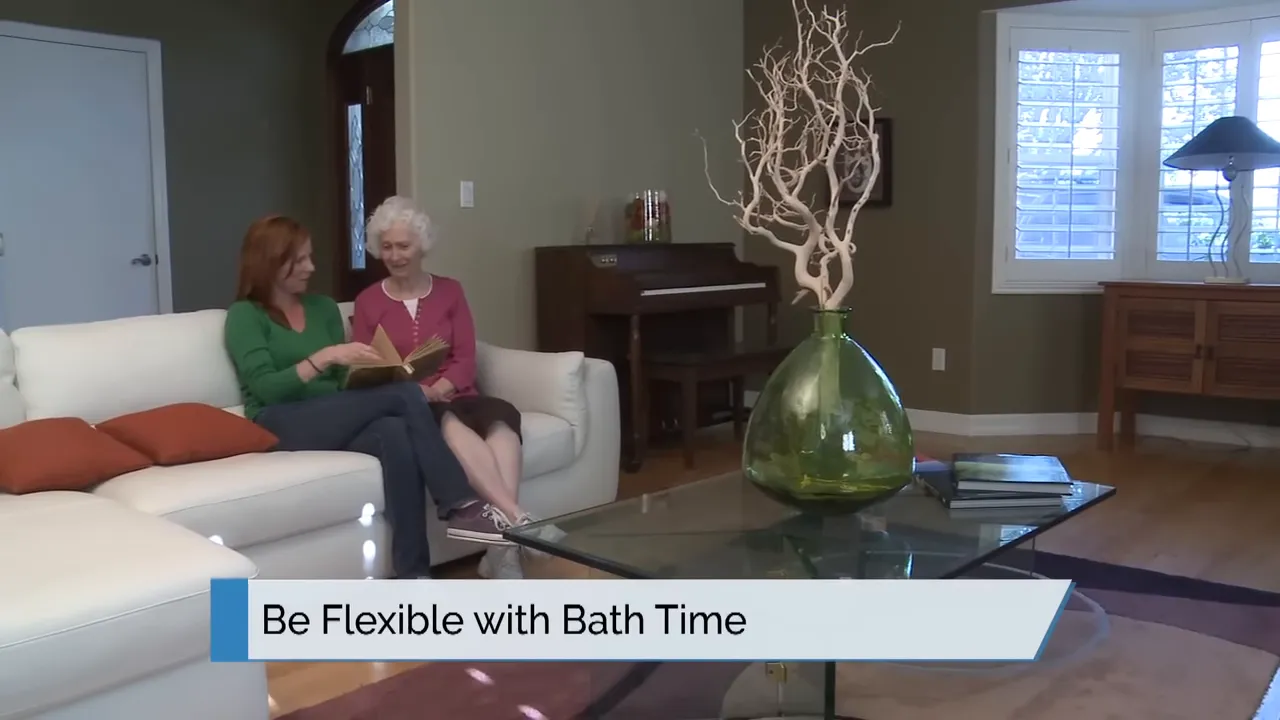
1. Be flexible about bath time
If mornings are difficult, try another time of day. A person may be more cooperative later, when they feel less rushed or more settled.
Bathing does not have to happen on a fixed schedule if that schedule causes conflict.
2. Change the language you use
If the words bath or shower create anxiety, use gentler alternatives such as:
- Spa time
- Freshen up
- Get clean
A more pleasant phrase can make the activity feel less threatening.
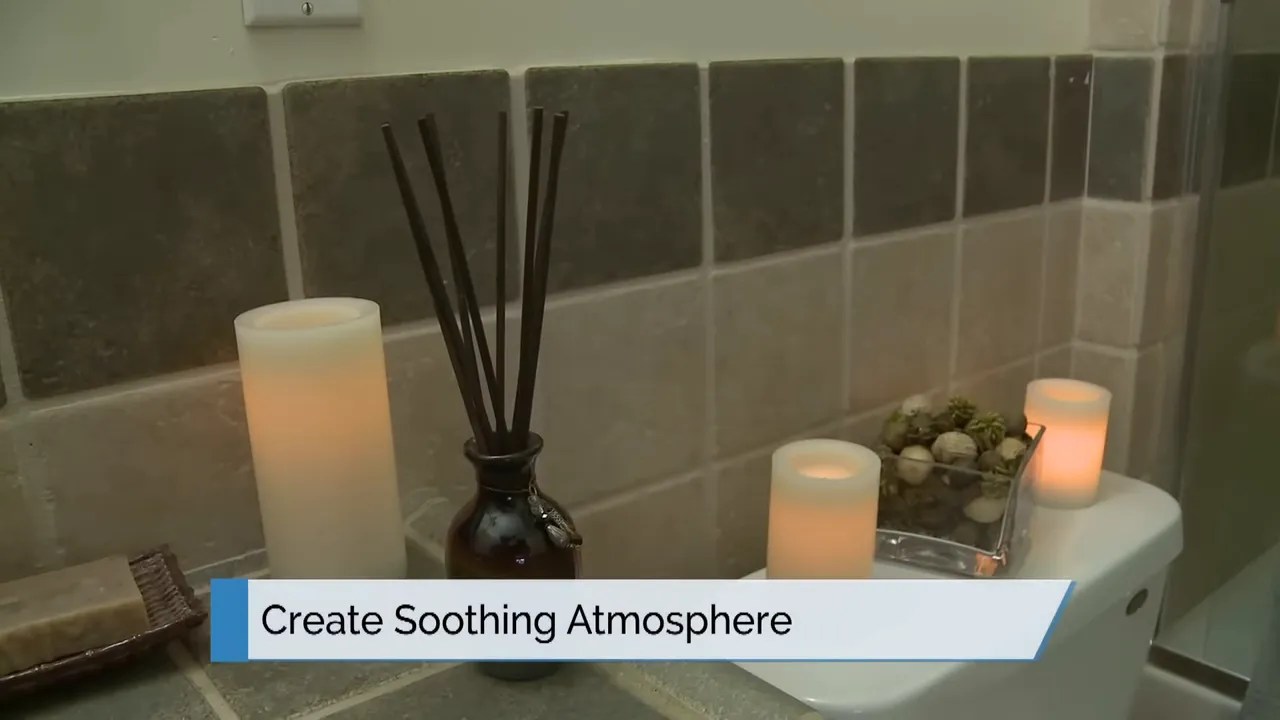
3. Create a soothing bathroom environment
A calmer setting can help reduce fear. Consider using:
- Flameless candles
- Aromatherapy
- Soft, soothing music
The goal is to make the space feel inviting rather than clinical.
4. Reassure the person and ask preferences
Let the person know you are there to help. Ask how they feel and how they would like things done. Even simple choices can restore a sense of control.
Examples include:
- Checking whether the water feels warm enough
- Asking which area they want to wash themselves
- Letting them help with clothing as much as they can
5. Go one step at a time
Explain what you are about to do before each step. Keep instructions short and simple. For example:
- First, unbutton the shirt
- Next, test the water
- Now, wash this area
This can prevent surprise and reduce resistance.

6. Encourage independence whenever possible
Have the person do as much as they can on their own. Even partial participation can help them feel less exposed and more in control.
For example, the caregiver might start a button, while the person finishes it, or ask the person to wash a private area independently.
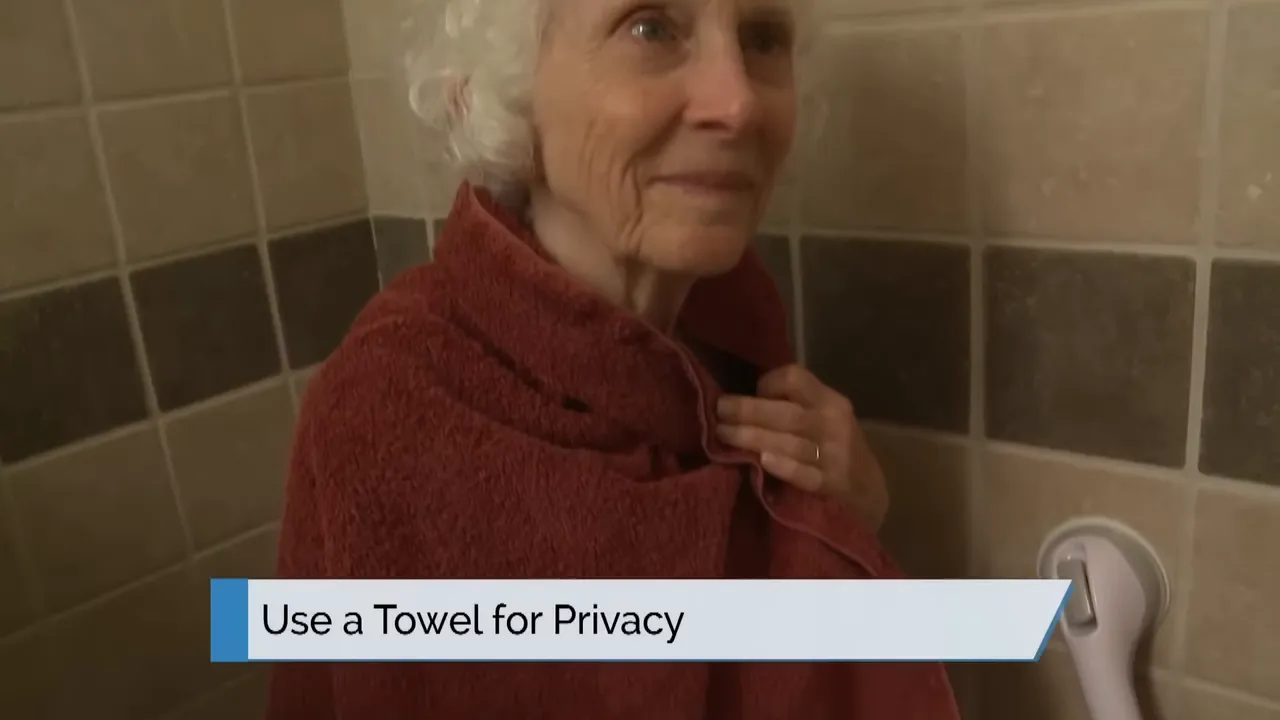
7. Protect privacy with a towel
Keeping a towel draped over the body can make bathing feel far less uncomfortable. This is a simple but important way to preserve dignity.
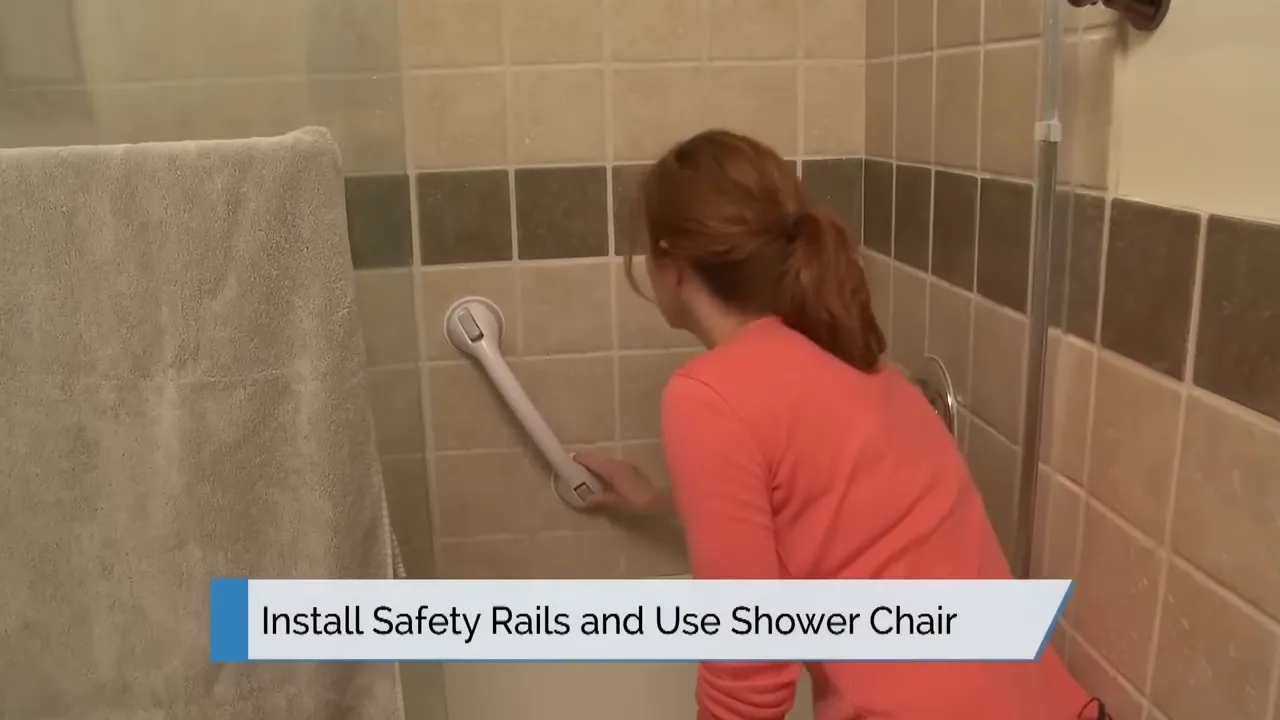
8. Improve safety in the bathroom
Feeling unsafe can increase refusal. Helpful changes include:
- Installing handrails
- Using a shower chair
These supports can reduce fear of slipping and make the process more manageable.
9. Consider a handheld shower head
A handheld shower head can be less stressful than overhead water. It lets the caregiver direct water where needed and keep the pressure low.
This can be especially helpful for people who are afraid of water falling on their face or body unexpectedly.

10. Limit full baths if needed
Full bathing may not need to happen every day. A practical routine is to limit bathing to twice a week and use sponge baths in between.
This can reduce conflict while still supporting hygiene.

How to make the actual bath or shower easier
Once the person agrees, the technique still matters. These steps can help:
- Prepare the bathroom first. Have towels, shampoo, and supplies ready before starting.
- Help with clothing gradually. Offer assistance only as needed.
- Let the person test the water. This helps build trust and comfort.
- Use gentle water pressure. Lower pressure may feel safer and less startling.
- Keep them seated if that feels more secure. A shower chair can help.
- Wash in stages. Pause between steps and explain each one.
A calm, stepwise approach is usually more successful than trying to finish quickly.
If the person says they are afraid of the water
This fear should be taken seriously. Try to reduce the parts of bathing that may feel threatening:
- Let them feel the water on their toes or hands first
- Use low water pressure
- Aim water carefully with a handheld shower head
- Keep instructions gentle and predictable
- Allow them to stay covered as much as possible
If fear remains high, stop and try again later rather than forcing the issue.
Sample approach caregivers can use
A helpful routine may look like this:
- Choose a calm time of day.
- Use pleasant, nonthreatening language.
- Set up a warm, soothing bathroom.
- Explain one step at a time.
- Ask the person to help where they can.
- Keep them covered with a towel when possible.
- Use safety supports and gentle water flow.
- Use sponge baths between full baths if needed.
Common mistakes that increase resistance
- Starting when the person is already irritated or tired
- Using direct commands instead of calm reassurance
- Calling it a shower or bath when those words trigger distress
- Ignoring privacy
- Moving too quickly from one step to the next
- Assuming daily bathing is always necessary
When less frequent bathing is okay
For some people with dementia, fewer full baths are more realistic and less distressing. Bathing twice weekly, with sponge baths in between, can be a practical compromise when daily bathing leads to conflict.
This approach may help maintain cleanliness without turning bathing into a recurring struggle.
Key takeaway
When a person with dementia refuses to bathe, the solution is usually not more pressure. It is more comfort, more safety, and more respect.
Be flexible with timing, use gentler words, create a soothing atmosphere, explain each step, preserve privacy, and make the bathroom safer. These changes can lower anxiety and make bathing easier for both the person with dementia and the caregiver.