How to Help Someone With Dementia During Sundowning
How to Help Someone With Dementia During Sundowning

Photo by Age Cymru on Unsplash
Sundowning is a common pattern in dementia where confusion, anxiety, restlessness, or agitation gets worse in the late afternoon or early evening. For many families, this is one of the hardest parts of the day.
The good news is that sundowning can often be eased with practical changes to the environment, daily routine, and caregiving approach. Small adjustments such as better lighting, a calmer setting, and gentle redirection can make evenings feel safer and more manageable.
What sundowning is
Sundowning, sometimes called sundown syndrome, is not a separate disease. It is a group of symptoms that tend to appear at a specific time of day, usually around sunset or early evening.
Common signs include:
- Confusion
- Anxiety
- Agitation
- Aggression
- Difficulty following directions
- Pacing or wandering
- Restlessness despite seeming tired
A person may begin searching for misplaced items, insist on doing familiar tasks from the past, or move around the house with no clear goal. These behaviors can feel sudden, but they often follow a daily pattern.
Why sundowning happens in dementia
The exact cause is not fully known, but several factors are linked to sundowning.
As dementia progresses, it can affect parts of the brain that regulate the body’s internal clock. This can disrupt the sleep-wake cycle and lead to:
- More sleeping or dozing during the day
- Difficulty staying asleep at night
- Greater confusion later in the day
Reduced light in the evening can also make symptoms worse. Dim rooms, shadows, fatigue, anxiety, and pent-up energy from an unstimulating day may all contribute.
In practical terms, sundowning often reflects a combination of brain changes, tiredness, low light, and overstimulation or underactivity.
When sundowning usually starts
Sundowning most often shows up in the late afternoon, around sunset, or in the early evening. It does not always happen at exactly the same time, but many caregivers notice a reliable pattern.
If evenings are consistently harder than mornings, sundowning may be part of the reason.
How to recognize sundowning early
Early signs are easy to miss. Catching them sooner can help you respond before distress builds.
Watch for:
- Increased fidgeting
- Repeated questions
- Searching for objects
- Pacing from room to room
- Irritability
- Trouble settling into one activity
- A sense that the person is both tired and unable to relax
When these signs begin, it is often a good time to simplify the environment and shift into a calmer evening routine.
How to respond in the moment
The most helpful response is usually calm, patient, and reassuring. Arguing, correcting, or pushing the person to stop can increase distress.
Try this approach:
- Stay calm. Use a gentle tone and simple sentences.
- Reduce confusion. Brighten the room and remove visual shadows.
- Acknowledge the concern. Even if the belief is inaccurate, the emotion is real.
- Redirect to something soothing. Offer a relaxing activity the person usually enjoys.
- Keep the environment quiet. Reduce noise, commotion, and competing distractions.
For example, if someone is searching for an item or preparing to leave, a calmer response is often more effective than a direct correction. Reassurance and redirection usually work better than debate.
Create a well-lit room
One of the most practical ways to help during sundowning is to improve lighting before evening confusion starts.
Make sure rooms are:
- Well lit
- Free from heavy shadows
- Visually simple and easy to interpret
Close drapes or blinds if outdoor light changes are causing visual confusion, and turn on indoor lights early enough that the room does not slowly become dim.
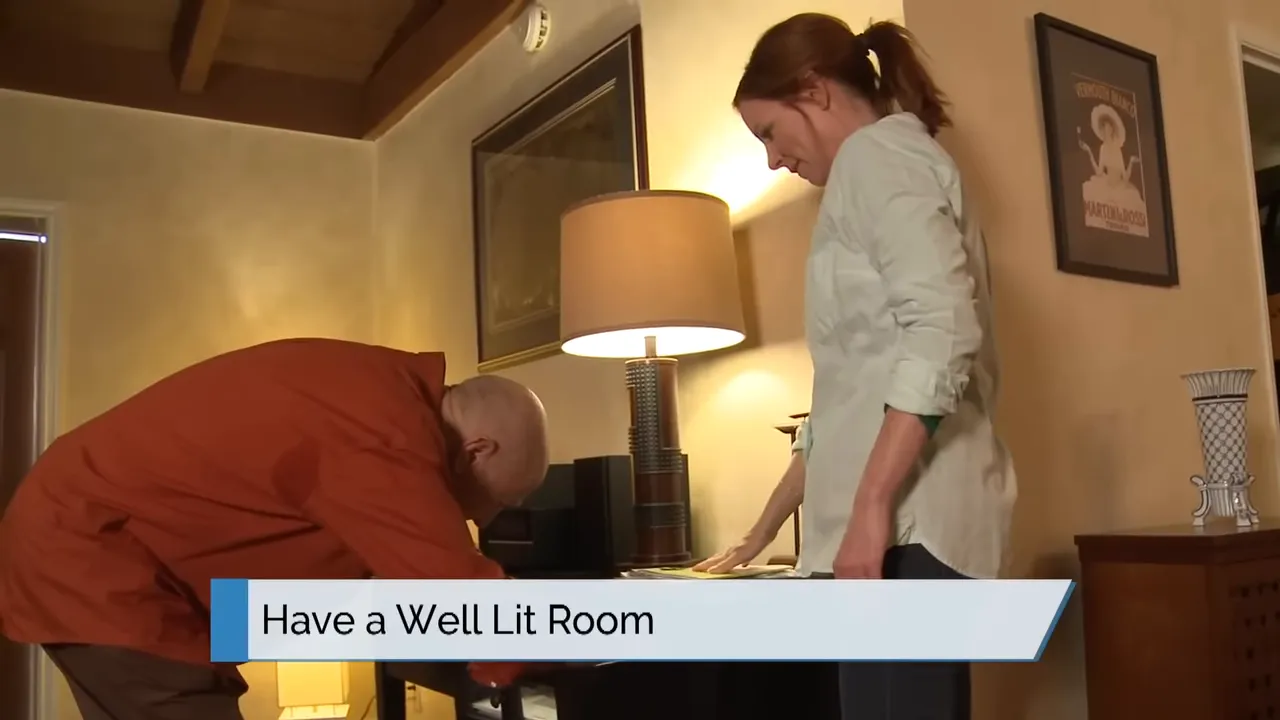
Better lighting can help the person understand their surroundings more clearly, which may lower fear, confusion, and agitation.
Create a calm environment in the evening
Evening overstimulation can make sundowning worse. A calmer setting helps reduce distress.
Focus on these basics:
- Lower loud background noise
- Reduce disruptions and sudden activity
- Keep the room comfortable and familiar
- Avoid crowding the person with too many instructions
If the household tends to be busiest at the end of the day, try to build a quieter transition into evening.
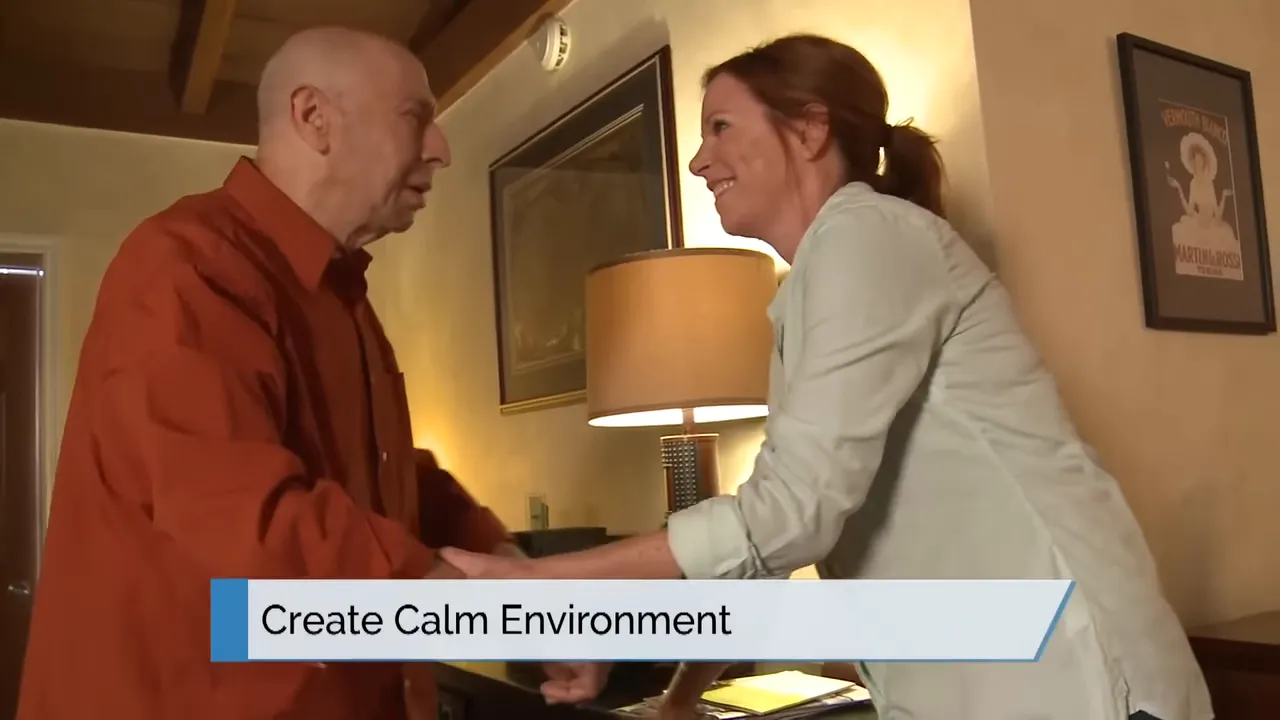
Use distraction and redirection instead of correction
When a person with dementia becomes fixated, correction often backfires. A better strategy is to redirect attention toward something pleasant and familiar.
Helpful options may include:
- Looking through a photo album
- Sitting down for a quiet conversation
- Listening to something relaxing
- Doing a simple enjoyable activity together
The goal is not to force a new task. It is to gently move attention away from the source of distress.

Keep the person active during the day, but avoid exhaustion
Too little activity during the day can leave someone restless by evening. Too much activity can leave them overtired. Both can make sundowning more intense.
A better balance is moderate daily activity. The day should include enough engagement to prevent boredom, but not so much that it leads to fatigue.
This may mean:
- Light movement
- Simple household participation
- Conversation or familiar tasks
- Pleasant structured activities spread through the day
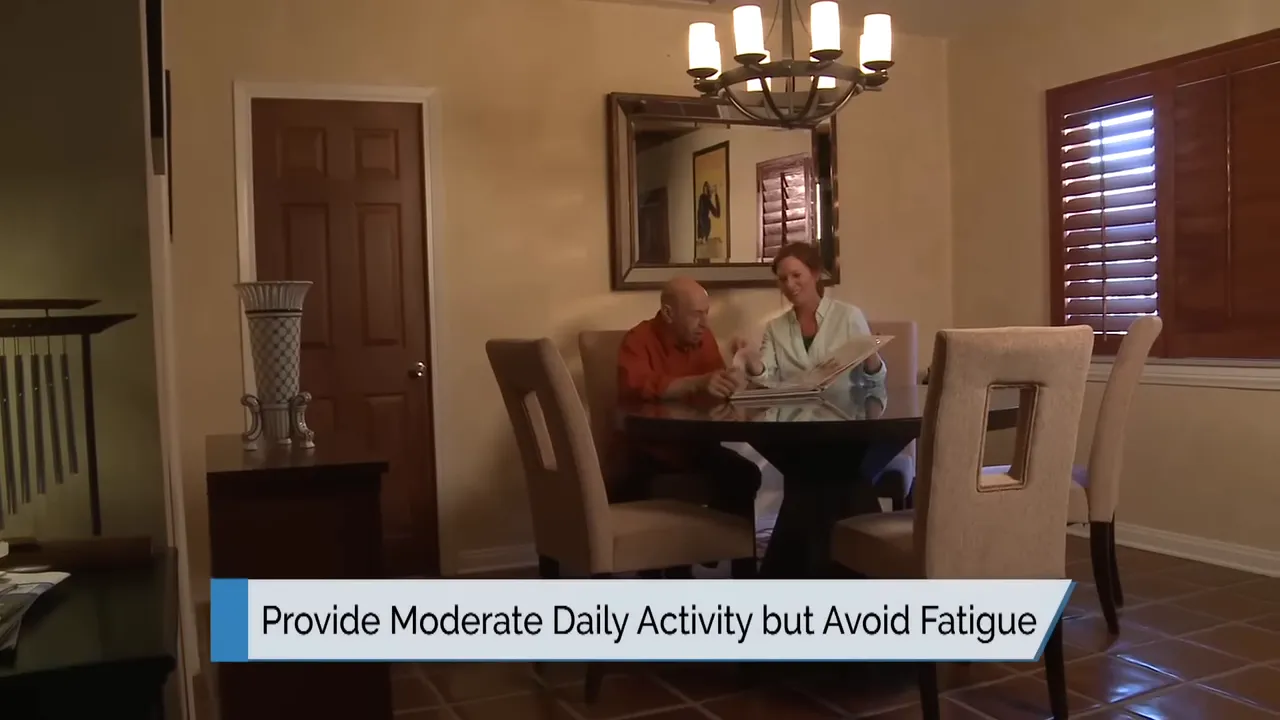
Limit daytime napping
Long daytime naps can disrupt nighttime sleep and worsen the sleep-wake cycle problems that often come with dementia.
A useful guideline is to limit daytime napping to a couple of hours. This can help support better sleep at night and reduce evening confusion.
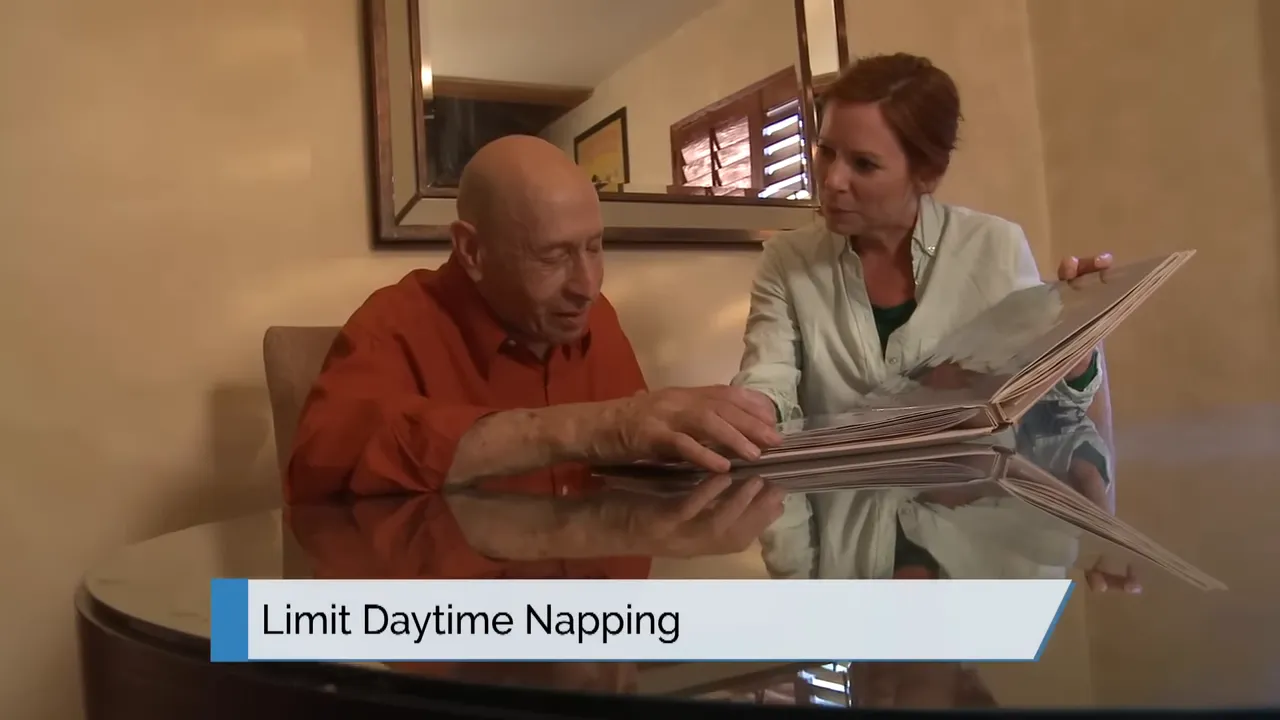
What not to do during sundowning
Some common reactions can accidentally make symptoms worse.
Avoid:
- Arguing about facts
- Giving long explanations
- Using a harsh or impatient tone
- Leaving rooms dim or shadowy
- Allowing the day to become either too inactive or too exhausting
- Letting daytime sleep take over the schedule
If the person is upset, being technically correct is often less important than helping them feel safe.
A simple evening plan for sundowning
If sundowning happens regularly, it helps to prepare before symptoms start.
Use this checklist:
- Turn on lights before the room gets dim
- Close blinds or drapes if changing outdoor light is distracting
- Lower noise and reduce interruptions
- Offer calm reassurance
- Redirect to a familiar enjoyable activity
- Keep the day active enough, but not exhausting
- Limit naps earlier in the day
Can sundowning be prevented completely?
Not always. Because sundowning is tied to dementia-related changes in the brain and disruptions in the internal clock, it may still occur even with excellent care.
But symptoms can often be reduced. Many caregivers find that a consistent routine, better lighting, and a calmer response make evenings more predictable and less distressing.
When to pay closer attention
If evening behaviors suddenly become much more severe, frequent, or unsafe, it is worth taking note of the pattern and discussing it with a healthcare professional. Changes in sleep, wandering, or escalating agitation can have multiple causes in dementia care.
Keeping track of when symptoms start, what the environment is like, and what seems to help can make it easier to spot triggers.
Key takeaway
Sundowning in dementia is common, especially around sunset and early evening. It may show up as confusion, anxiety, agitation, pacing, or wandering. While the exact cause is unclear, disrupted sleep-wake rhythms, low evening light, fatigue, and boredom can all play a role.
The most useful strategies are often simple:
- Keep rooms well lit
- Create a calm environment
- Be patient and redirect gently
- Encourage moderate daytime activity
- Limit daytime napping
For many families, these steps do not eliminate sundowning completely, but they can make evenings safer, calmer, and easier to manage.