How to Help Someone Shower Safely and Respectfully
How to Help Someone Shower Safely and Respectfully

Photo by JOVS Beauty on Unsplash
Helping another person bathe can feel uncomfortable at first, but it is an important part of daily care. A safe, well-planned shower can help the person feel clean and refreshed while also supporting skin health and reducing infection risk.
If you are assisting an older adult, a person with limited mobility, or someone recovering from illness, the goal is simple: keep them safe, preserve their dignity, and encourage as much independence as possible.
When someone may need help with a shower
Some people need full assistance. Others only need help with one or two tasks, such as washing their hair, cleaning their back, or getting in and out of the shower.
Shower assistance may be helpful when a person has:
- Balance problems
- Weakness or fatigue
- Limited range of motion
- Pain with standing
- Difficulty reaching certain areas safely
Whenever possible, let the person do the parts they can manage on their own. This helps maintain comfort, privacy, and confidence.
How to make showering less awkward
Personal care can be sensitive for both people involved. A few simple habits can make it easier:
- Explain what you are doing before each step.
- Talk about everyday topics instead of focusing only on the task.
- Play music if that helps create a more relaxed routine.
- Offer privacy when possible, especially if the person only needs partial help.
- Encourage independence for any step they can do safely.
A calm, matter-of-fact approach usually works better than overexplaining or rushing.
What to gather before the shower
Set up everything in advance so you do not need to leave the person alone while they are wet or unsteady.
Have these items ready:
- Shampoo
- Soap or body wash
- Conditioner if used
- Lotions or prescribed skin creams
- Washcloths
- Towels
- Clean clothes
- Undergarments or briefs if needed
- Non-slip shoes or slippers
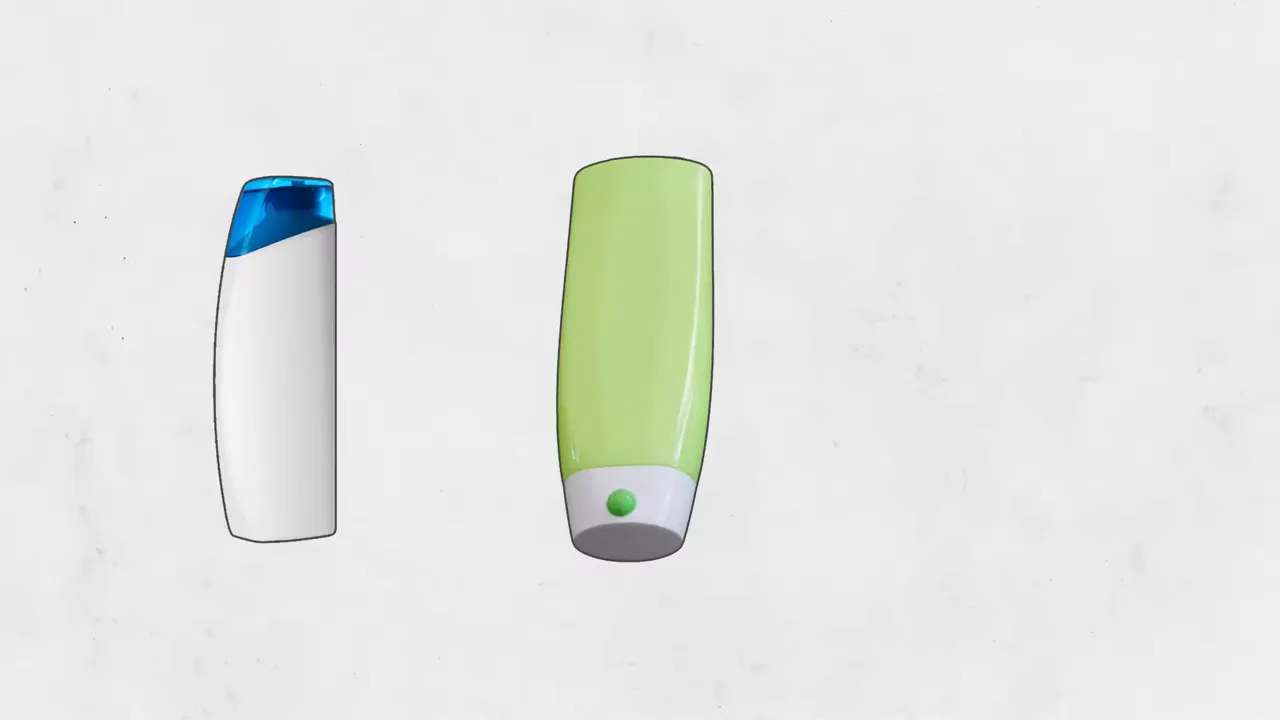
Using the person’s usual products can make the experience more comfortable and familiar.
Bathroom safety setup
Falls are one of the biggest risks during bathing, so safety setup matters as much as washing itself.
Before starting, make sure you have:
- Non-slip footwear for both of you
- Non-slip safety mats in wet areas
- A shower chair if the person uses one
- Grab bars or other supports if available
- A detachable showerhead if possible
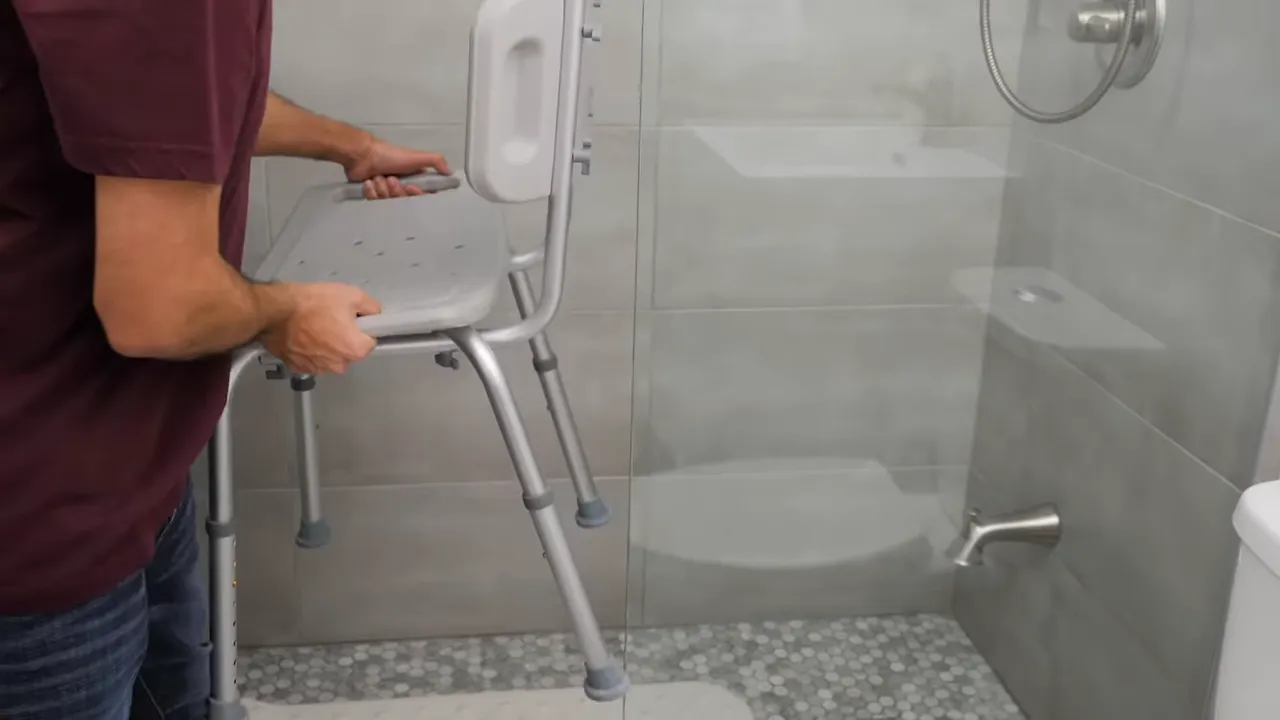
A detachable showerhead often makes bathing much easier because it lets you direct water where needed without making the person stand or turn as much. If a permanent showerhead cannot be changed, a portable handheld option may help.
If choosing bath equipment feels overwhelming, an occupational therapist can help recommend the right shower chair and bathroom safety items for the person’s needs and home layout.
How to help someone into the shower
Start by preparing the person for the bathroom trip.
If the bathroom is small, it may be easier to help them undress elsewhere and wear a robe into the bathroom. Once in the shower area:
- Help them step in or transfer safely.
- Make sure the shower chair is steady and correctly positioned.
- Allow them to sit before starting the water if sitting is safer.
- Check that any needed support is within reach.
Never rush this part. Getting in and out of the shower is often when slipping is most likely.
Check the water temperature first
Before spraying water on the person, test the temperature on the back of your hand. This helps reduce the risk of burns.
Then confirm the temperature with the person as well. Even if it feels fine to you, it may feel too hot or too cold to them.
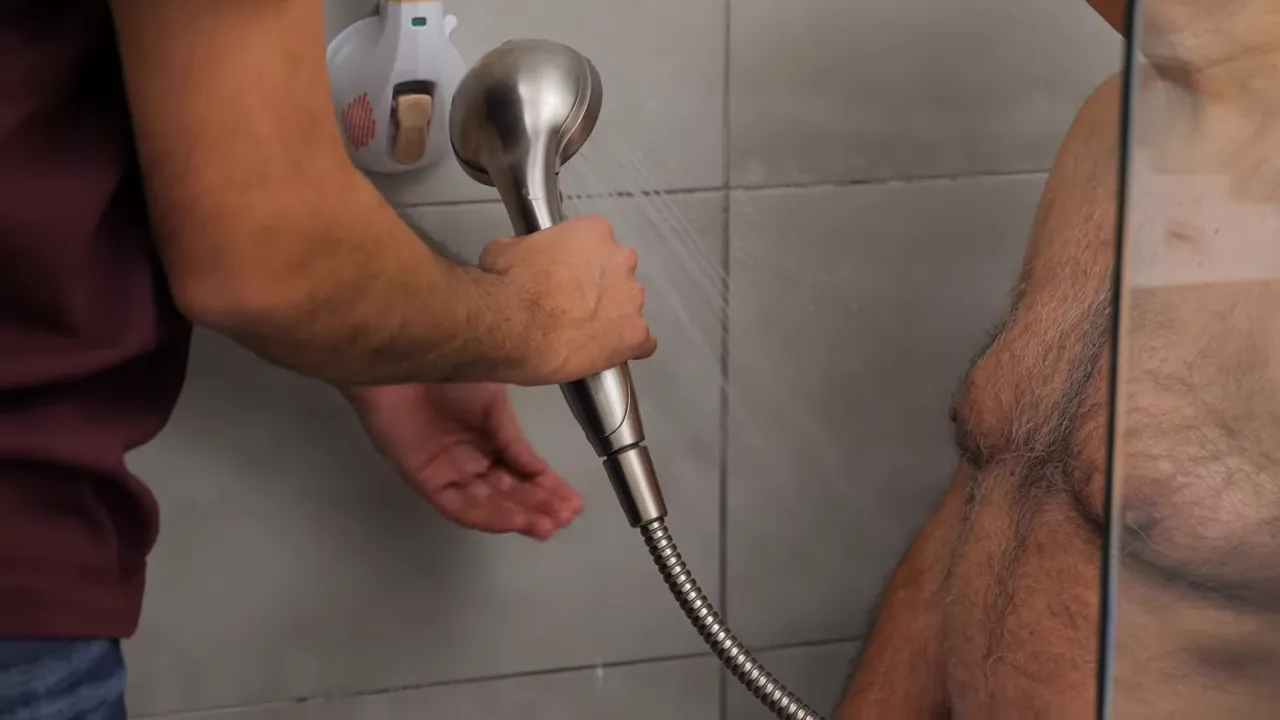
Step-by-step: how to assist someone with a shower
1. Start with the hair
If the person wants their hair washed, begin there.
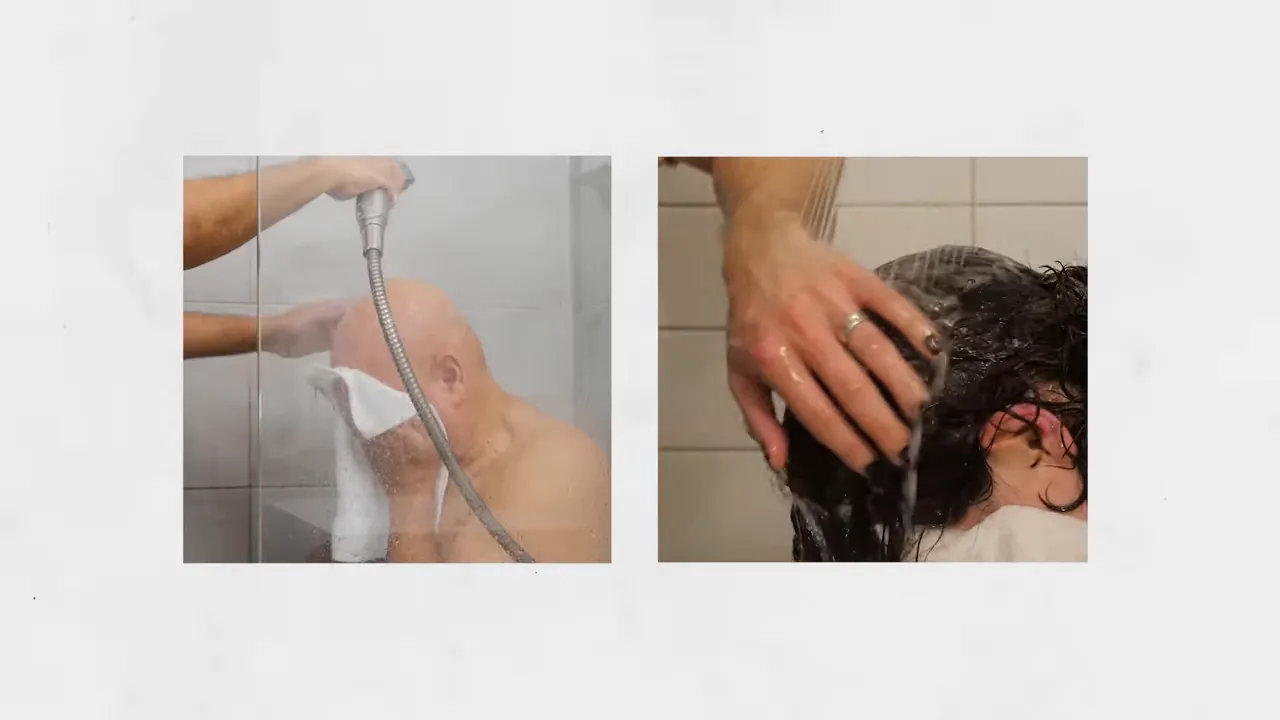
If they cannot tilt their head back comfortably, ask them to look down toward their toes and hold a clean washcloth over their face to keep soap out of their eyes.
Then:
- Wet the hair thoroughly.
- Apply shampoo and lather gently.
- Rinse until the water runs clear.
- Repeat with conditioner if they use it.
2. Wash the upper body
Use soap and a washcloth to help clean the shoulders, chest, arms, and back as needed.
Use a gentle touch. Avoid scrubbing hard, especially on delicate skin.
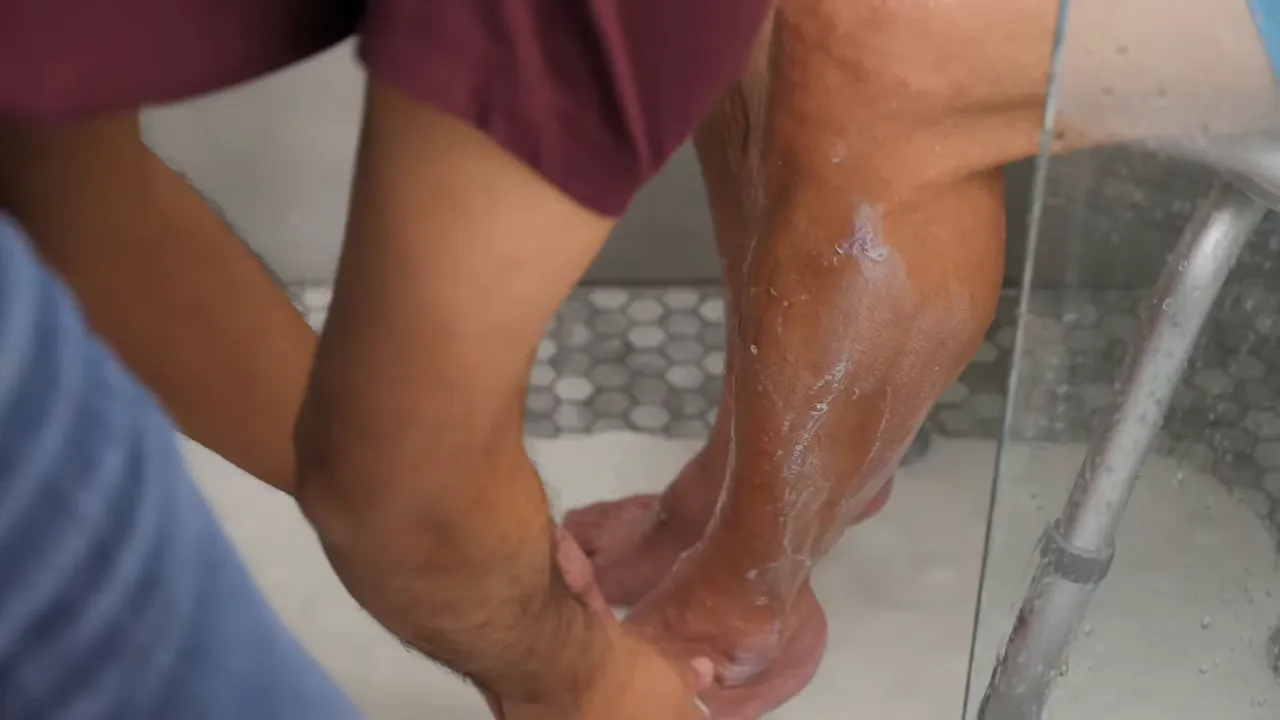
3. Wash the legs and feet
Clean one area at a time so the person does not become chilled or feel unstable. Take extra care around feet, where balance can be more difficult.
4. Pay special attention to sensitive skin areas
Clean skin folds carefully and gently, including areas such as under the breasts or other places where moisture can collect.
These areas can be prone to irritation if not washed and dried well.
5. Rinse thoroughly
Make sure soap is rinsed away completely. Leftover product can irritate the skin.
6. Assist with genital washing last
This is often the most uncomfortable part emotionally, but it is an important step in maintaining hygiene.
Be respectful, brief, and gentle. Explain what you are doing and preserve privacy as much as possible.
If the person only needs partial help
Not everyone needs full shower assistance. Some people can wash most of their body independently and only need help with:
- Hair washing
- Back washing
- Reaching lower legs or feet
- Getting in and out safely
In that case, give them privacy to do the rest on their own while staying close enough to help if needed.
How to dry someone safely after a shower
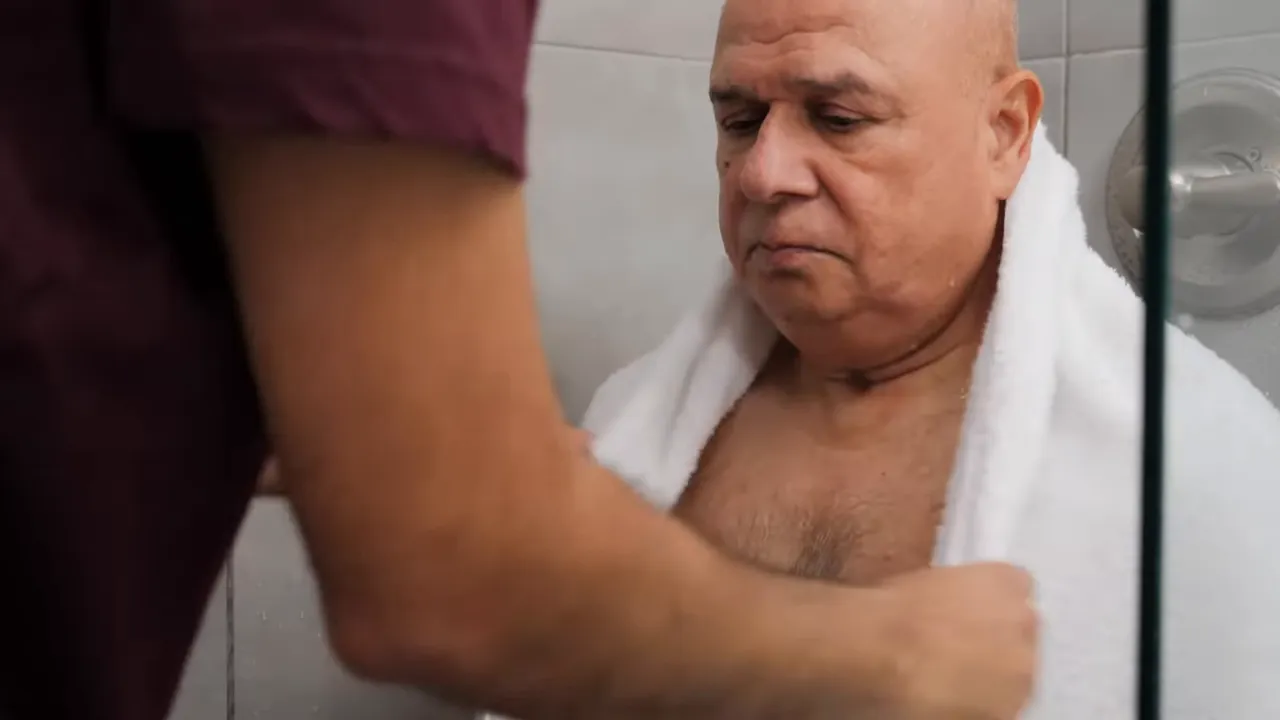
Once the water is off, the person can get cold quickly. Have a large towel ready right away.
Wrap them first, then help dry the rest of the body by patting dry rather than rubbing. This is especially helpful for older or sensitive skin.
Make sure to dry:
- Skin folds
- Under the breasts
- Feet and between toes if needed
- Any area where moisture tends to collect
Applying lotion, creams, and getting dressed
After drying, apply any lotions, moisturizers, or prescribed creams the person normally uses or has been instructed to use.
Then help them get dressed.
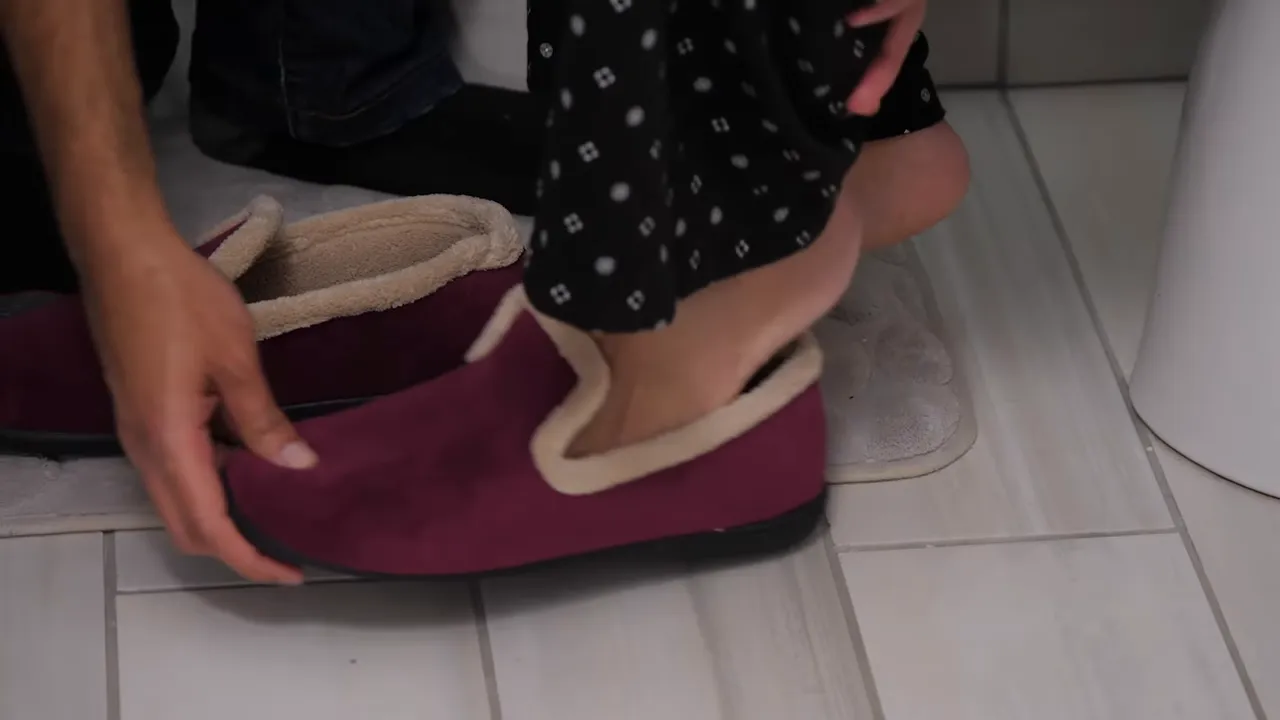
Before they stand, put on non-slip shoes or slippers to reduce the risk of slipping on tile or other wet surfaces.
If the shower chair does not extend outside the tub, another practical option is to have the person sit on the toilet to finish drying and dressing.
Common mistakes to avoid
- Starting without supplies ready, which may leave the person unattended.
- Skipping non-slip footwear or mats, increasing fall risk.
- Using water that is too hot, which can cause burns.
- Rubbing skin too hard, especially in sensitive areas.
- Doing everything for the person when they can safely do some steps themselves.
- Forgetting to dry skin folds well, which can lead to irritation.
- Letting the person stand barefoot on a wet floor after the shower.
Frequently asked questions
How often should someone be helped with a shower?
The right schedule depends on the person’s needs, comfort, and skin condition. Some people need full showers less often and may use other hygiene routines between showers.
What if the person is embarrassed?
Keep the routine calm, simple, and respectful. Offer choices, cover the body when possible, and let them do any part they can manage safely.
What if they cannot stand safely in the shower?
A shower chair can make bathing safer and less tiring. If equipment needs are unclear, an occupational therapist can help identify the most suitable setup.
Is a handheld showerhead necessary?
Not strictly necessary, but it can make rinsing easier and safer, especially when the person is seated.
Key takeaway
To help someone shower well, focus on three things: prepare the space, support independence, and prioritize safety. Gather supplies ahead of time, use non-slip equipment, check water temperature carefully, wash gently, and dry the person promptly before helping them dress.
With practice, shower assistance usually becomes more comfortable and more routine for both people.