Home Safety for Seniors: Practical Ways to Prevent Falls and Injuries
Home Safety for Seniors: Practical Ways to Prevent Falls and Injuries

Photo by Karmishth Tandel on Unsplash
Home is where many older adults feel most comfortable, but it is also where many injuries happen. A few simple changes can make everyday spaces safer, easier to navigate, and less likely to cause falls or other accidents.
This guide covers the most important senior home safety tips, with special attention to fall prevention, bathroom safety, poisoning risks, and lighting.
Why home safety matters for seniors
Older adults often face a higher risk of injury from slips, trips, and balance problems. Hazards that seem minor, such as a loose rug, a bag on the floor, or a dark hallway, can become serious dangers.
Home safety improvements are meant to support independence, not limit it. The goal is to help seniors move around more confidently while reducing avoidable risks.
Start with a home safety assessment
A good first step is to look at the home room by room and identify anything that could make movement harder or less safe. In home care settings, this type of assessment may be done during admission by a nurse or physical therapist.
They may recommend helpful equipment such as:
- Grab bars for the bathroom
- Tub transfer benches for safer bathing
- Bedside commodes if getting to the bathroom is difficult
- Rolling walkers to improve mobility around the house
If a senior has already had a fall, feels unsteady, or struggles in the bathroom, these supports can make a meaningful difference.
How to prevent falls in the home
Fall prevention starts with removing everyday tripping hazards and making walking paths easier to use.
1. Secure loose rugs
Area rugs can slide, bunch up, or catch a foot. If a rug stays in place, add a non-slip mat or backing underneath it so it does not move.
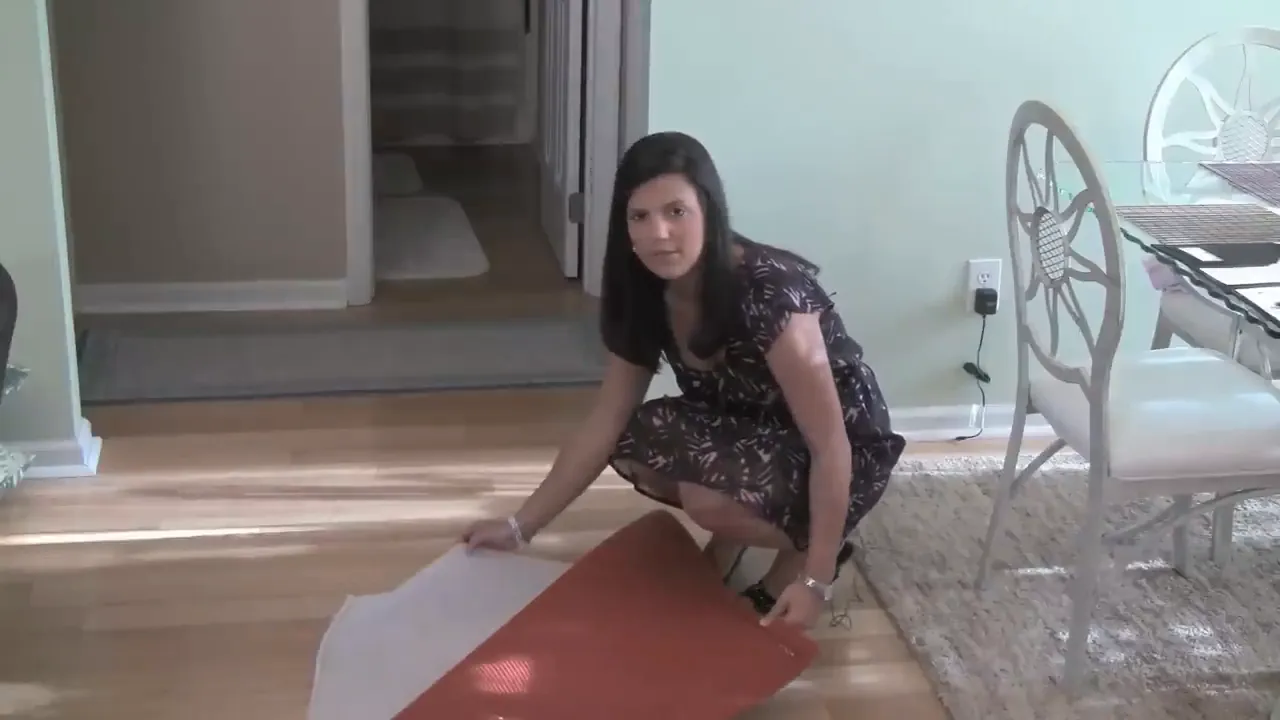
If a rug cannot be secured well, it is safer to remove it.
2. Keep walkways clear
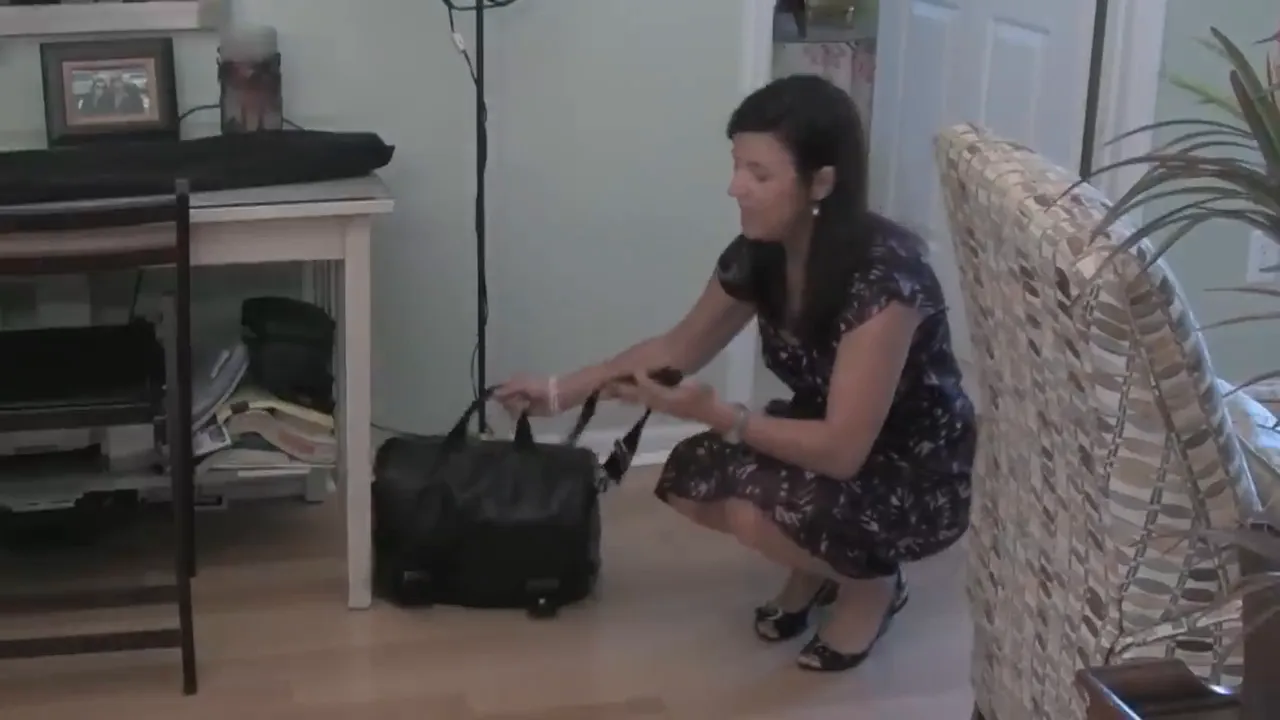
Anything left on the floor can become a trip hazard. Bags, shoes, cords, baskets, and small furniture should be moved away from main walking routes.
Pay attention to:
- Paths between the bedroom and bathroom
- Hallways and doorways
- Spaces near the bed and favorite chairs
- Entry areas where items are often dropped
3. Make corners and tight spaces easier to navigate
Narrow areas can be difficult for seniors who use walkers or need extra balance support. If a lamp, table, or decorative item crowds a turn, move it to open the space.
Even a few extra inches of clearance can help.
Bathroom safety tips for seniors
The bathroom is one of the highest-risk areas in the home because of water, slick surfaces, and limited space.
Use mats that stay in place
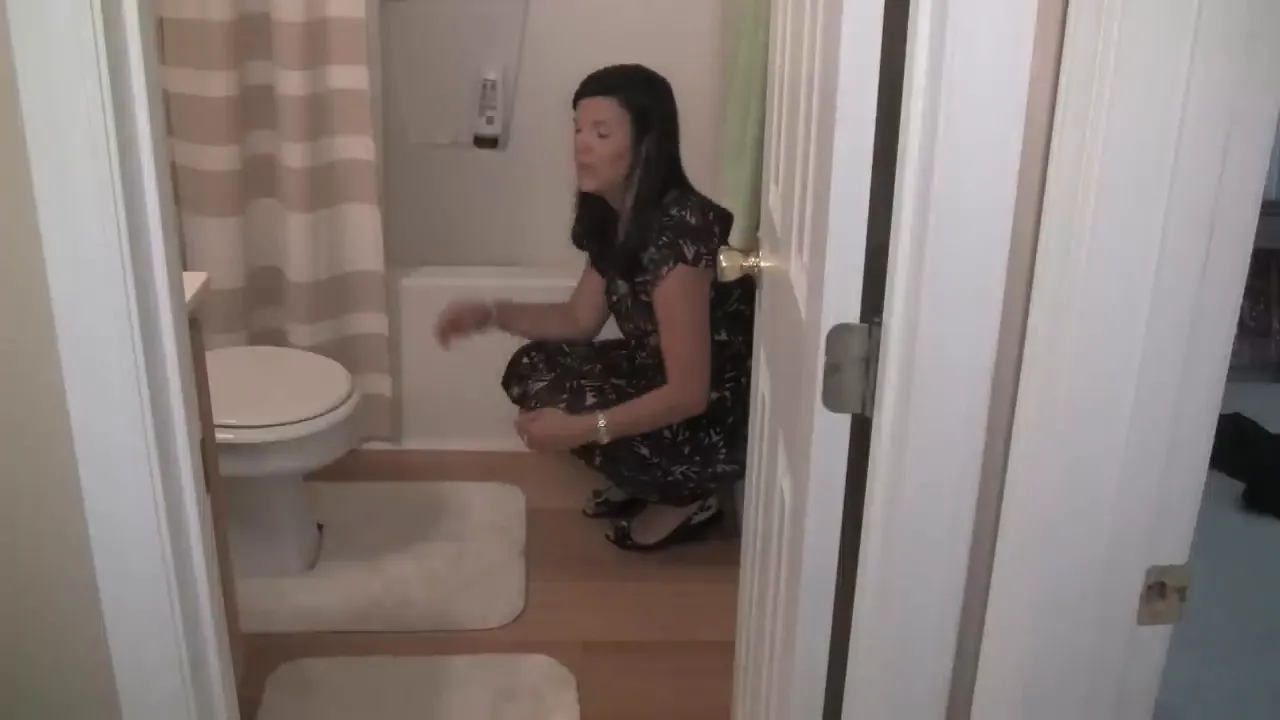
Bathroom rugs should have a grip backing so they do not slide on the floor. Inside the tub, place a non-slip bath mat to reduce slipping on wet surfaces.
Install grab bars
Grab bars can provide support when stepping into or out of the tub and while moving around the bathroom. They are especially useful near the tub and on nearby walls where steady hand support is needed.
Consider transfer equipment if needed
If standing in the tub or stepping over the tub wall is difficult, a tub transfer bench may help. For seniors who struggle to reach the bathroom in time or safely at night, a bedside commode may also be worth discussing.
How to reduce poisoning risks at home
Home safety is not only about falls. Household cleaners and chemicals can also be dangerous, especially for seniors with confusion or memory problems.
Store chemicals out of easy reach
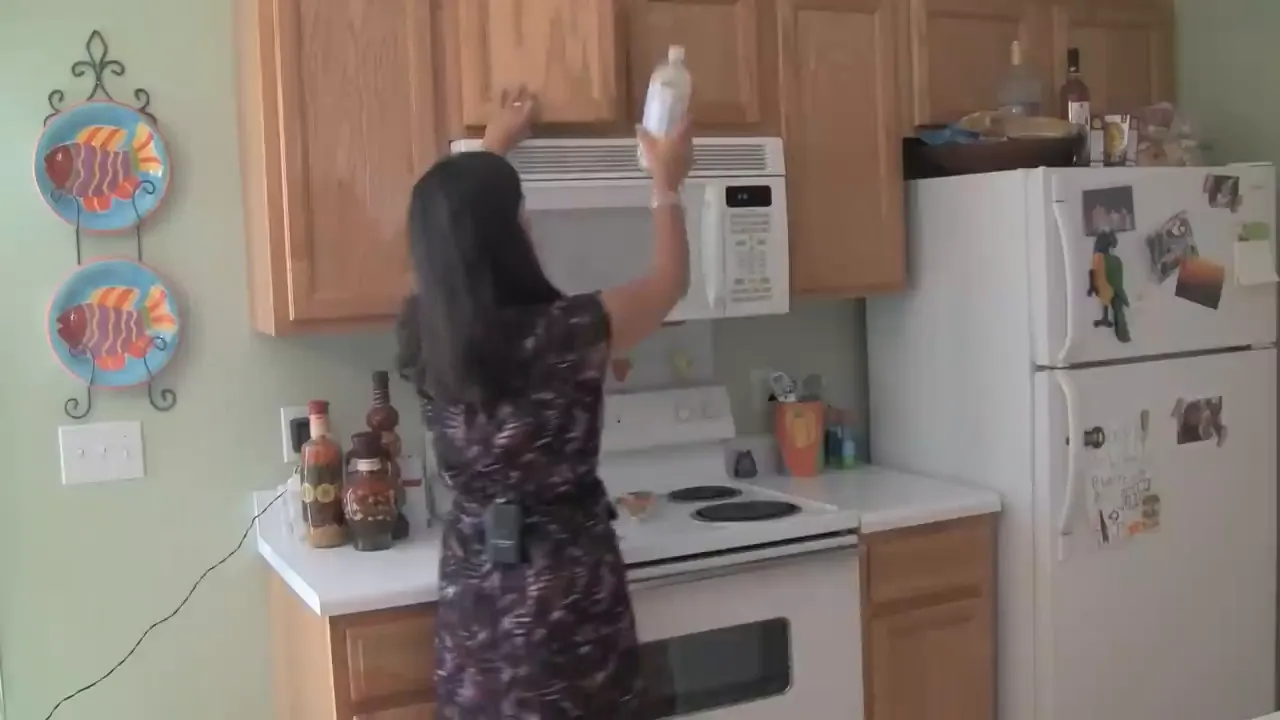
Cleaning products and other household chemicals should not be kept in low, easy-to-access areas if accidental misuse is a concern. A higher cabinet is safer, and in some cases a locked cabinet may be appropriate.
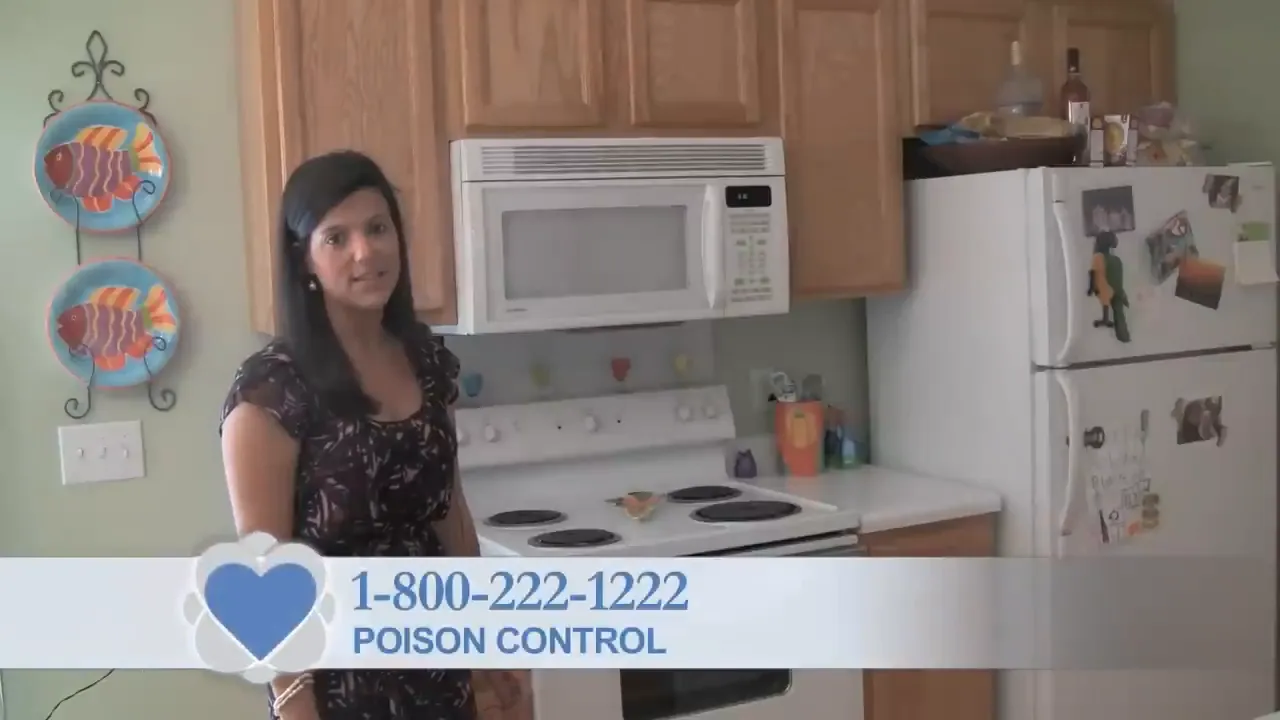
Keep poison control information accessible
The poison control number should be easy to find in case of an emergency. Post it somewhere visible or keep it saved in a phone and written near commonly used areas.
Use better lighting to improve safety
Poor lighting makes it harder to spot hazards, especially at night. One of the easiest home safety improvements is to add night lights in dark areas.
Helpful places for night lights include:
- The bedroom
- The bathroom
- Hallways
- Entryways
- Any corner that is hard to see after dark
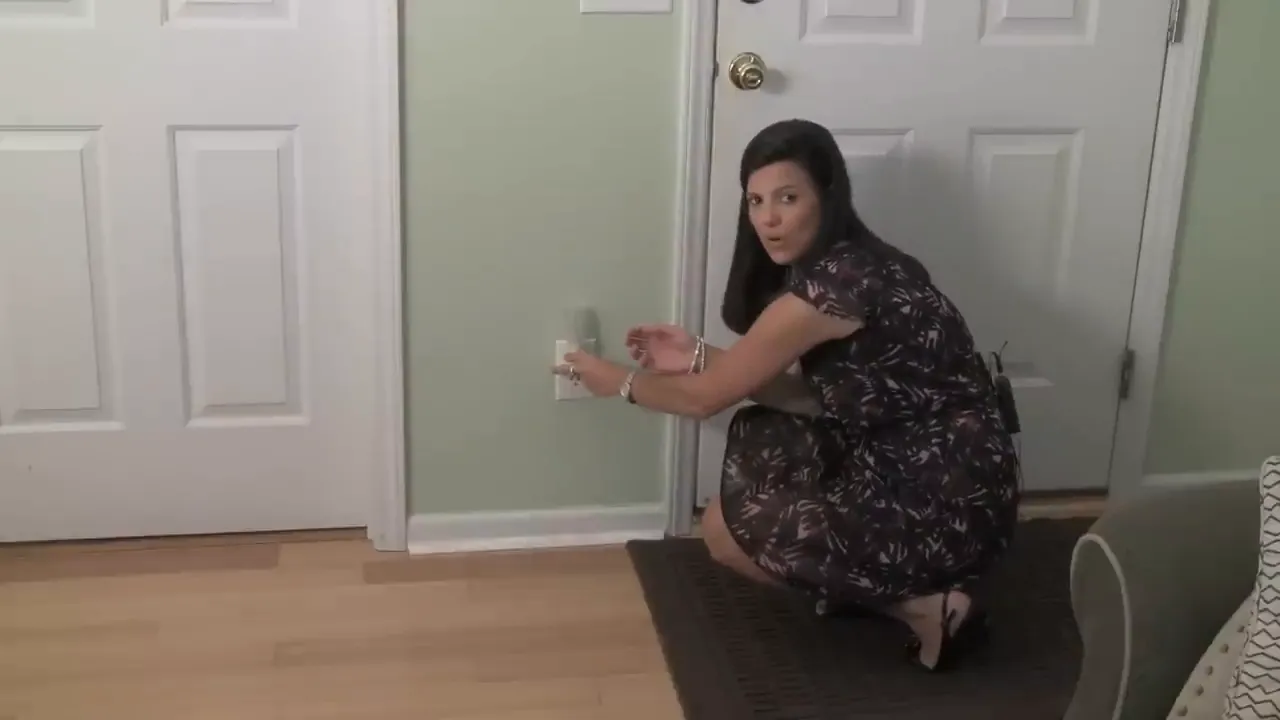
Better lighting can help seniors move around the home more safely during the evening and overnight hours.
Helpful medical equipment that can improve senior safety
Some safety issues cannot be solved by tidying up alone. Mobility aids and bathroom supports may be needed when balance, strength, or endurance changes.
Common options mentioned in home safety guidance include:
- Rolling walker for easier movement through the home
- Grab bars for support in the bathroom
- Tub transfer bench for safer bathing
- Bedside commode for easier bathroom access
Choosing the right equipment depends on the senior's mobility, home layout, and daily routine.
Common home safety mistakes to avoid
- Leaving rugs unsecured
- Storing bags or clutter in walking paths
- Crowding corners with lamps or furniture
- Using bathroom mats without grip backing
- Skipping non-slip protection in the tub
- Keeping cleaners where a confused adult can reach them easily
- Forgetting to improve lighting in dark areas
Senior home safety checklist
Use this quick checklist to review a home for common hazards:
- Rugs are secured with non-slip backing
- Walkways are clear of bags and clutter
- Tight spaces and corners are opened up
- Bathroom rugs have grip backing
- A non-slip mat is in the tub
- Grab bars are installed where needed
- Cleaners and chemicals are stored safely
- Poison control information is easy to access
- Night lights are placed in dark areas
- Mobility or bathroom equipment is considered if needed
When to ask for professional help
If a senior has had a recent fall, struggles to get in and out of the tub, has trouble walking through the home, or seems confused around household items, it may be time to request a more formal safety assessment.
A nurse or physical therapist can help identify risks and suggest equipment or layout changes that fit the person and the home.
Key takeaway
The most effective senior home safety plan usually comes down to a few basics: remove tripping hazards, improve bathroom safety, store chemicals securely, and add better lighting.
Small changes can lower the risk of falls and help older adults stay safer and more independent at home.