Home Safety Evaluation Checklist for Seniors: How to Prevent Falls at Home
Home Safety Evaluation Checklist for Seniors: How to Prevent Falls at Home

Photo by Mick Haupt on Unsplash
Preventing falls at home starts with a simple idea: identify hazards before they cause an injury. For older adults, one fall can lead to emergency treatment, loss of confidence, and a higher chance of falling again. A home safety evaluation helps caregivers, family members, and older adults spot risks room by room and create a plan that supports safety and independence.
This guide explains how to use a home safety checklist, what to look for in key areas of the home, and how to turn your findings into practical fall prevention steps.
Why a home safety assessment matters
Falls are not a minor issue for older adults. Each year, more than 3 million older adults are treated in emergency rooms for fall-related injuries. Research also shows that after one fall, the chances of falling again can double.
That is why home fall prevention should begin before a crisis. Waiting until after an injury often means making urgent changes under stress. A structured home evaluation makes it easier to notice dangers early and address them with a clear plan.

What is a home safety evaluation checklist?
A home safety evaluation checklist is a room-by-room set of questions used to assess whether a home is ready to safely support an older adult. Its purpose is to help you:
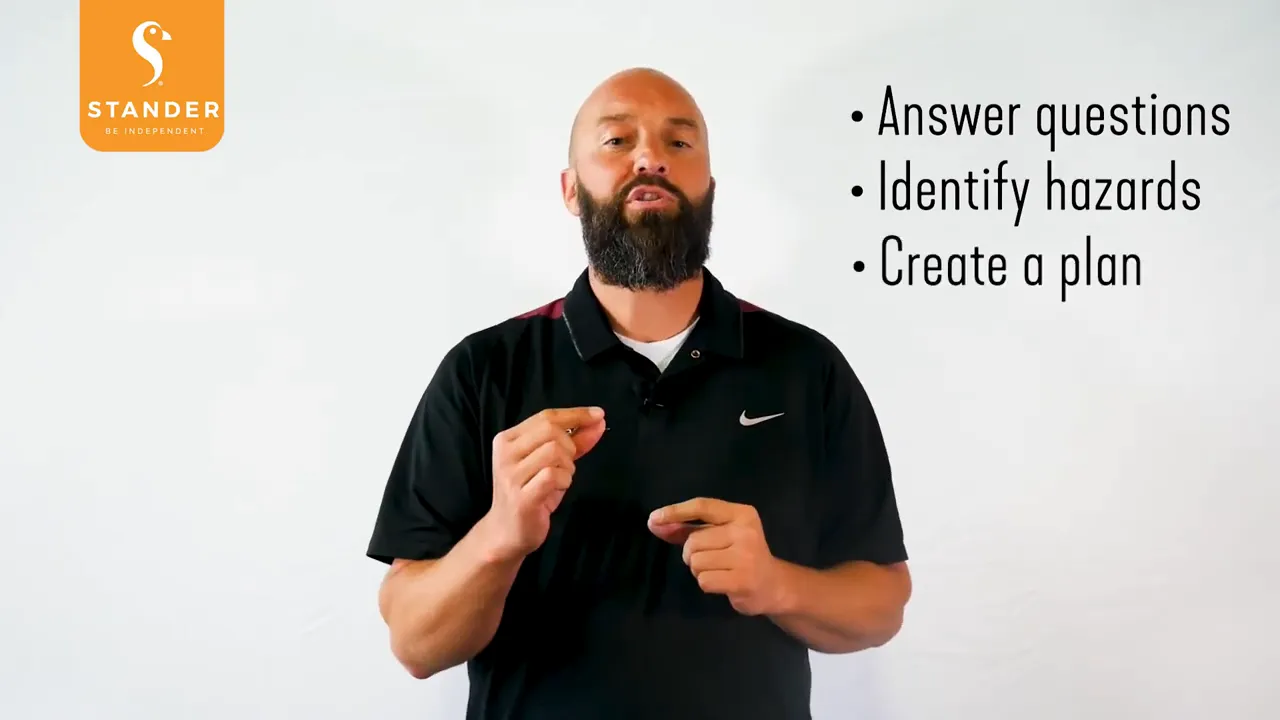
- Answer important safety questions about the home environment
- Identify potential fall hazards in each area of the home
- Create a plan tailored to the person living there
This kind of checklist is useful whether you are caring for a parent, spouse, neighbor, client, or yourself.
Who should use a fall prevention checklist?
A home safety checklist is especially helpful for:
- Family caregivers supporting an aging loved one
- Older adults planning to age in place
- Professional caregivers doing an initial home review
- Anyone preparing a home after a recent fall or mobility change
Even if the person seems to be doing well, a proactive assessment can reveal hidden risks that are easy to miss during daily routines.
How to use a home safety checklist effectively
The most useful checklist is not just a form to complete. It should lead to action. A good process looks like this:
- Walk through the entire home and assess each area carefully.
- Note hazards and mobility challenges as you go.
- Think about the person’s needs, including balance, strength, transfers, and walking support.
- Prioritize the highest-risk areas first, especially places where standing, turning, or getting up is difficult.
- Create a room-by-room plan for changes, equipment, or follow-up help.
The goal is not perfection on the first pass. The goal is to create a safer environment and keep improving it over time.
What to look for in each area of the home
A complete home assessment should cover the spaces where falls are most likely to happen and where support is often needed most.
Bathroom safety
The bathroom is one of the most important areas to assess because it combines water, slippery surfaces, tight spaces, and frequent sitting and standing.
Questions to ask include:
- Is it hard to sit down or stand up safely?
- Are there slippery surfaces that increase fall risk?
- Is there adequate support during transfers?
- Can the person move through the space comfortably and safely?
If the bathroom feels difficult or unsafe, it should be one of the first places to address in a fall prevention plan.
Bedroom safety
The bedroom matters because many falls happen during transitions, especially getting in and out of bed. Morning and nighttime routines can increase risk if the person is tired, unsteady, or rushing.
Look for issues such as:
- Difficulty getting out of bed
- Poor support near the bed
- Items placed where reaching or bending becomes unsafe
- Layout problems that make movement awkward

Living room safety
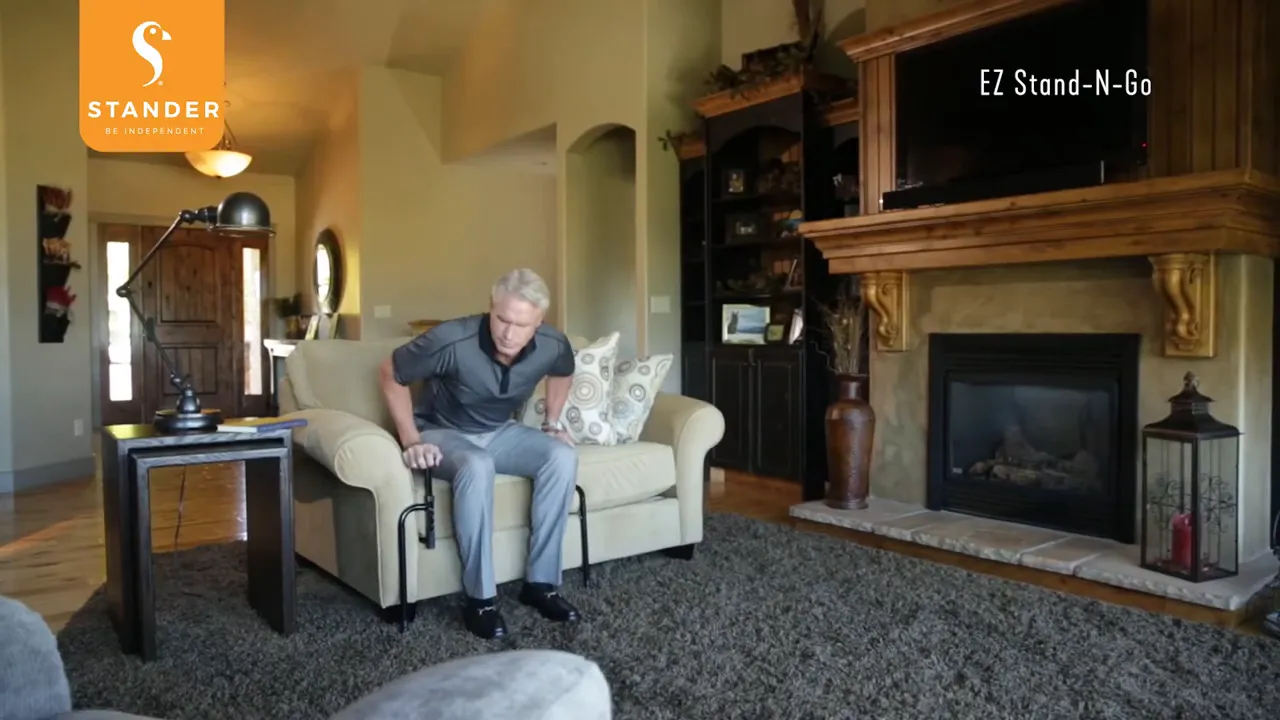
Living rooms often contain soft seating, rugs, side tables, and narrow walk paths. These can create problems when someone tries to rise from a chair or move across the room.
Assess whether:
- The person can stand up from seating without struggling
- Furniture placement supports safe walking
- There are tripping hazards in commonly used paths
- The room allows stable movement from one support point to another
On-the-go and movement throughout the home
Fall prevention is not limited to one room. It also involves the transitions between spaces and the ability to move safely during daily activities.
Consider how the person manages:
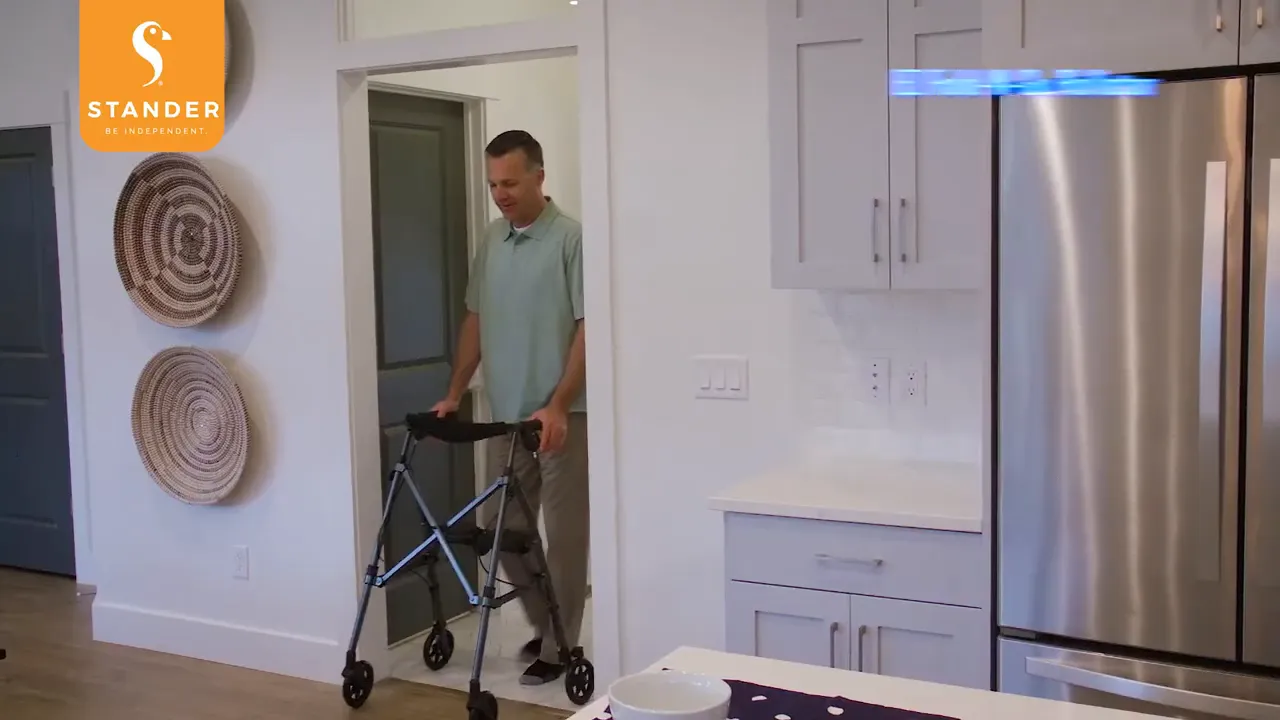
- Walking from room to room
- Navigating common areas like kitchens and hallways
- Using walking aids or support devices
- Reaching, turning, and transferring during routine tasks
A simple framework for assessing fall hazards
If you want a practical way to think through any room, use this three-part framework:
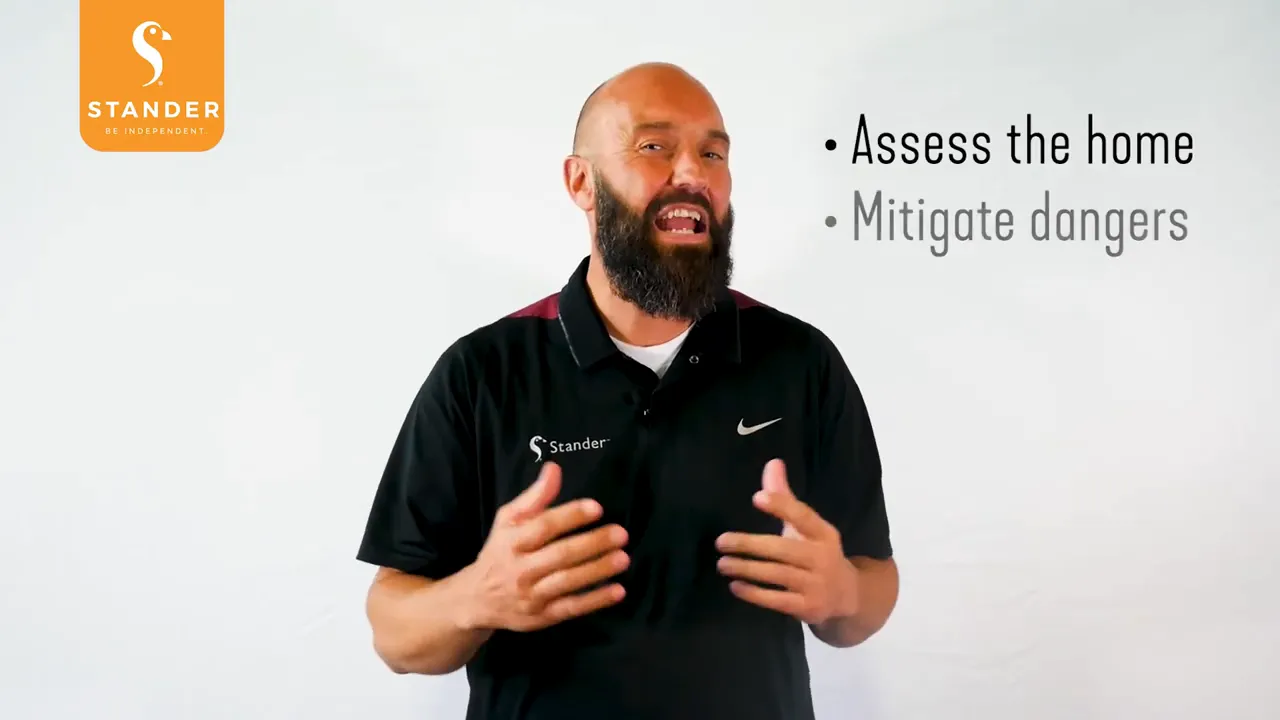
1. Assess the home
Look at the environment objectively. Ask what in the space could make walking, standing, sitting, or transferring harder.
2. Identify dangers
Pinpoint the exact hazard. Is the problem lack of support, poor layout, an unsafe transfer, or a repeated movement that feels unstable?
3. Create a plan
Decide what needs to change first. Focus on the solutions that best match the older adult’s mobility level and daily routines.
Common mistakes when trying to prevent elderly falls at home
Many households make the same avoidable mistakes when trying to improve safety.
Waiting until after a fall
One of the biggest problems is delaying prevention until someone is already injured. Early assessment is far more effective than reacting after an emergency.
Using a one-size-fits-all approach
Fall prevention should be tailored to the individual. A plan should fit the person’s needs, not just the room.
Focusing on one room only
A safer bathroom is important, but it does not solve risks in the bedroom, living room, or while moving through the home.
Overlooking routine transfers
Getting out of bed, standing from a chair, and moving with a walker are all high-risk moments that deserve close attention.
How to turn your checklist into a real safety plan
Once the evaluation is complete, organize your findings into clear next steps.
A practical plan should include:
- Priority hazards that need attention first
- Room-by-room notes on where support is needed
- Recommended solutions for bathroom, bedroom, living room, and mobility around the home
- Follow-up actions if expert help is needed
This approach makes it easier to move from observation to action instead of leaving the checklist unfinished.
When to get help from a medical equipment professional
Some situations call for extra support. If you are unsure how to address a transfer challenge, choose the right mobility aid, or adapt the home safely, a local medical equipment professional can help facilitate the process.
That is especially useful when:
- The person has already fallen
- Mobility has changed recently
- You are unsure which safety solutions fit the home
- The environment has several high-risk areas
Frequently asked questions about senior home safety
What is the purpose of a senior home safety checklist?
Its purpose is to identify fall hazards, answer safety questions about the home, and help create a plan tailored to an older adult’s needs.
Which rooms should be checked first?
Start with the bathroom, bedroom, and living room, then review the paths and transitions between rooms. These are common areas where mobility challenges show up.
Is a home safety assessment only for family caregivers?
No. It can be used by family members, neighbors, clients, professional caregivers, or older adults assessing their own living space.
Does one fall really increase future fall risk?
Yes. Research cited in the source material states that one fall can double the chances of falling again.
Key takeaway
A home safety evaluation checklist is one of the best starting points for preventing falls at home for seniors. It helps you assess the home, identify hazards in each room, and create a care plan that supports safety, independence, and peace of mind.
If you are caring for an aging loved one or preparing your own home for safer aging in place, begin with a structured room-by-room review and address risks before they lead to injury.