Dysphagia Symptoms in Older Adults: Warning Signs, Risks, and When to Get Help
Dysphagia Symptoms in Older Adults: Warning Signs, Risks, and When to Get Help

Photo by Osmar do Canto on Unsplash
Dysphagia is the medical term for difficulty swallowing. In older adults, it can be easy to miss at first because the signs may look like simple coughing during meals, throat clearing, or fatigue after eating. But swallowing problems can become serious, especially when food, liquid, or saliva enters the lungs.
If you are concerned about an older adult who coughs while eating, says food feels stuck, or seems congested after meals, these may be signs of dysphagia and possible aspiration.
What is dysphagia?
Dysphagia means a person has trouble moving food or liquid safely from the mouth down toward the stomach. The problem can happen at different points along the swallowing process.
It may involve:
- Trouble chewing
- Difficulty moving food down the throat safely
- Regurgitating swallowed food
- Persistent acid reflux
Because swallowing is something people do many times a day without thinking, even a mild problem can affect nutrition, hydration, comfort, and safety.
Why dysphagia is serious
The biggest concern with dysphagia is aspiration. Aspiration happens when food, drink, saliva, or vomit is accidentally inhaled into the lungs instead of going down the esophagus.
This matters because aspiration can lead to pneumonia. A lung infection caused by aspiration can be dangerous and, in some cases, life-threatening.
That is why swallowing problems should not be brushed off as a normal part of aging.
Who is most at risk for dysphagia and aspiration?
Some health conditions make swallowing problems more likely. Higher-risk groups include people with:
- Stroke
- Parkinson's disease
- Cancer
- Muscular dystrophies
- Advanced dementia
If an older adult has one of these conditions and is showing changes during meals, it is especially important to pay attention.
Common dysphagia symptoms in older adults
Swallowing problems can show up in several ways. Some signs happen during meals, while others appear shortly afterward.
Signs to look for while eating or drinking
- Coughing or wheezing
- A sensation that food is stuck in the throat
- Trouble trying to swallow
- Pain when swallowing
- Chest pain or discomfort
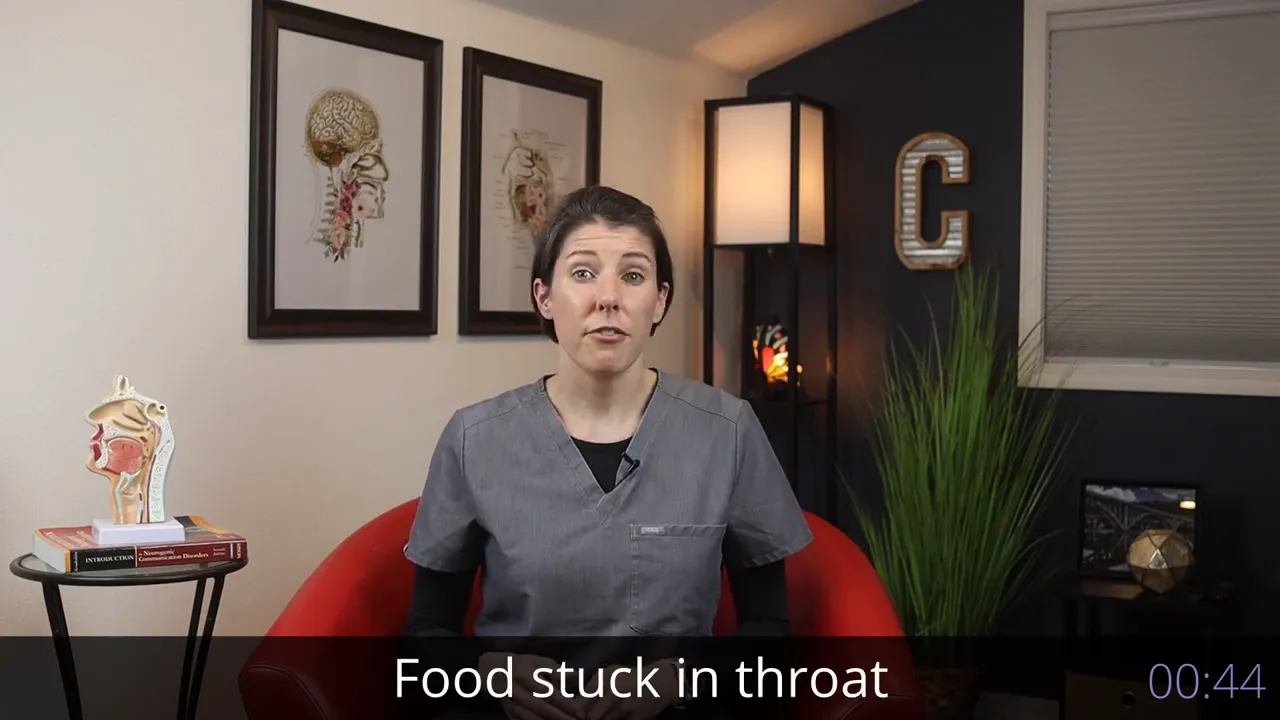
Signs that may show up after eating
- Fever shortly after meals
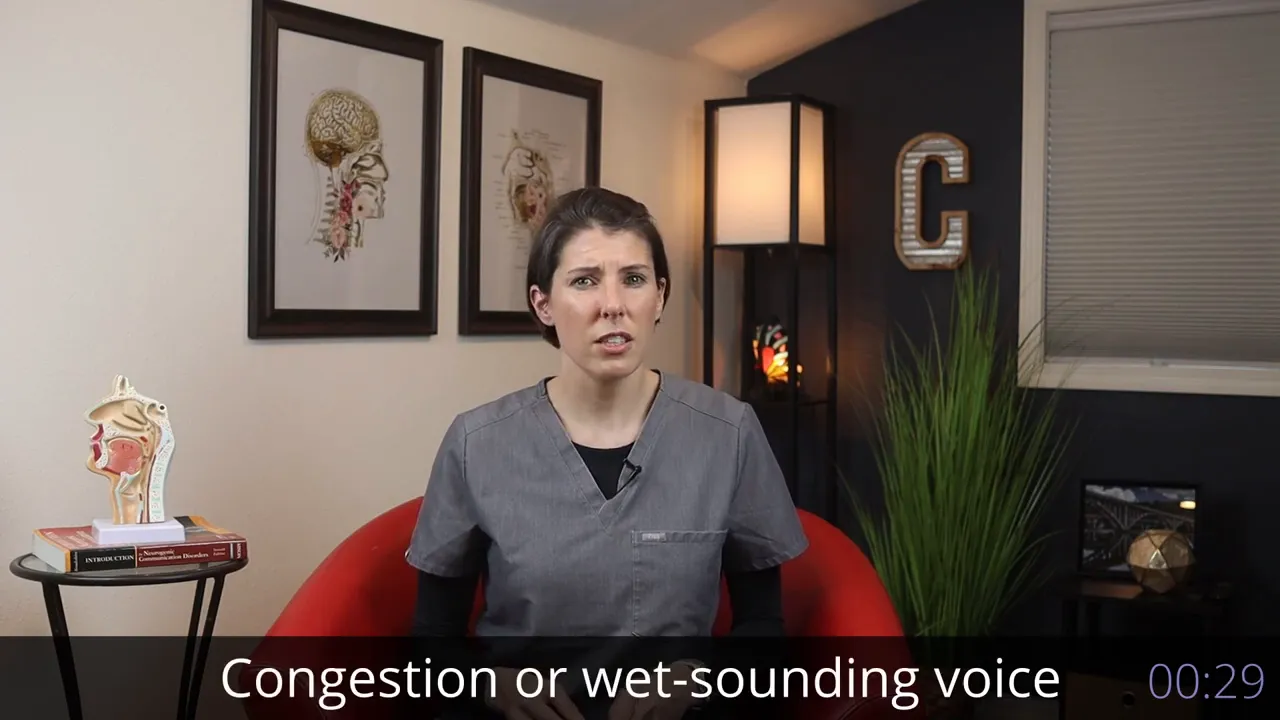
- Congestion
- A wet-sounding voice
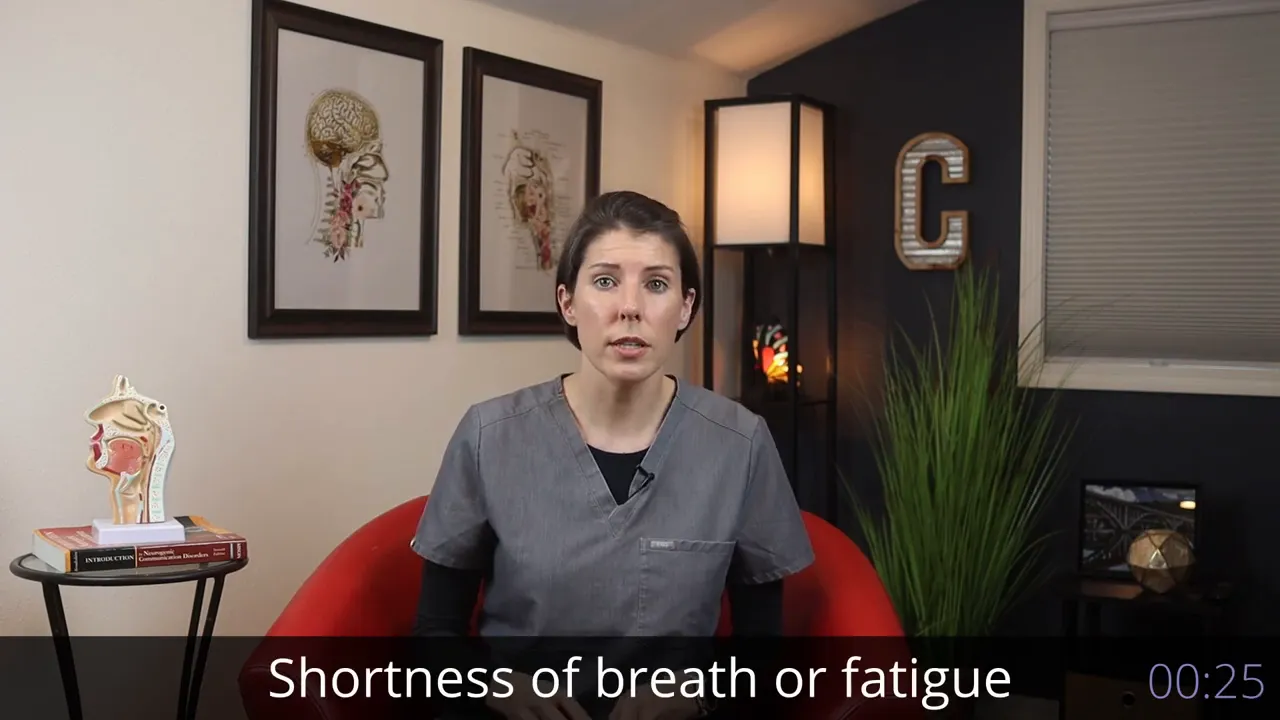
- Shortness of breath
- Fatigue
These symptoms do not always happen together. Even one recurring sign can be enough to justify a medical conversation.
What does a wet-sounding voice mean?
A wet or gurgly voice after eating or drinking can be a clue that material is not clearing properly during swallowing. It may suggest that food, liquid, or secretions are sitting where they should not be.
While it does not confirm aspiration by itself, it is one of the warning signs that should not be ignored, especially if it happens regularly.
Can someone aspirate without coughing?
Yes. Some people aspirate without obvious outward signs. This is called silent aspiration.
That means a person may not cough, choke, or show distress even though food or liquid is entering the lungs. This is one reason swallowing issues can be missed, particularly in older adults with neurological disease or advanced dementia.
If there are repeated chest symptoms, unexplained congestion after meals, or frequent swallowing difficulties, lack of coughing does not rule out a problem.
How to tell if symptoms may be related to swallowing
Ask these simple questions:
- Does coughing happen during meals or right after?
- Does the person say food feels stuck in the throat?
- Is there pain or discomfort with swallowing?
- Does the voice sound wet or congested after eating?
- Is there a fever soon after meals?
- Does the person seem unusually short of breath or tired after eating?
If the answer is yes to one or more of these, dysphagia should be considered.
When to call a doctor
You should contact a doctor or a speech therapist promptly if an older adult has signs of swallowing trouble, especially if symptoms are new, frequent, or getting worse.
Do not wait if there is:
- Repeated coughing or wheezing with meals
- Food seeming to stick in the throat
- Pain when swallowing
- Chest discomfort with eating
- Fever after meals
- Wet voice, congestion, shortness of breath, or unusual fatigue
These symptoms may signal aspiration risk and should be evaluated.
When symptoms may be an urgent concern
Swallowing difficulty can become urgent if breathing seems affected or if the person appears acutely ill. Chest pain, breathing trouble, or signs of infection deserve prompt medical attention.
If someone cannot breathe well, appears to be choking, or seems seriously unwell, seek emergency care.
Common mistakes people make with dysphagia symptoms
-
Assuming coughing at meals is normal
Frequent coughing while eating or drinking is not something to dismiss. -
Waiting for dramatic choking
Swallowing problems may appear as subtle congestion, throat discomfort, or fatigue. -
Ignoring symptoms because they come and go
Intermittent symptoms can still point to a meaningful swallowing problem. -
Thinking no cough means no aspiration
Silent aspiration can happen without obvious signs. -
Blaming everything on age
Difficulty swallowing is not simply a normal part of getting older.
Quick symptom checklist for caregivers and families
Use this checklist if you are concerned about an older adult:
- Coughing while eating or drinking
- Wheezing during meals
- Food feels stuck in the throat
- Trouble swallowing
- Pain with swallowing
- Chest pain or discomfort
- Fever after eating
- Congestion after meals
- Wet-sounding voice
- Shortness of breath
- Fatigue after eating
If you notice any of these symptoms, bring them to a medical professional's attention.
Frequently asked questions
Is dysphagia the same as choking?
No. Dysphagia means difficulty swallowing. Choking is one possible and more dramatic event, but many people with dysphagia do not fully choke. Their symptoms may be milder or more subtle.
Can acid reflux be part of dysphagia?
Yes. Persistent acid reflux can be associated with swallowing-related concerns and may appear alongside other dysphagia symptoms.
Can dementia increase swallowing risk?
Yes. Advanced stages of dementia are listed among the conditions associated with increased aspiration risk.
Who evaluates swallowing problems?
A doctor can help assess symptoms and decide on next steps. A speech therapist is also an appropriate professional to contact for swallowing concerns.
Key takeaway
Dysphagia in older adults is more than occasional trouble with food. Warning signs include coughing or wheezing during meals, food feeling stuck, painful swallowing, chest discomfort, fever after eating, congestion, wet voice, shortness of breath, and fatigue.
Because dysphagia can lead to aspiration and pneumonia, recurring symptoms should be taken seriously. If you notice these signs in yourself or someone you care for, contact a doctor or speech therapist as soon as possible.