Common Home Safety Hazards for Seniors and How to Prevent Falls at Home
Common Home Safety Hazards for Seniors and How to Prevent Falls at Home

Photo by Mike Newbry on Unsplash
Many older adults want to stay in their own homes as long as possible. The challenge is that everyday features of a home can become fall risks over time. Wet bathroom floors, loose rugs, poor lighting, cluttered walkways, and icy outdoor surfaces are all common hazards.
The good news is that many of these risks can be reduced with simple changes. A safer home supports independence, lowers the chance of injury, and makes daily routines easier.
Why home safety matters for older adults
As mobility, balance, and reaction time change with age, even familiar spaces can become harder to navigate safely. A small step over a bathtub edge, a slick floor transition, or a rug that slides can be enough to cause a serious fall.
Home safety is not only about major renovations. In many cases, it starts with noticing the trouble spots that are easiest to overlook.
Most common home safety hazards for seniors
1. Slippery bathrooms
The bathroom is one of the highest-risk areas in the home because water makes surfaces slippery. Tubs and showers can be especially difficult when there is a high tub edge to step over.
Key bathroom risks include:
- Wet floors
- Slippery tub or shower surfaces
- Bath mats that slide
- High bathtub lips that increase the chance of losing balance
2. Throw rugs without grip
Loose throw rugs are a common tripping and slipping hazard in bathrooms and throughout the house. If a rug shifts underfoot, it can quickly cause a fall.
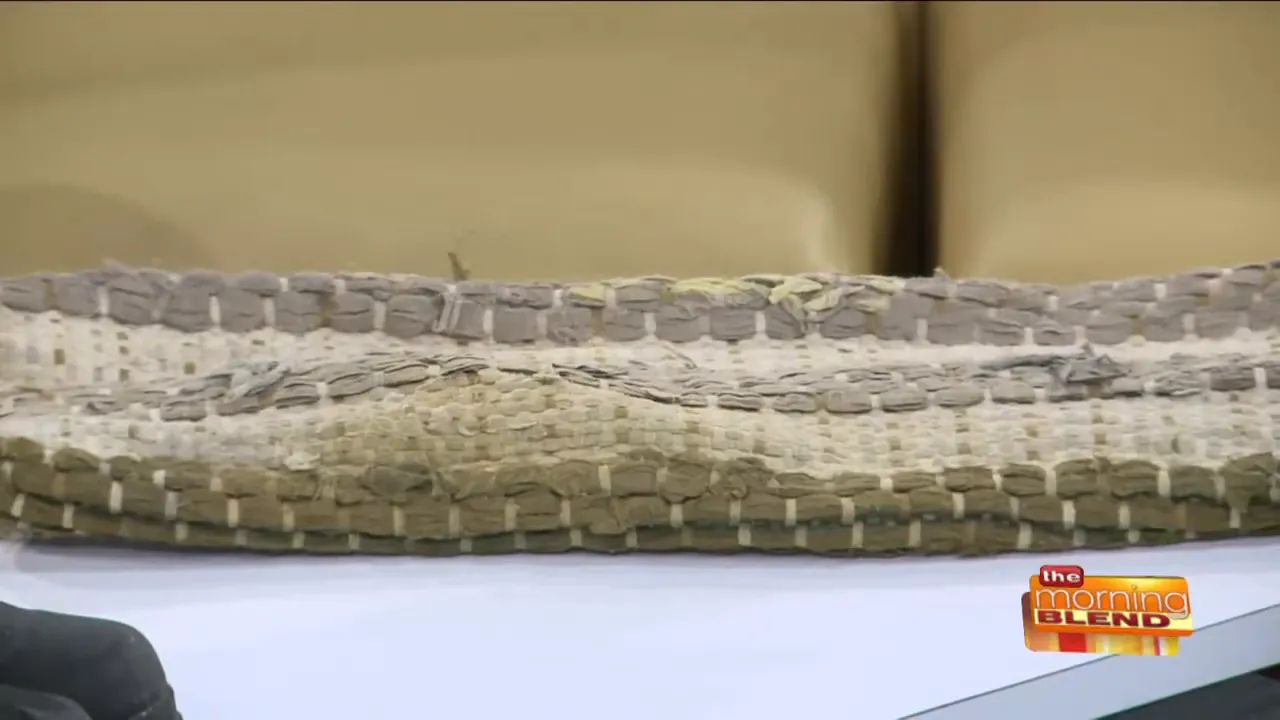
If rugs are used, they should have a backing that helps them stay in place on the floor.
3. Uneven flooring and room transitions
Changes in flooring can be tricky, especially when moving from carpet to linoleum or other smooth surfaces. Even when the height difference is minor, the shift in texture and traction can affect balance.
This is particularly important in bathrooms, entryways, and anywhere one flooring type changes to another.
4. Open cords and hallway clutter
Walkways should be easy to move through without stepping over objects. Electrical cords, piles of items, and clutter in hallways create unnecessary trip hazards.
Hallways are often used frequently and sometimes quickly, which makes clear paths especially important.
5. Poor lighting
Dim spaces make it harder to spot obstacles, rug edges, and changes in flooring. Good lighting helps reduce falls by making routes through the home easier to see.
Hallways, bathrooms, and transition areas deserve special attention.
6. Mobility aids or essentials out of reach
If a person uses a walker or cane, that equipment should be within easy reach before standing up or moving. The same is true for a phone, especially for someone with a higher fall risk.
Reaching too far or trying to walk unsupported for even a short distance can create danger.
7. Ice and snow outside the home
Outdoor areas can become hazardous in winter. Porches, decks, steps, and railings may all become slippery when covered in snow or ice.
Wooden surfaces such as decks can be especially slick when wet or frozen.
How to make a bathroom safer for seniors
The bathroom is often the first place to improve because it combines water, hard surfaces, and awkward movements.
Practical bathroom safety steps include:
- Use a non-slip mat inside the tub
- Choose a bath mat with non-slip backing outside the tub
- Be cautious around high tub edges
- Consider grab bars for additional support
- Keep the floor dry and clear
If rugs are used in the bathroom, avoid loose mats that can bunch up or slide as someone steps out of the tub.
Best flooring choices and flooring tips for fall prevention
Flooring affects traction and stability. Carpet may provide more grip than smoother surfaces, though the biggest issue is often the transition from one flooring type to another.
Helpful flooring tips:
- Be extra careful where carpet meets linoleum or another smooth floor
- Remove or secure small rugs
- Watch for uneven areas or curled edges
- Keep floors dry, especially near bathrooms and entrances
How to reduce fall hazards in hallways and living spaces
Safer daily movement often comes down to better organization.
Use this checklist:
- Keep hallways free of clutter
- Move cords out of walking paths
- Improve lighting in routes used every day
- Place often-used items where they are easy to reach
- Keep a phone nearby, especially for someone at risk of falling
- Make sure a walker or cane is within reach before walking
Outdoor home safety tips for seniors in winter
Cold weather increases fall risk outside the home. Snow and ice can collect on stairs, decks, porches, and walkways. Railings can also become icy and hard to grip safely.
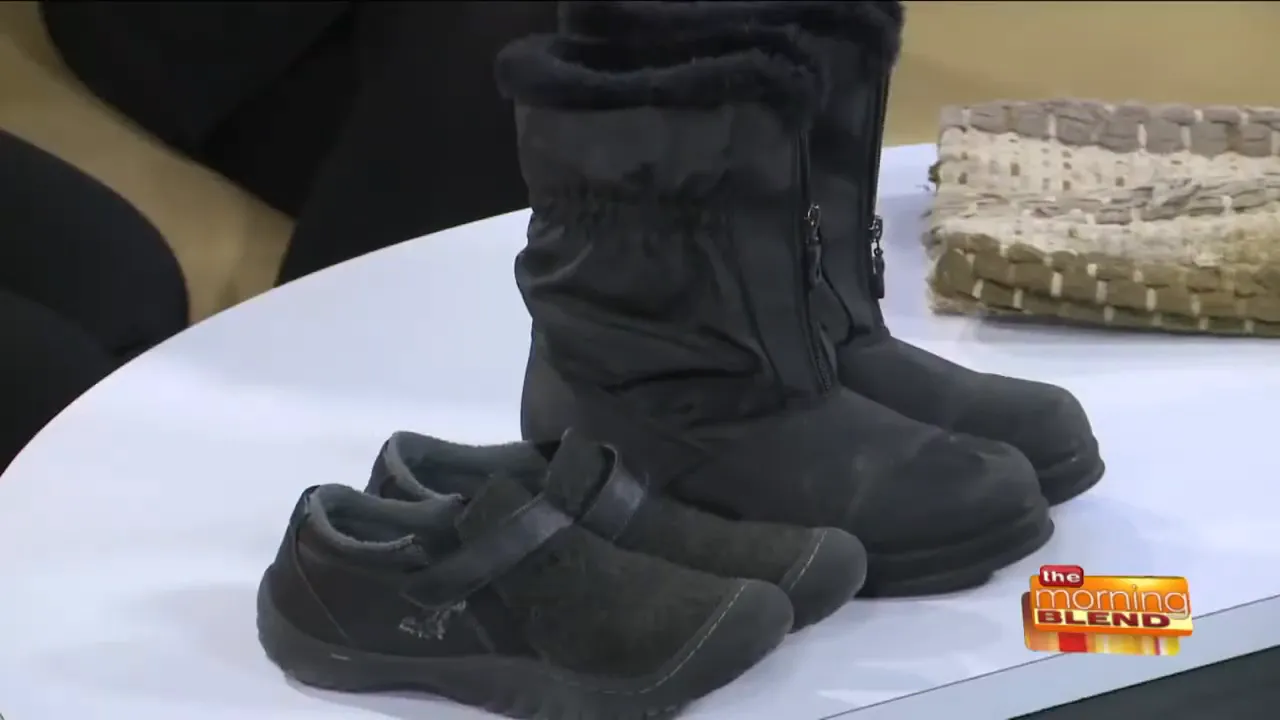
To make outdoor areas safer:
- Clear snow and ice from porches, decks, and walkways
- Salt slippery surfaces before going outside
- Wear rubber-soled boots or shoes for better traction
- Check that railings are usable and not coated in ice
When possible, family members or neighbors can help with snow removal and salting, especially for older adults who want to remain at home safely.
Simple fall-prevention checklist for aging in place
- Use non-slip mats in and outside the tub
- Replace loose throw rugs with rugs that have secure backing
- Clear clutter from hallways and walking paths
- Move cords away from areas where people walk
- Improve lighting in bathrooms, hallways, and transitions
- Be careful where flooring changes from carpet to smooth surfaces
- Keep a phone close by
- Keep walkers or canes within reach
- Remove snow and ice from outdoor surfaces
- Wear shoes or boots with rubber soles in winter
Common mistakes that increase fall risk
Some hazards remain in place because they seem minor. These are a few of the most common mistakes:
- Using decorative rugs that slide easily
- Leaving clutter in hallways or near room entrances
- Ignoring slippery bathroom surfaces
- Assuming railings are safe even when icy
- Walking without a cane or walker because it is not nearby
- Going outside before decks or walkways are cleared and salted
When extra in-home support may help
Sometimes home modifications are only part of the solution. Older adults who need more help may benefit from in-home personal care or skilled services that support daily living at home.
This kind of support can help someone stay in their home longer instead of moving to assisted living or a nursing home. It may also help families identify overlooked safety issues and create a more manageable routine.
Bottom line
The most common home safety hazards for seniors are often simple but serious: slippery bathrooms, loose rugs, uneven flooring transitions, cluttered walkways, poor lighting, and icy outdoor surfaces.
Small changes can make a meaningful difference. Start with the bathroom, walking paths, lighting, and winter safety. A home that is easier to move through is safer, more comfortable, and better suited for aging in place.