Best Blood Pressure for Older Adults: Safe Targets After 60
Best Blood Pressure for Older Adults: Safe Targets After 60

For adults over 60, the best blood pressure is not one universal number. A reading that is ideal for one person may be too aggressive for another. Age, symptoms, frailty, kidney function, medication burden, and overall independence all matter when choosing a safe target.
If you are asking, “What should my blood pressure be after 60?” the most useful answer is a personalized range, not a one-size-fits-all cutoff.
Why blood pressure goals are different in older adults
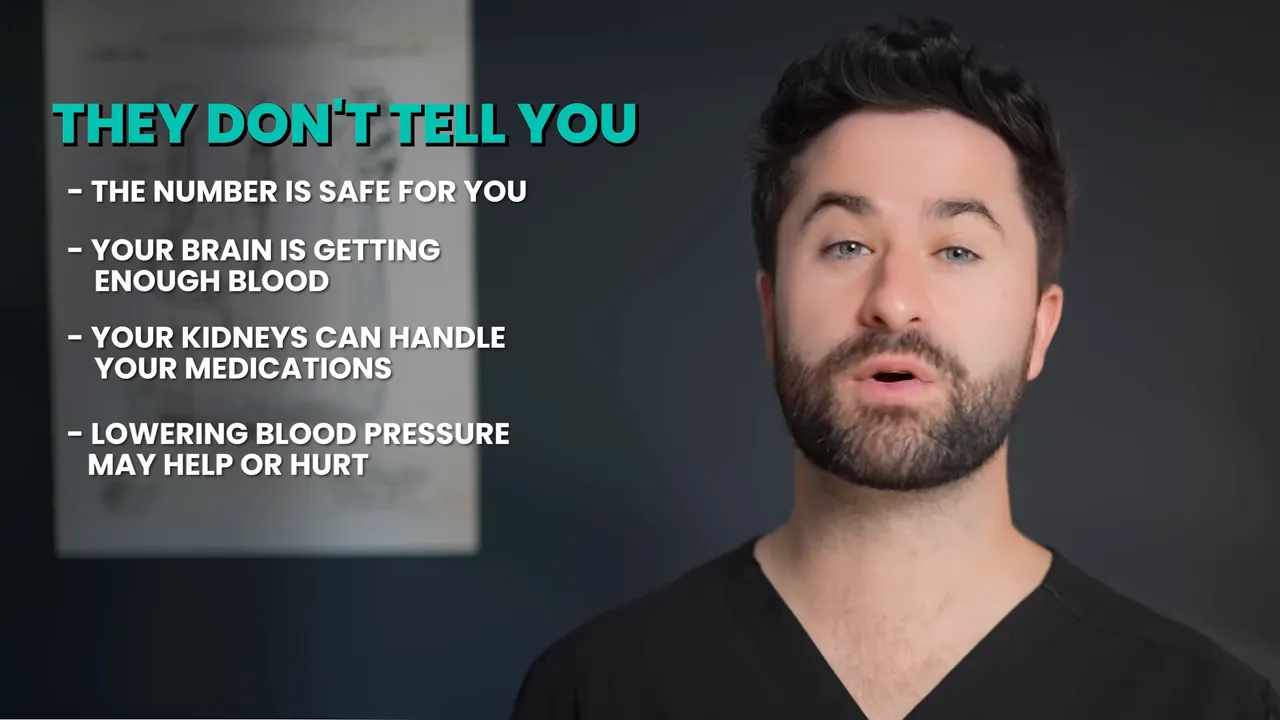
Blood pressure categories are useful for labeling readings, but they do not tell the whole story. In older adults, the real question is not just whether a number is high or low. The key question is whether that number is safe and well tolerated for your body.
Two people can have the exact same reading and have very different outcomes. One may feel fine and function well. Another may feel dizzy, foggy, weak, or close to fainting.
That difference can be shaped by factors such as:
- Artery stiffness
- Dizziness or lightheadedness
- Brain fog or fatigue
- Fall risk
- Number of medications
- Kidney function
- Cognitive health
- Activity level and independence
- How your body responds to treatment
Can lower blood pressure be better?
Sometimes, yes. Lower blood pressure can reduce the risk of heart attack, stroke, and cardiovascular death in some older adults. But lower is not always better if it causes side effects or raises the risk of falls, fainting, or kidney strain.
That is the main balance in blood pressure treatment after 60:
- Lower enough to protect the heart and brain
- Not so low that daily function and safety suffer
What major studies suggest about blood pressure targets after age 60
SPRINT trial
A major trial from 2015 compared two systolic blood pressure targets in adults over 50, with an average age of 68:
- Intensive target: less than 120 systolic
- Standard target: less than 140 systolic
The lower-target group had fewer heart attacks, strokes, and cardiovascular deaths. But that same group also had more problems with:
- Dizziness
- Passing out
- Electrolyte issues
- Kidney problems
- Falls
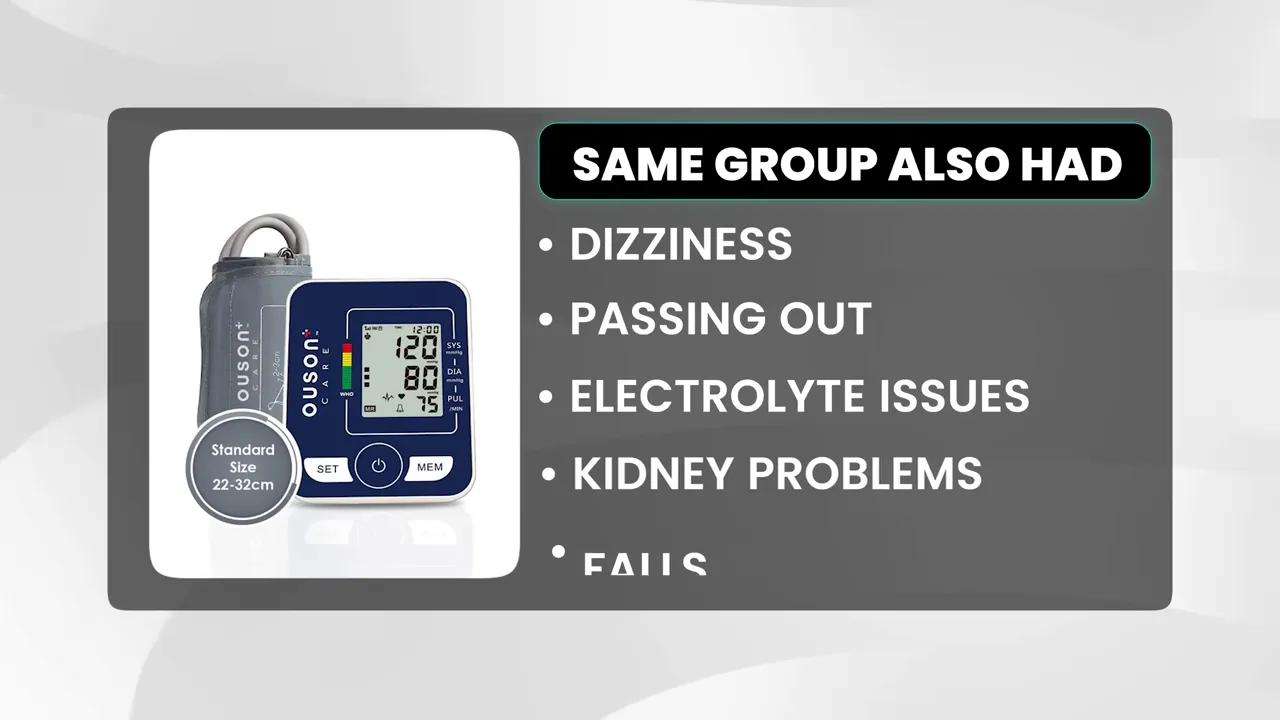
This means an intensive target may help some older adults, but it is not automatically the right goal for everyone.
Why SPRINT does not apply to every older adult
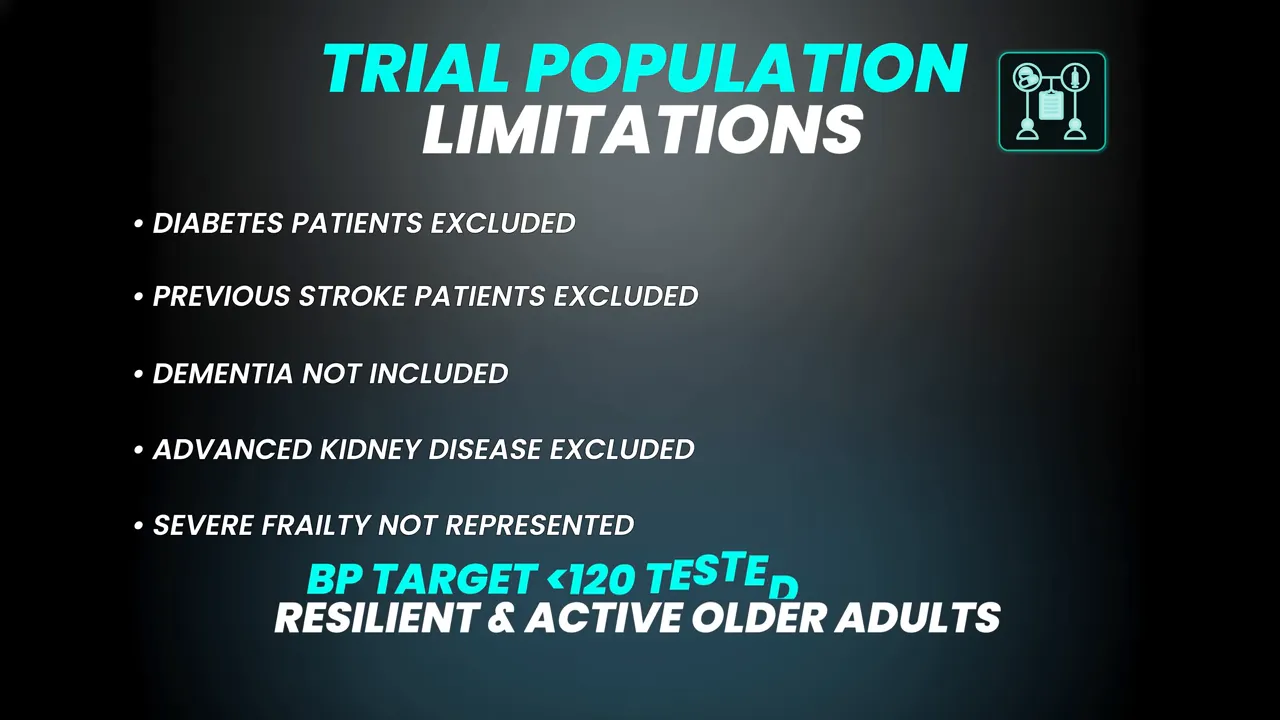
An important detail is that this study excluded many people commonly seen in real-world practice. It did not include older adults with:
- Diabetes
- Prior stroke
- Dementia
- Advanced kidney disease
- Severe frailty
So the under-120 target was mainly tested in stronger, more resilient, more active older adults, not every person over 60.
STEP trial
A 2021 trial in China looked at adults aged 60 to 80 and used a similar intensive-versus-standard approach. The lower blood pressure group again had fewer cardiovascular events such as heart problems, heart attacks, and strokes. It also had more side effects, including dizziness, kidney strain, and passing out.
Taken together, these studies support a simple conclusion: some older adults benefit from tighter blood pressure control, but only if they tolerate it well.
Who may benefit from a lower blood pressure target?
A lower systolic target, sometimes near or below 120, may be reasonable for an older adult who is:
- Age 60 or older
- Walking regularly or physically active
- Highly independent
- Cognitively doing well
- Not dealing with significant kidney problems
- Not taking many medications
- Free of side effects from treatment
In this type of person, more intensive blood pressure control may offer added cardiovascular protection.
Who may need a less aggressive target?
Chasing a very low blood pressure can be risky if an older adult has more medical complexity. A higher target may be safer if you have:
- Multiple chronic conditions
- Four or more medications
- Reduced kidney function
- Dizziness
- A history of falls or unsteadiness
- Frailty
In these situations, the goal is often to reduce blood pressure enough to lower risk, while avoiding treatment that makes day-to-day health worse.
Personalized blood pressure targets after 60
A practical framework for many older adults looks like this:
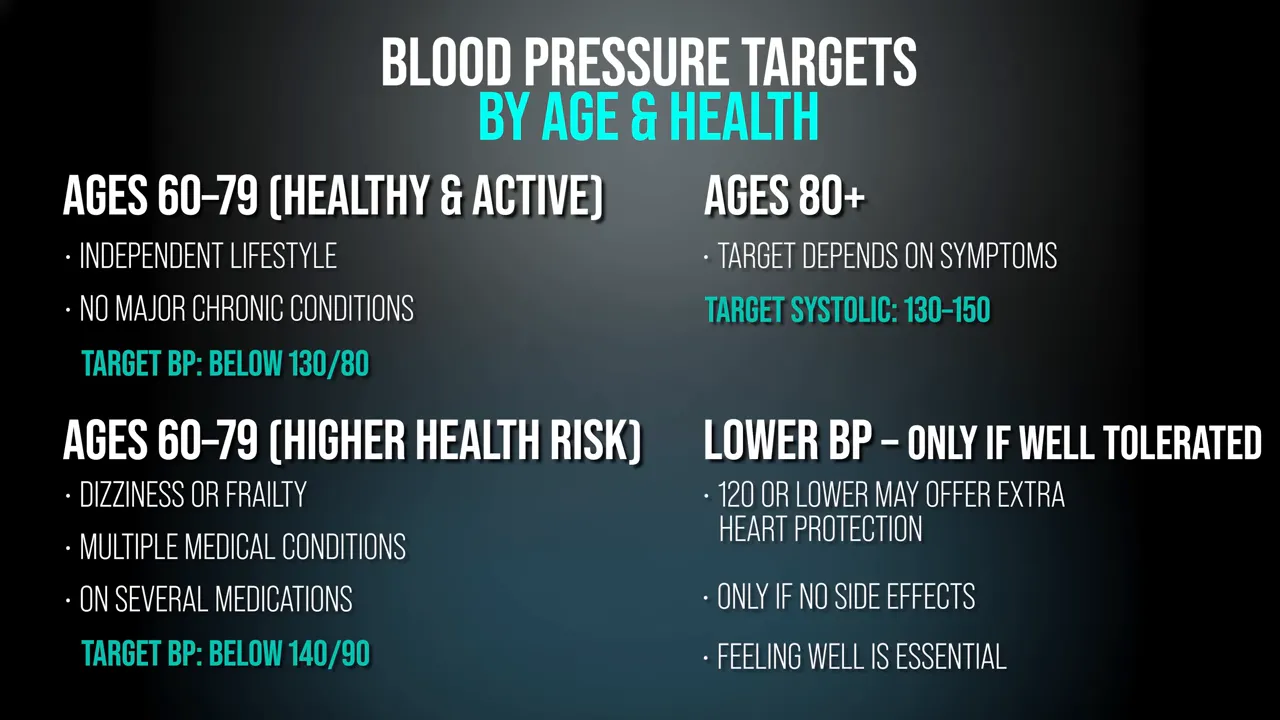
- Age 60 to 79, active and independent, without major chronic issues: aim for less than 130/80
- Age 60 to 79, with dizziness, frailty, multiple conditions, or multiple medications: aim for less than 140/90
- Age 80 and older: aim for about 130 to 150 systolic, depending on symptoms and tolerance
If someone can tolerate a systolic pressure near 120 or lower without side effects, there may be extra heart and stroke protection. But tolerance is essential.
How do you know if your blood pressure target is too low?
Numbers alone are not enough. Your body often gives warning signs when blood pressure has been pushed lower than it can comfortably handle.
Signs that your blood pressure may be too low include:
- Severe lightheadedness when standing
- Dizziness in the morning
- Brain fog
- Fatigue
- Feeling unsteady
- Cramps or electrolyte problems
- Regular systolic readings below 100
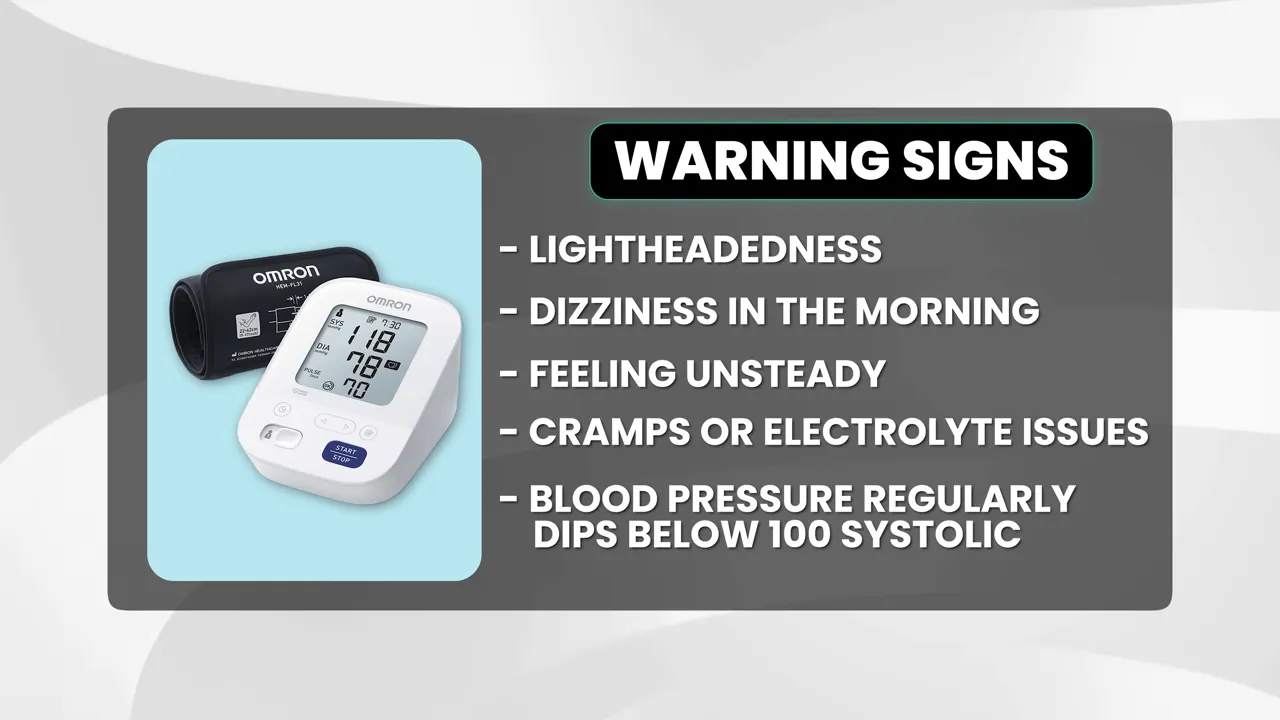
If these symptoms are happening, the issue may not be uncontrolled hypertension. The issue may be that treatment is too aggressive for your physiology.
Why symptoms matter as much as the reading
Blood pressure management in older adults is not just about hitting a target. It is about preserving:
- Clear thinking
- Balance and mobility
- Kidney health
- Daily energy
- Overall safety
A “perfect” reading is not truly ideal if it leaves you weak, confused, or at risk of falling.
Common mistakes older adults make with blood pressure goals
1. Assuming everyone should get below 120
That target may help selected adults, but it is not universally safe or necessary.
2. Treating the number instead of the person
Symptoms, frailty, medication burden, and kidney function matter just as much as the cuff reading.
3. Ignoring dizziness and fatigue
These can be clues that blood pressure is too low for your body.
4. Applying study results too broadly
Important blood pressure trials excluded several high-risk groups, so their findings do not automatically fit every older adult.
5. Focusing only on office readings
Long-term management depends on getting accurate home readings too. If home measurements are done poorly, treatment decisions can be off target.
Frequently asked questions
Is 140/90 normal for an older person?
It may be an acceptable target for some adults ages 60 to 79 who have frailty, dizziness, multiple medical problems, or many medications. It is not automatically ideal for every older adult.
Is 120/80 the best blood pressure after 60?
Not always. For some healthy, active, independent older adults, it may be well tolerated and beneficial. For others, it may be too low and lead to dizziness, fatigue, or falls.
What is a good systolic blood pressure for someone over 80?
A common target range is roughly 130 to 150 systolic, adjusted based on symptoms and tolerance.
When is blood pressure too low in older adults?
If systolic pressure regularly drops below 100, or if you feel lightheaded, unsteady, foggy, or faint, the reading may be too low for you.
Does feeling fine matter?
Yes. Tolerance matters. A lower target is only useful if it does not cause side effects or reduce safety.
How to think about your ideal target
A useful way to frame your goal is:
- Healthier and more active older adult: often closer to less than 130/80
- More fragile or medically complex older adult: often closer to less than 140/90
- Age 80 plus: often 130 to 150 systolic, guided by symptoms
The best target is the one that lowers long-term cardiovascular risk without causing dizziness, falls, kidney problems, or loss of function.
Takeaway
The best blood pressure for older adults is personal. Lower targets can help some people, especially active and independent adults who tolerate treatment well. But pushing too low can be harmful in those with frailty, kidney issues, multiple medications, or symptoms like dizziness and fatigue.
The safest approach is to match the target to the person, not just the chart. For many adults over 60, the most practical starting goals are:
- Under 130/80 if healthy and active
- Under 140/90 if more medically complex or symptomatic
- 130 to 150 systolic if age 80 or older, depending on tolerance
If your numbers look good but you do not feel good, the target may need rethinking.