Bathroom Safety for Seniors: 7 Simple Ways to Prevent Falls
Bathroom Safety for Seniors: 7 Simple Ways to Prevent Falls and Injuries

Photo by Point3D Commercial Imaging Ltd. on Unsplash
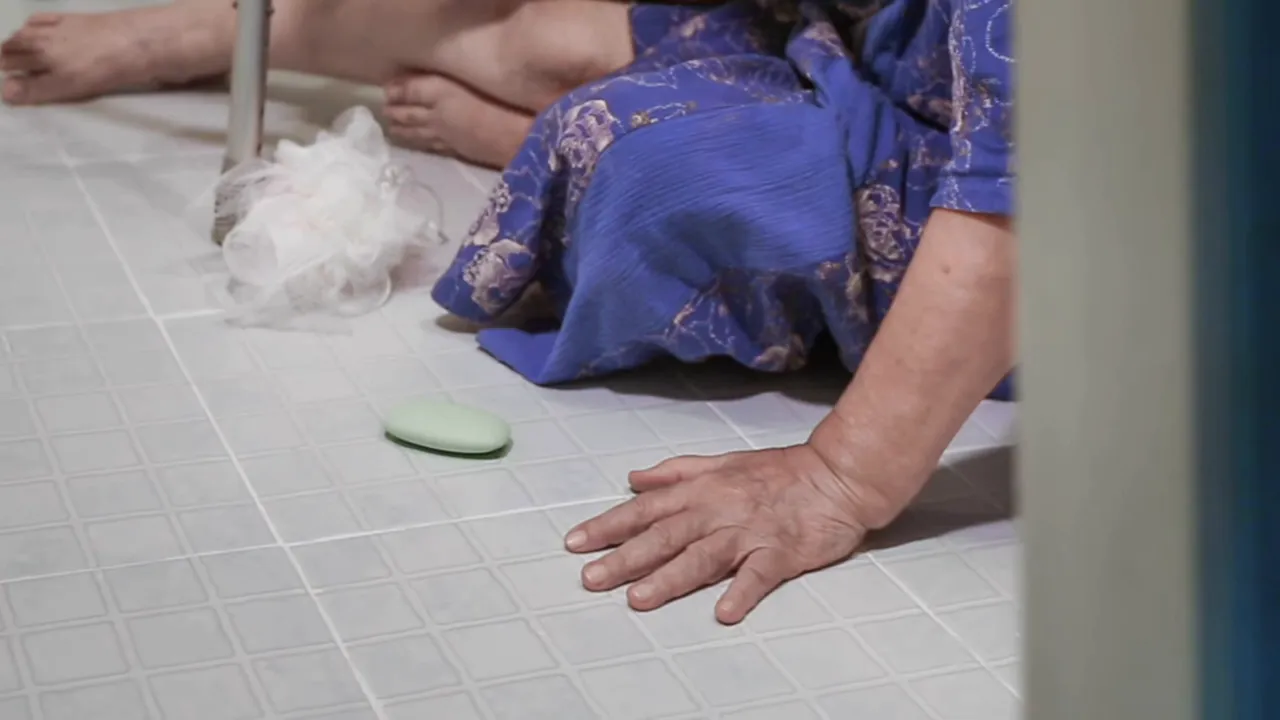
The bathroom is one of the highest-risk areas in the home for older adults. Wet floors, hard surfaces, low seating, and tub walls all increase the chance of slips, falls, overexertion, and burns.
According to the CDC data referenced here, more than 230,000 people are injured in the bathroom each year, and adults age 65 and older have the highest injury and fracture rates and are hospitalized most often. That makes bathroom safety a priority for anyone caring for an aging parent, spouse, or family member.
These seven upgrades and habits can make a bathroom much safer without requiring a full remodel.
Why the bathroom is so dangerous for seniors
Bathroom injuries are not limited to slipping in the shower. Common trouble spots include:
- Getting on and off the toilet
- Stepping in and out of the tub or shower
- Walking on wet tile
- Reaching for toiletries or towels
- Moving around at night in low light
- Exposure to overly hot water
For many older adults, balance, strength, reaction time, and skin sensitivity change with age. Small hazards that once seemed minor can become serious risks.
1. Install grab bars in the right places
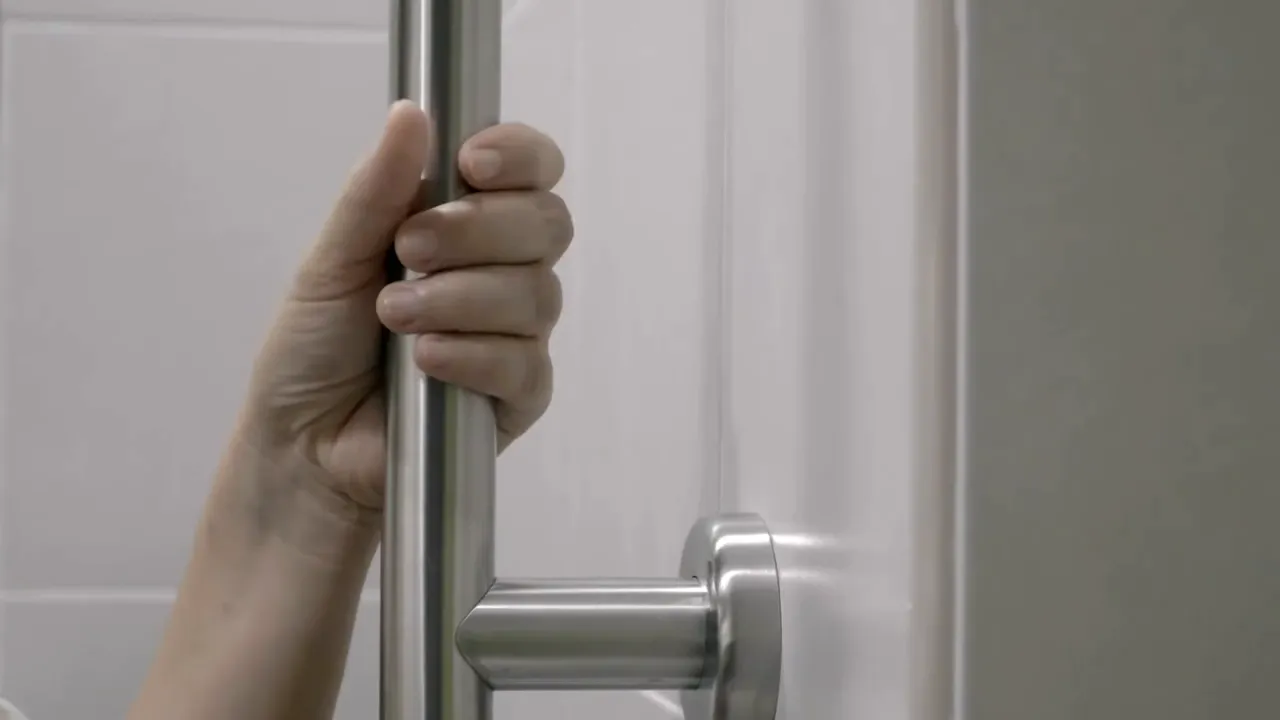
Grab bars are one of the most important bathroom safety tools for seniors. They help in two ways:
- They provide stable support during transfers, such as sitting down on the toilet or stepping into the tub.
- They offer something to hold if balance is lost, which may help prevent a full fall.
Priority locations include:
- Inside the shower or tub
- At the tub or shower entrance
- Near the toilet
A grab bar should be secure and easy to reach. This is not the place for decorative towel bars or anything not designed to bear weight.
2. Add non-slip surfaces where water collects
Slippery surfaces are a major cause of bathroom falls. A safer setup includes traction both inside and outside the bathing area.
Useful changes include:
- Non-slip surfaces in the tub or shower
- Non-slip decals on tile flooring
- Removing scatter rugs that can slide or bunch up
Tile can be just as dangerous as the tub when wet. If a rug is used at all, it should not create a slip or trip hazard. The safest option mentioned here is to remove loose scatter rugs altogether.
3. Keep everyday items within easy reach
Accessibility matters because reaching, twisting, or stretching in a wet environment can quickly lead to loss of balance.
Arrange the bathroom so the person using it can access bathing essentials without leaning or stepping awkwardly. Focus especially on the tub or shower area.
Items that should be easy to reach include:
- Soap
- Shampoo
- Conditioner
- Towels
- Other regularly used bathing supplies
If someone has to bend down to the tub floor or reach across a slippery surface, the setup needs improvement.
4. Remove obstacles and reduce tripping hazards
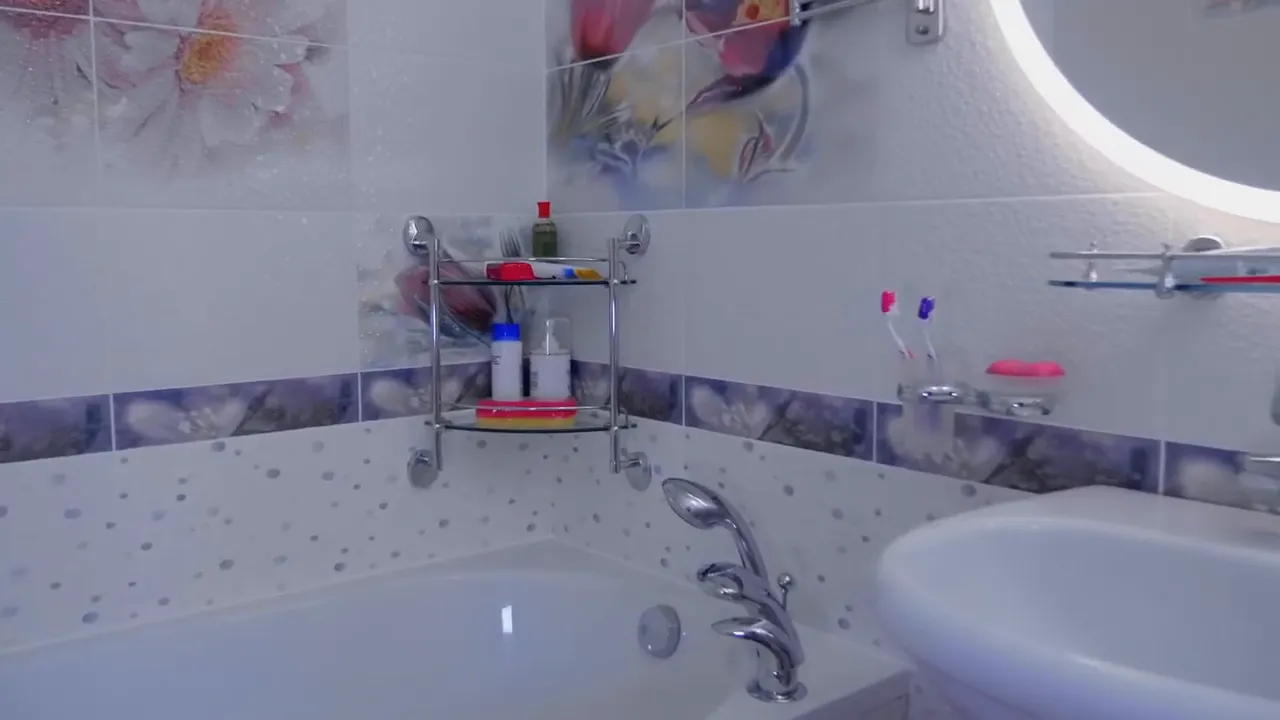
Anything that can be stepped on, tripped over, or caught by a foot should be addressed. In many bathrooms, the largest single obstacle is the tub wall itself.
Important hazards to remove or reduce include:
- Loose rugs
- Clutter on the floor
- Awkward pathways
- High tub edges
One of the biggest risks for older adults is tripping over the side of the bathtub. A walk-in shower or walk-in bathtub can make entry and exit safer by reducing the need to step over a high barrier.
5. Reduce overexertion with supportive equipment
Falls are a major concern, but they are not the only one. Overexertion is also a common cause of bathroom injuries.
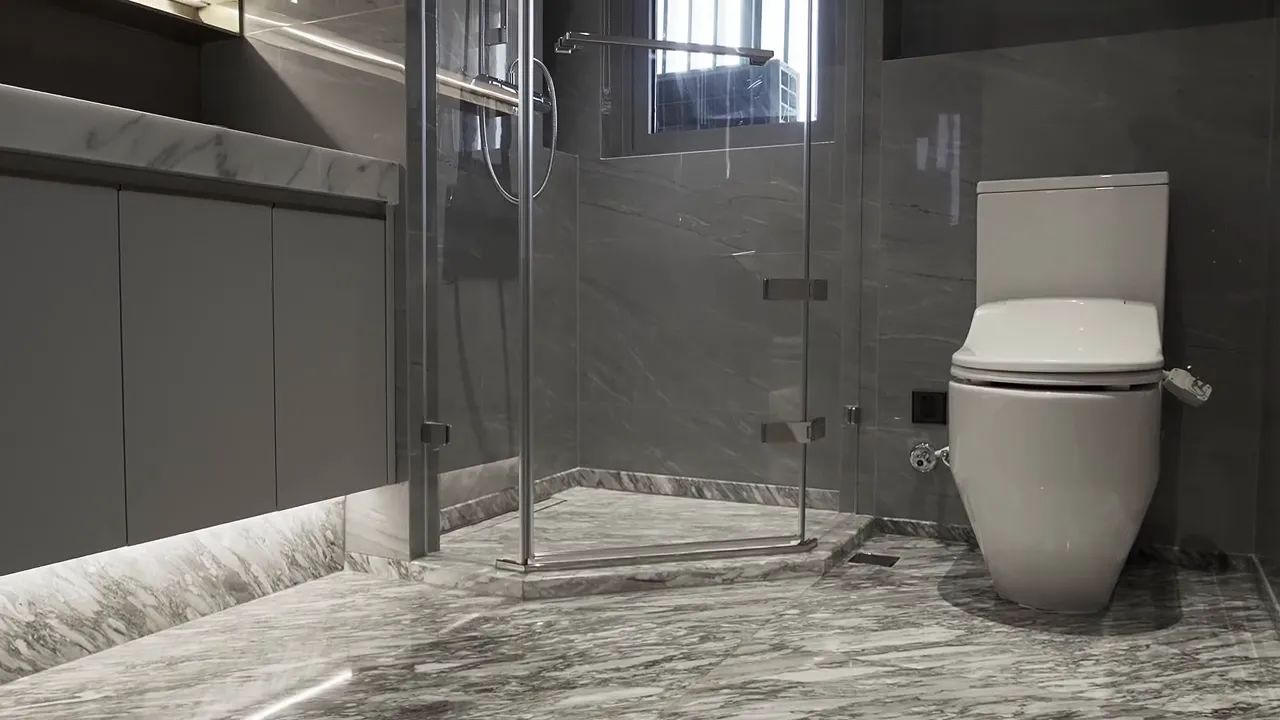
If standing for bathing or lowering onto a standard toilet is difficult, supportive equipment can help conserve strength and improve control.
Two examples specifically recommended here are:
- A secure bathing seat for showering
- A raised toilet seat to make sitting and standing easier
These changes can help older adults avoid straining, rushing, or losing balance while tired.
6. Improve visibility, especially at night
Many seniors need to use the bathroom during the night. Low light makes falls more likely, especially when moving from the bedroom to the bathroom while sleepy or unsteady.
A simple fix is to install nightlights that illuminate the path to the bathroom. Good nighttime visibility can make walking safer and reduce the chance of bumping into walls, door frames, or furniture.
Helpful places for extra light include:
- The bedroom-to-bathroom walkway
- The bathroom entrance
- Areas near the toilet
7. Prevent hot water burns
Older adults are at higher risk of hot water burns because aging skin is often thinner and more delicate, and it may take longer to detect dangerously high temperatures.
Two practical precautions are highlighted here:
- Label bathroom taps clearly
- Keep hot water at a maximum of 120 degrees Fahrenheit
If a senior has reduced sensation, slower reflexes, or memory issues, this step becomes even more important.

Bathroom safety checklist for seniors
Use this quick checklist to assess a bathroom:
- Grab bars installed near the toilet and in the bathing area
- Non-slip protection in the tub or shower
- No loose scatter rugs
- Soap, shampoo, towels, and essentials within reach
- Floor clear of clutter and obstacles
- Consideration given to a walk-in shower or walk-in tub if the tub edge is a problem
- Bathing seat available if standing is tiring or unsafe
- Raised toilet seat if sitting and standing are difficult
- Nightlights along the route to the bathroom
- Hot water no higher than 120 degrees Fahrenheit
- Hot and cold taps clearly labeled
Common bathroom safety mistakes
Some safety efforts miss the real problem or leave major risks in place. Watch for these common mistakes:
- Keeping loose rugs because they seem soft or absorbent
- Relying on reaching or balancing instead of reorganizing supplies
- Ignoring toilet safety and focusing only on the shower
- Leaving nighttime pathways dark
- Overlooking water temperature as a burn risk
A bathroom can look clean and modern and still be unsafe for an older adult.
When additional help may be needed
Even with home modifications, some seniors are still at high risk in the bathroom. Having someone nearby can further reduce the chance of injury.
This may be especially helpful when a person has:
- Frequent falls or near-falls
- Weakness or poor balance
- Difficulty transferring in and out of the tub or onto the toilet
- Memory problems
- A need for supervision during bathing
Support can come from a relative, friend, or professional caregiver. The key point is simple: bathroom safety improves when a vulnerable older adult is not left to manage high-risk tasks entirely alone.
Final takeaway
If you need to make a senior's home safer quickly, start with the bathroom. The most effective changes are often straightforward: install grab bars, improve traction, reduce obstacles, keep essentials within reach, support transfers, add night lighting, and control water temperature.
These steps can lower the risk of falls, injuries, overexertion, and burns, while also making daily routines more comfortable and manageable.