3 Essential Dementia Caregiver Tips for Safer Daily Care
3 Essential Dementia Caregiver Tips for Safer Daily Care

Photo by Age Cymru on Unsplash
Caring for someone with dementia often means managing changing behaviors, multiple medications, and a growing list of daily responsibilities. A few core habits can make care safer, reduce avoidable crises, and help caregivers protect their own well-being.
The most practical starting points are simple: stay in close contact with the medical team, keep a complete medication list, and get support for yourself as a caregiver. These three steps help catch problems early and make day-to-day dementia care more manageable.
Why these dementia caregiver tips matter
Dementia symptoms do not stay exactly the same over time. Small shifts in behavior, mood, sleep, or confusion can signal a medical issue, a medication side effect, or a growing care need. When those changes are noticed early, there is a better chance to address them before they turn into emergencies.
Caregivers also face a second challenge: they are often the person who notices patterns first. That makes organization and communication especially important.
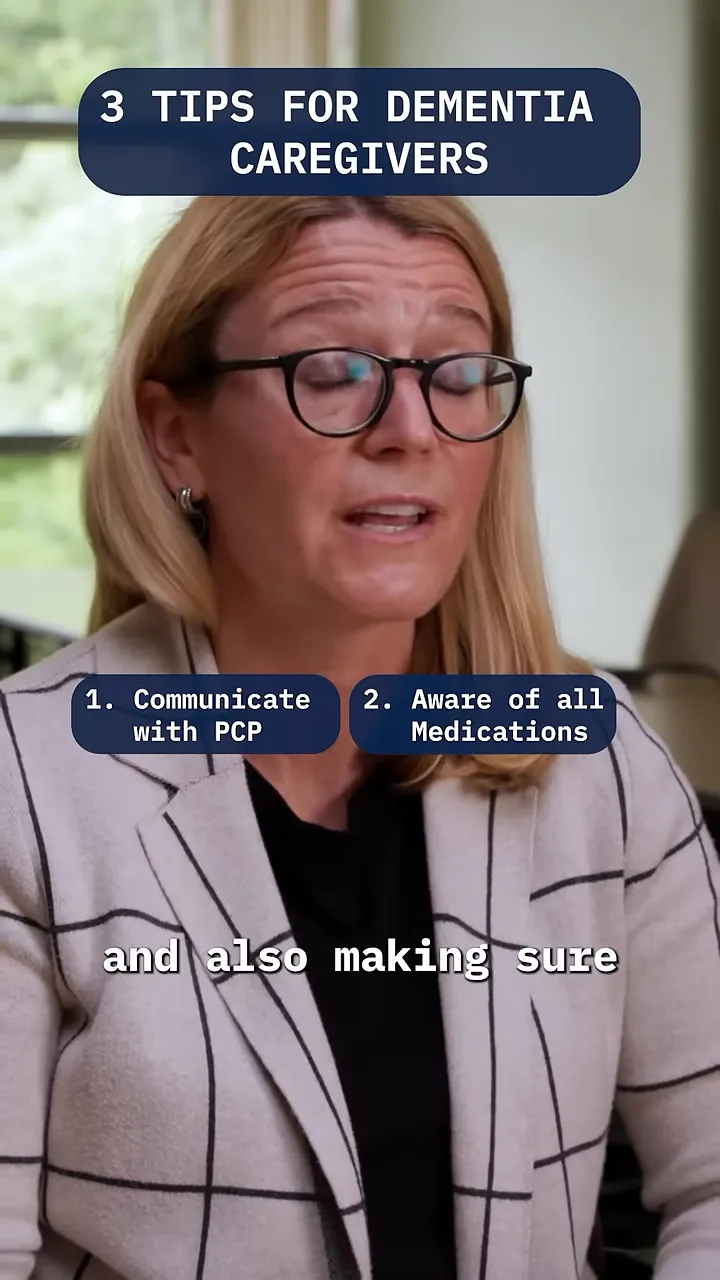
1. Stay in regular contact with the primary care provider or dementia specialist
One of the most valuable things a caregiver can do is maintain good communication with the person’s primary care provider or dementia care specialist. This is not only for major events. It is also about sharing small changes early.
What kinds of changes should be reported?
Look for subtle shifts such as:
- New agitation or irritability
- More confusion than usual
- Changes in sleep or daily routine
- New resistance to care
- Noticeable behavior changes that were not present before
Small changes can become bigger problems if they are ignored. Early communication gives the medical team a chance to evaluate what is going on and help prevent a situation that later requires emergency care.
How to make communication easier
- Keep notes on when a behavior started and how often it happens.
- Be specific instead of saying someone is “doing worse.” Describe the exact change.
- Share concerns promptly rather than waiting until several problems pile up.
- Bring updates to appointments so the provider sees the full pattern over time.
This kind of communication is especially helpful because behavior changes in dementia are not always caused by dementia alone. They may reflect another issue that needs attention.
2. Keep track of every medication, including over-the-counter drugs
Medication awareness is another key part of dementia caregiving. It is important to know all of the medications the person is taking, not just prescription drugs.
That includes:
- Prescription medications
- Over-the-counter medications
- As-needed medicines
- Anything taken regularly that could affect symptoms or behavior
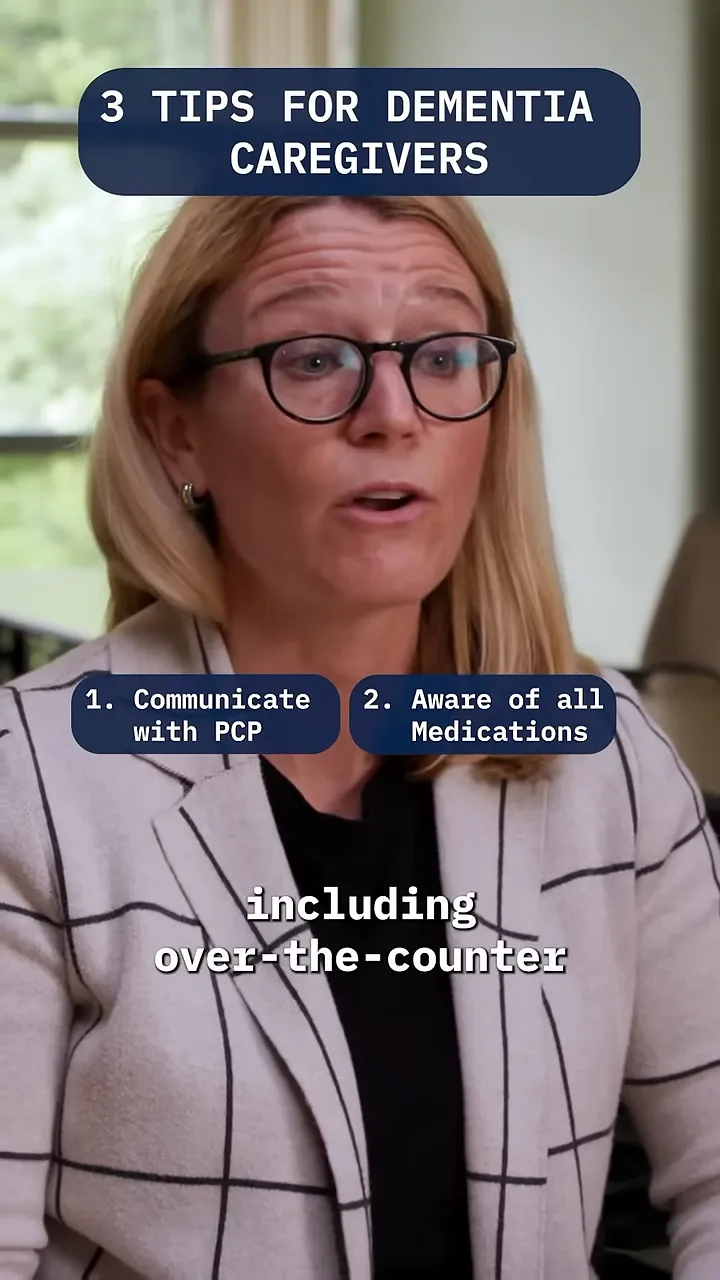
Why over-the-counter medications matter in dementia care
Some medications can have negative effects and may worsen behaviors. If a caregiver or clinician does not know the full medication picture, it is easier to miss a possible cause of new symptoms.
When behavior suddenly changes, a complete medication review can be an important part of figuring out why.
A practical medication checklist for caregivers
- Keep one up-to-date list of every medication being taken.
- Include over-the-counter products, not just prescriptions.
- Bring the list to medical visits.
- Update it whenever something is started, stopped, or changed.
- Review the list with the care team when new behaviors appear.
This habit can improve safety and help clinicians identify whether a drug could be contributing to confusion or behavioral symptoms.
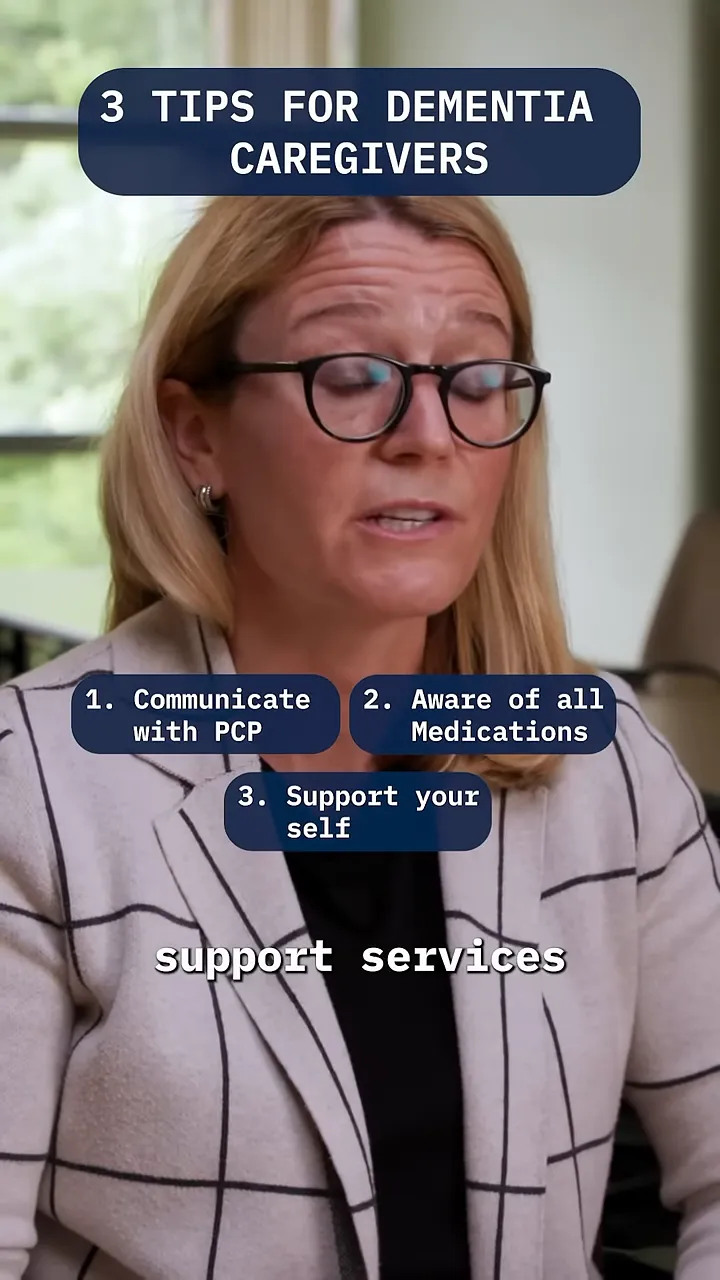
3. Support yourself as a caregiver
Dementia caregiving is demanding, and trying to manage it alone can quickly become overwhelming. Supporting yourself is not optional. It is part of providing better care.
Caregivers should reach out to community support services and use available help. The goal is not to do everything alone. The goal is to build a support system that makes caregiving sustainable.
What support can look like
Support services vary by location, but the key idea is to connect with outside help when needed. That may include community-based resources, care support programs, or other assistance that reduces the burden on one person.
Even when a caregiver feels capable, outside support can provide structure, relief, and a backup plan when needs increase.
Signs a caregiver may need more support
- Constant stress or exhaustion
- Difficulty keeping up with appointments or medications
- Feeling isolated
- Trouble handling new behaviors at home
- A sense that everything depends on one person
Getting help earlier is usually easier than waiting until the situation becomes unmanageable.
Common dementia caregiving mistakes to avoid
- Waiting too long to mention behavior changes. Small changes can be important.
- Focusing only on prescription medicines. Over-the-counter medications matter too.
- Assuming new behaviors are just part of dementia. They may need medical attention.
- Trying to handle everything alone. Support services exist for a reason.
- Keeping medication information scattered. A single updated list is far more useful.
Frequently asked questions about dementia caregiving
When should a caregiver call the doctor about dementia symptoms?
Contact the primary care provider or dementia specialist when there are small but noticeable changes in behavior, confusion, or functioning. Early communication can help address problems before they become emergencies.
Do over-the-counter medications affect dementia symptoms?
They can. Some over-the-counter medications may have negative effects and can sometimes increase behaviors, which is why caregivers should track them along with prescription drugs.
Why is caregiver support so important in dementia care?
Dementia care can be physically and emotionally demanding. Reaching out to community support services helps reduce strain and reminds caregivers that they do not have to manage everything alone.
A simple action plan for caregivers
- Create a behavior log for any new or changing symptoms.
- Update a full medication list that includes over-the-counter products.
- Share changes early with the primary care provider or dementia specialist.
- Identify one support resource in the community before a crisis happens.
Key takeaway
The most effective dementia caregiver tips are often the most practical. Communicate early with the medical team, know every medication being taken, and make caregiver support part of the care plan. These steps can help reduce behavioral problems, improve safety, and make dementia care more manageable over time.